

Primark Signs Long Term Circ Deal to Scale Textile-to-Textile Recycling
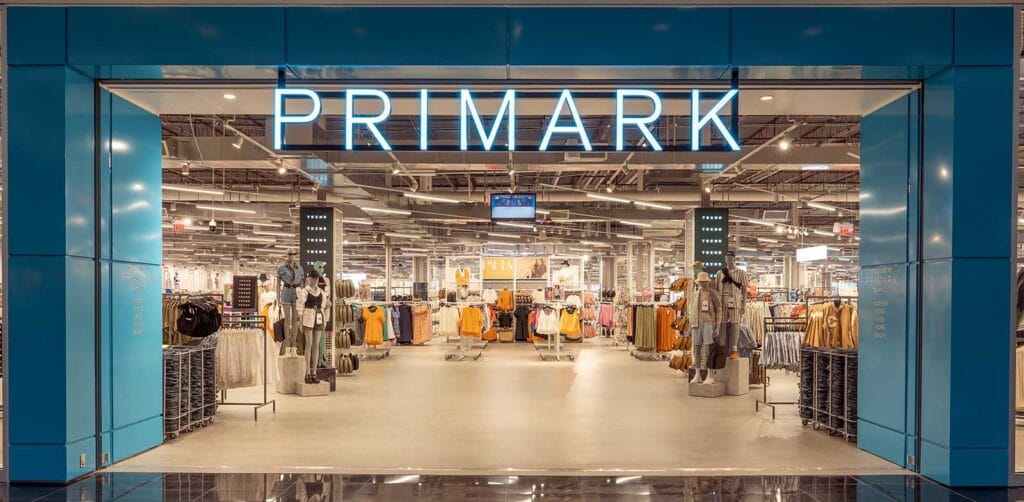
- Primark has signed its first multi-year offtake agreement with a textile-to-textile recycler, securing recycled polyester from Circ for clothing from 2029.
- Circ will supply material from its first industrial-scale recycling facility, using post-consumer and post-industrial textile waste sourced globally.
- The agreement targets one of fashion’s toughest circularity challenges: recycling polycotton blends while reducing dependence on virgin polyester.
Primark has signed a long-term purchase agreement with textile recycling company Circ to bring textile-to-textile recycled polyester into its clothing from 2029.
The agreement is Primark’s first multi-year offtake deal with a textile-to-textile recycler. It gives Circ a major commercial customer as it works to move its recycling technology into industrial-scale production.
For Primark, the partnership is intended to expand access to circular materials without abandoning the affordability at the centre of its business model. It also supports the retailer’s efforts to reduce its reliance on virgin polyester.
From textile waste back into clothing
Circ has developed technology to tackle polycotton, a blend of polyester and cotton that is widely used across the global apparel sector but difficult to recycle.
Its patented process separates polyester from cellulose in blended textile waste. Both components can then be recovered and converted into materials suitable for use in new clothing.
Under the agreement, recycled polyester will be produced at Circ’s commercial facility. The site will support the company’s move into industrial-scale textile-to-textile recycling.
Feedstock will include both post-consumer and post-industrial textile waste. Circ plans to source those materials globally, including through the recovery of textile waste generated in Europe.
“This partnership with Primark represents exactly the kind of long-term commercial commitment needed to move textile-to-textile recycling from innovation to industry standard,” said Peter Majeranowski, CEO of Circ. “When a global fashion retailer commits to integrating recycled materials into future collections, it sends a powerful signal across the industry: the demand is here, the materials are ready, and the opportunity to scale circular material supply chains is real.”

Primark pushes circularity deeper into its supply chain
The agreement sits within Primark’s wider Primark Cares strategy, which includes efforts to extend product life, reduce waste and increase the use of recycled fibres.
The retailer has also introduced a Circular Product Standard to incorporate circular design principles into product development. Other initiatives focus on reuse and repair, with the aim of keeping clothing in use for longer.
For a value retailer operating at significant scale, the challenge is not simply gaining access to new recycled materials. Those materials must also be available in sufficient volumes and at costs compatible with mass-market clothing.
RELATED ARTICLE: Fast-fashion chain Primark expands sustainable cotton programme
Lynne Walker, Director of Primark Cares said: “We launched Primark Cares with a focus on improving the quality and longevity of our clothing, and in the process show that clothes made to last longer don’t have to come at a higher price. Since then, we’ve delivered tangible progress, including increasing the use of recycled fibres, introducing products designed to be recycled and enhancing traceability across our supply chain. This partnership is an important milestone in accelerating our ambitions to further embed circularity in our business and help scale innovative textile-to-textile recycling solutions that could play a transformational role in the future of fashion.”

Why long-term purchasing matters for textile recycling
For investors and fashion executives, the structure of the agreement is as important as the material itself.
Textile-to-textile recycling technologies require significant capital to move from demonstration projects into commercial production. Long-term purchase commitments can provide recyclers with greater demand visibility as they finance and develop larger facilities.
They can also help fashion groups secure access to emerging recycled materials as regulation and corporate sustainability targets increase pressure on the industry to address waste and resource use.
The Circ-Primark agreement therefore connects two sides of fashion’s circularity challenge. Recyclers need dependable demand to justify industrial expansion, while retailers need reliable supplies of materials capable of replacing virgin inputs.
If commercial-scale facilities can deliver consistent quality, volume and competitive pricing, textile-to-textile recycling could become a more significant part of fashion supply chains. Primark’s planned introduction of Circ material in 2029 will provide a test of whether those technologies can move beyond limited collections and into mass-market clothing.

The ESG News Editorial Team is comprised of veteran financial journalists and sustainability analysts dedicated to providing real-time, objective reporting on global ESG regulations, climate finance, and corporate governance. Our desk monitors daily developments from the SEC, IFRS, CSRD and international regulatory bodies to ensure our 1M+ readers receive accurate, data-driven insights into the evolving sustainable investment landscape. Follow the ESG News Editorial Team for expert reporting on global sustainability standards, ESG disclosures, and climate policy. Access over 10,000 investigative reports and real-time updates.
