

Africa Nature Impact Fund Targets $100 Million for Carbon, Biodiversity Projects
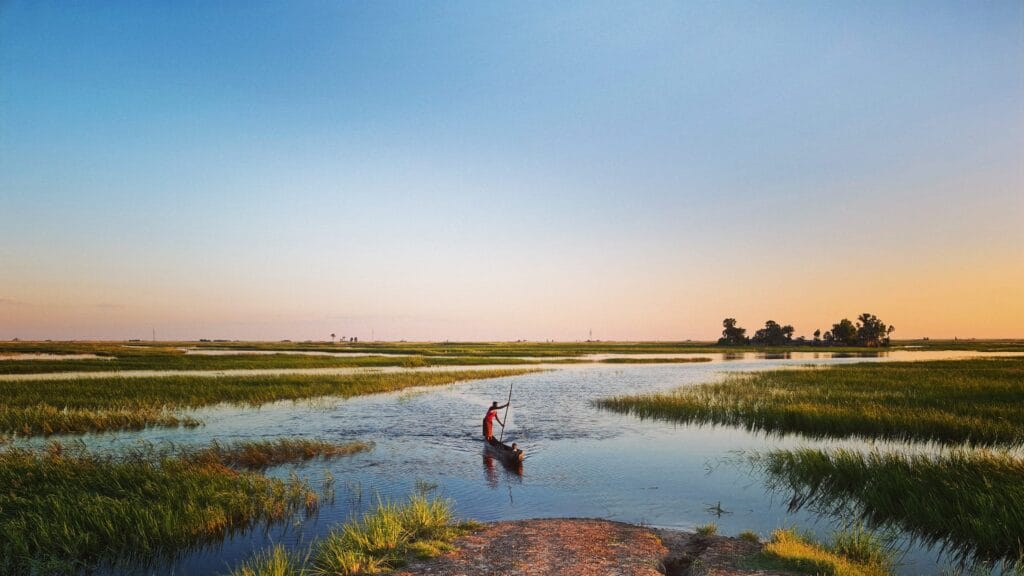
- $100 million investment target: Africa Nature Impact Fund aims to finance early stage nature and carbon projects, with a $20 million first close planned for 2027.
- Climate and biodiversity impact: The fund targets 4.5 million hectares of protected or restored land, more than 100 million tonnes of CO₂e avoided or sequestered, and over 60 species protected.
- Community investment: The platform aims to generate $450 million for local communities while strengthening African ownership of nature-based assets.
Finance Earth, FSD Africa and FSD Africa Investments (FSDAi) have launched a $100 million financing platform to accelerate investment in African nature-based carbon and biodiversity projects.
Announced at the Carbon Markets Africa Summit in Kigali, the Africa Nature Impact Fund aims to address persistent financing gaps affecting early-stage conservation and restoration initiatives.
The platform is targeting a $20 million first close in 2027, supported by a proposed $6.6 million cornerstone commitment from FSDAi.
More than 62% of Africa’s GDP depends on natural capital. Yet investment in biodiversity protection and nature-based carbon projects remains insufficient, limiting opportunities to develop commercially viable conservation initiatives.
Africa Nature seeks to bridge this gap through patient capital, technical support and financing structures that prioritise community participation.
Financing Africa’s Natural Capital
The fund targets the protection or regeneration of 4.5 million hectares of land across Africa.
Its portfolio aims to avoid or sequester more than 100 million tonnes of CO₂e over project lifetimes. It also seeks to protect over 60 animal and plant species.
Beyond environmental outcomes, Africa Nature aims to improve livelihoods for 1.4 million people, with women accounting for half of the beneficiaries.
The financing model builds on FSD Africa’s Carbon Accelerator Programme for the Environment (CAPE), delivered in partnership with Finance Earth.
CAPE has assessed more than 300 projects, developing a pipeline representing over 3.4 billion tonnes of potential CO₂e impact across 76.5 million hectares.
This pipeline provides a foundation for identifying projects capable of attracting institutional investment.
Africa Nature will offer financing across multiple development stages, including project preparation, commercial piloting and implementation.
The approach aims to help projects transition from pre-revenue development into operations supported by sustainable, contracted income.
Community Revenue and African Ownership
Community benefit-sharing forms a central component of the fund’s investment strategy.
Africa Nature will finance projects with meaningful arrangements that allocate a substantial proportion of gross carbon revenue to host communities.
The platform targets approximately $450 million in community benefits over project lifetimes.
It also intends to strengthen African financial institutions’ capacity to finance and manage nature-based assets.
Working alongside FSD Africa and regional partners, the fund will support carbon market readiness among local banks and investors.
This approach seeks to retain more economic value, financial ownership and governance capacity within African markets.
RELATED ARTICLE: Climate Fund Managers Closes $1B Climate Adaptation Fund for Emerging Markets
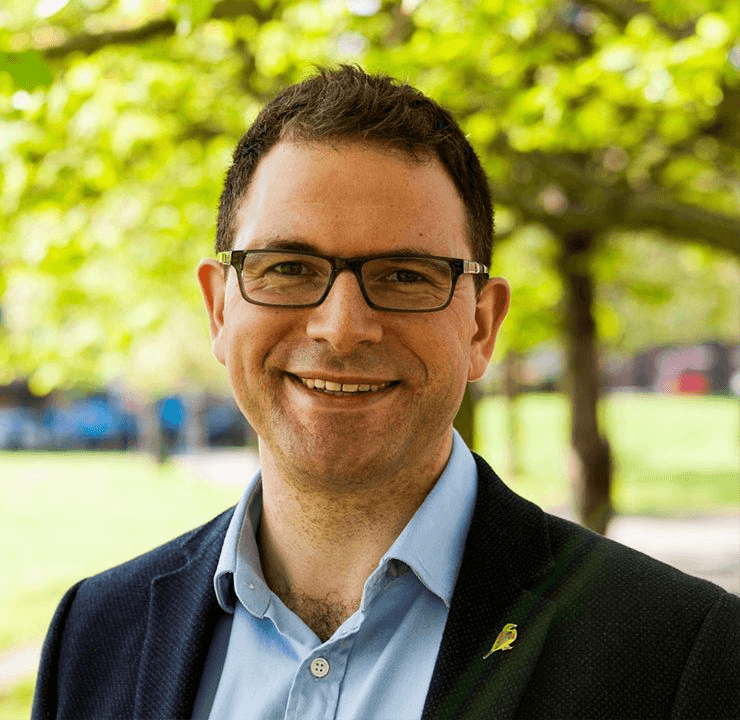
James Mansfield, Managing Director of Finance Earth, said:
“Africa holds a quarter of the planet’s biodiversity, yet nature-based projects across the continent face major challenges in accessing the patient, fairly structured capital they need to succeed. Africa Nature is designed to change this by financing projects equitably and building local investment and governance structures, so that African nature assets are financed by African financial institutions. This announcement marks a critical milestone in the delivery of this vision and the culmination of our partnership with FSD Africa to date.”
Catalytic Capital to Attract Institutional Investors
FSDAi’s proposed $6.6 million cornerstone investment is intended to reduce financing barriers and attract additional institutional and domestic capital.
Early-stage nature projects often face extended development periods, uncertain revenue streams and limited access to conventional financing.
Africa Nature’s structure seeks to address these constraints while establishing commercially sustainable investment opportunities.
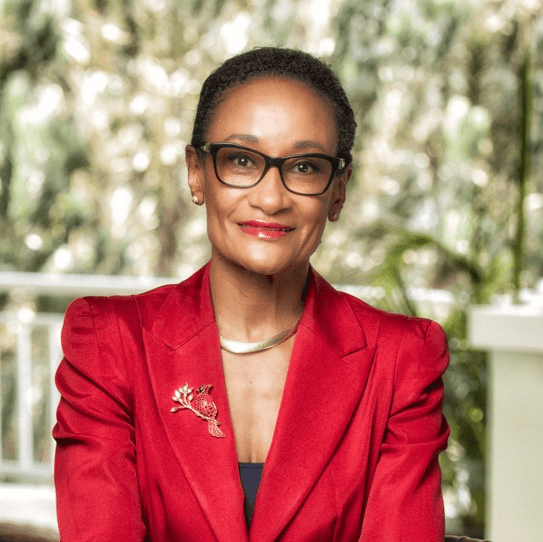
Ann-Marie Chidzero, Chief Investment Officer at FSD Africa Investments, said:
“Catalytic capital works hardest when it unlocks markets that would otherwise remain out of reach. By anchoring the Africa Nature Impact Fund with much needed catalytic capital, we aim to de-risk high-integrity nature projects and crowd in the institutional and local investment that African landscapes and communities urgently need This is exactly the kind of pioneering, high-impact structure FSD Africa Investments exists to support.”
Implications for Carbon Markets and Investors
For institutional investors, Africa Nature offers a potential route into African natural capital markets through a financing structure designed to address early-stage development risks.
Its emphasis on community benefit-sharing and local governance also responds to growing scrutiny of carbon market integrity.
However, achieving the fund’s ambitions will depend on successful capital mobilisation, credible carbon accounting and commercially sustainable project revenues.
The planned 2027 first close will provide an initial test of investor appetite.
More broadly, Africa Nature’s development reflects efforts to connect biodiversity finance, carbon markets and African financial institutions.
If successful, the platform could demonstrate how conservation investment can deliver measurable climate outcomes while retaining greater economic value within the communities and countries protecting Africa’s natural resources.

The ESG News Editorial Team is comprised of veteran financial journalists and sustainability analysts dedicated to providing real-time, objective reporting on global ESG regulations, climate finance, and corporate governance. Our desk monitors daily developments from the SEC, IFRS, CSRD and international regulatory bodies to ensure our 1M+ readers receive accurate, data-driven insights into the evolving sustainable investment landscape. Follow the ESG News Editorial Team for expert reporting on global sustainability standards, ESG disclosures, and climate policy. Access over 10,000 investigative reports and real-time updates.
