

ABN AMRO, Aviva Investors Commit $112 Million to Scale Circular Concrete
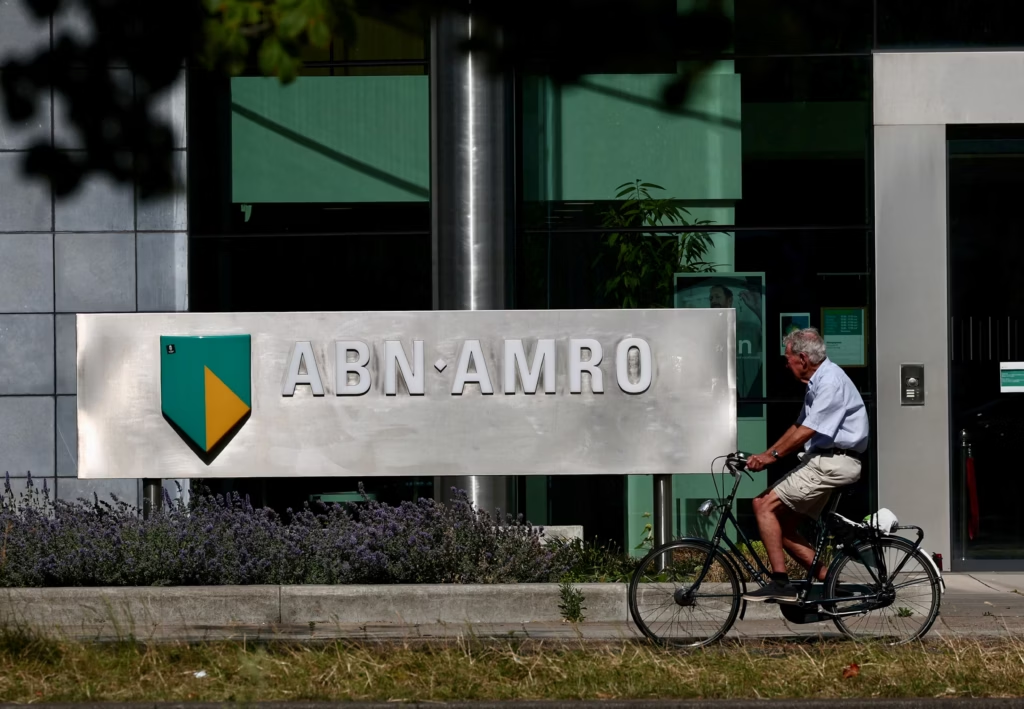
- ABN AMRO Sustainable Impact Fund and Aviva Investors have committed approximately $112 million to circular concrete producer SL Materials.
- The capital will expand production in the Netherlands and support new sites across Europe, increasing access to recovered cementitious materials, sand and gravel.
- The investment targets a major construction decarbonisation challenge: reducing demand for virgin materials while cutting emissions associated with concrete production.
ABN AMRO Sustainable Impact Fund and Aviva Investors have committed approximately $112 million to SL Materials, backing the European expansion of technology that turns demolished concrete into raw material for new construction.
The follow on investment will finance additional production capacity, new European sites and further development of the company’s circular concrete technology.
Formerly known as Urban Mine, SL Materials is entering its next growth phase with a new name and larger capital base. Its expansion comes as Europe pushes the construction sector toward lower emissions and greater resource efficiency.
Turning demolition waste into new concrete
SL Materials has developed technology that recovers valuable components from concrete generated during demolition projects.
Its proprietary Smart Liberator and Smart Refiner technologies separate concrete into cementitious materials, sand and gravel. These materials can then return to the construction supply chain for use in new concrete.
The model addresses two environmental pressures at once. It reduces the volume of demolition material treated as waste and lowers reliance on virgin construction resources.
Concrete remains one of the world’s most widely used construction materials. Its production also carries a substantial carbon footprint, particularly from cement. Technologies that allow materials to remain in circulation for longer could therefore play a growing role in construction-sector decarbonisation.
For developers and contractors, circular concrete could also reduce exposure to raw material constraints as European resource-efficiency rules tighten.
$112 million backs European expansion
The new capital will expand SL Materials’ existing production facility in Zaandam, Netherlands. It will also support additional production capacity at new locations across Europe.
Part of the investment will fund continued innovation and optimisation of the company’s technology. The goal is to make recovered concrete materials available to a broader customer base at commercial scale.
The financing follows earlier backing from ABN AMRO through its Sustainable Impact Fund. For the bank, the follow-on commitment reflects a longer-term investment thesis around circularity and industrial decarbonisation.
RELATED ARTICLE: ABN AMRO Publishes Climate Strategy and Joins the Net Zero Banking Alliance
Maarten Blomme, Head of Corporate Investments at ABN AMRO, said: “We are convinced that circular concrete can become the industry standard. This follow-on investment will enable SL Materials to further scale its unique concrete recovery technology and make high-quality circular concrete available to a wider customer base. Financing innovative companies such as SL Materials is an important part of how ABN AMRO supports the transition to a more circular and resilient economy, and we are proud to support that ambition.”
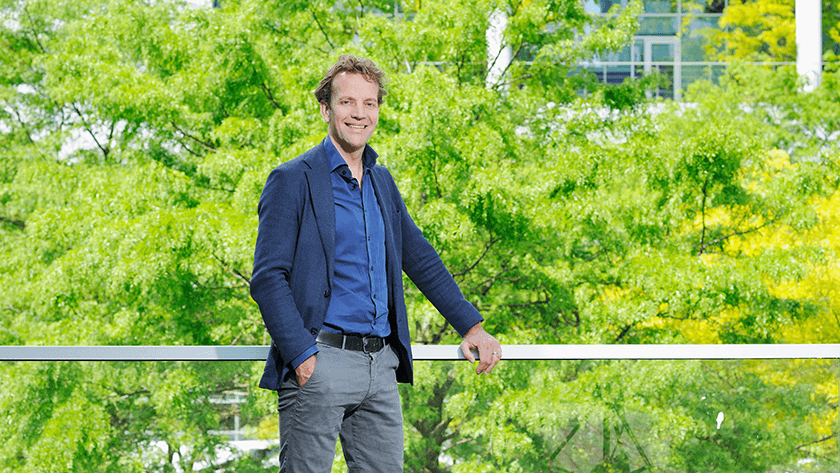
The financing also coincides with the company’s transition from Urban Mine to SL Materials. The rebrand reflects its ambition to move beyond individual projects and build a wider European production footprint.
Circular construction moves toward scale
For investors, the deal highlights growing capital requirements around the circular economy. Construction is particularly exposed because it consumes large volumes of raw materials while generating significant waste.
That creates opportunities for technologies capable of recovering materials without sacrificing the performance required for new construction.
European policy is adding pressure. The region’s climate and circular economy objectives increasingly place resource efficiency alongside emissions reduction. That makes material recovery relevant not only to waste management, but also to corporate climate strategies and supply-chain resilience.
The challenge for companies such as SL Materials will be scale. Circular technologies must move beyond individual facilities and demonstrate that recovered materials can compete reliably on quality, availability and cost.
The $112 million investment is intended to accelerate that transition.
If SL Materials can expand its technology across multiple European markets, its model could help shift concrete recycling from lower-value waste treatment toward closed-loop material recovery. For construction companies, investors and policymakers, that distinction will become increasingly important as Europe seeks to reduce both industrial emissions and dependence on virgin resources.

The ESG News Editorial Team is comprised of veteran financial journalists and sustainability analysts dedicated to providing real-time, objective reporting on global ESG regulations, climate finance, and corporate governance. Our desk monitors daily developments from the SEC, IFRS, CSRD and international regulatory bodies to ensure our 1M+ readers receive accurate, data-driven insights into the evolving sustainable investment landscape. Follow the ESG News Editorial Team for expert reporting on global sustainability standards, ESG disclosures, and climate policy. Access over 10,000 investigative reports and real-time updates.


