
COP30 Presidency Lays Out 2033 Fossil Fuel Transition, Forest Finance Roadmaps
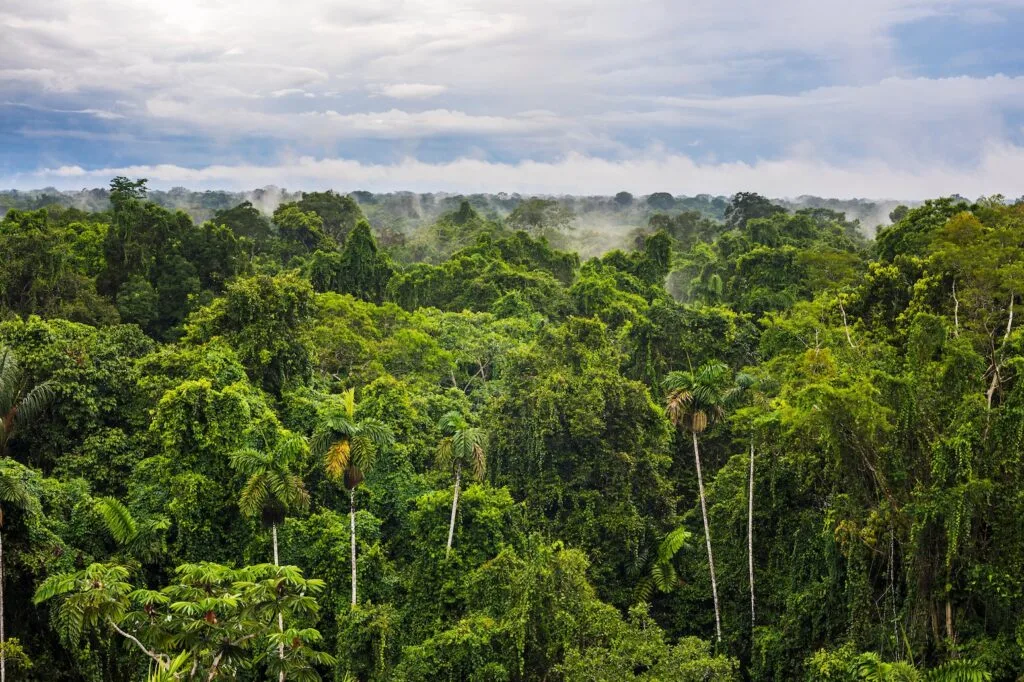
- Energy timeline: Countries would replace fossil fuels from 2031 to 2033.
- Forest fund: Brazil’s forest facility has $7.6 billion of a $10 billion target.
- Implementation call: Correa do Lago says governments must act, not renegotiate.
Brazil is ending its year-long presidency of the UN climate process with roadmaps for governments on fossil fuels and deforestation. Under the energy roadmap, countries would draft transition plans by 2028 and replace fossil fuels from 2031 to 2033. Reuters did not report an enforcement mechanism or which countries endorse the roadmaps.
Andre Correa do Lago, COP30 President, led last November’s UN climate summit in Belem and said governments must integrate climate goals into policymaking. “We don’t need more negotiations. What we need is for governments to start taking action,” Correa do Lago told Reuters. “We need to completely change the way governments deal with climate change. To implement this, we need finance, infrastructure and transportation ministers at the table.”
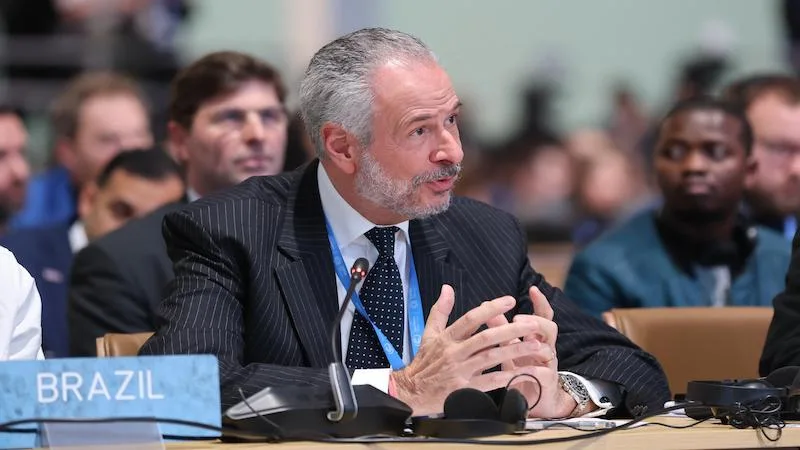
COP31 opens in Antalya, southern Turkey, on November 9. Murat Kurum is the summit president and Turkish environment, urbanisation and climate change minister. In September, he told the UN the agenda would also focus on implementation rather than new pledges, based on “dialogue, consensus and action.”
Fossil Fuel Roadmap
In Belem, the roadmap had European support but failed to win consensus after opposition from major oil-producing countries. Before 2028, countries would assess energy systems and strengthen regulations ahead of the second Global Stocktake, a UN review of climate progress.
By 2030, infrastructure upgrades and renewable investments should be underway. Global renewable capacity hit a record 5,149 gigawatts at the end of 2025, according to the International Renewable Energy Agency. Yet Brazil’s roadmap notes most recent growth met new demand rather than replacing fossil fuels. “My opinion is that it doesn’t need to be negotiated again because that negotiation has already taken place,” said Correa do Lago. “It needs to be implemented.”
RELATED ARTICLE: Schneider Electric Backs Brazil’s Industrial Decarbonization push at COP30
Forest Finance Roadmap
Disagreement over forest finance also kept the deforestation roadmap out of the final COP30 agreement. The United Nations Environment Programme (UNEP) says annual forest funding must rise from $84.5 billion in 2023 to over $300 billion by 2030. National governments provide 88.3% of forest finance, while international public funding provides 3.4%.
Brazil’s Tropical Forests Forever Facility (TFFF) would use sovereign fund returns to pay countries that preserve their forests. It had secured $7.6 billion against a $10 billion target by the end of COP30, according to Correa do Lago. The roadmap also backs stronger carbon markets, debt relief and direct finance for Indigenous peoples and local communities. “Public financing from developed countries is absolutely essential,” Correa do Lago said. “But we have a much more sophisticated and diversified way of financing the various activities that would reduce deforestation.” “It is not an easy task, and it is not just about financing. But financing is a central part of this process,” he added.
Who It Affects
- Oil-producing countries: The roadmap they opposed targets 2031 to 2033 for replacing fossil fuels.
- Developed countries: Correa do Lago calls their public financing essential to cutting deforestation.
- Tropical forest countries: Their national budgets carry most forest finance today, and TFFF payments depend on preserving forests.
The Stakeholders at a Glance

The ESG News Editorial Team is comprised of veteran financial journalists and sustainability analysts dedicated to providing real-time, objective reporting on global ESG regulations, climate finance, and corporate governance. Our desk monitors daily developments from the SEC, IFRS, CSRD and international regulatory bodies to ensure our 1M+ readers receive accurate, data-driven insights into the evolving sustainable investment landscape. Follow the ESG News Editorial Team for expert reporting on global sustainability standards, ESG disclosures, and climate policy. Access over 10,000 investigative reports and real-time updates.