

J.P. Morgan, Paraguay Launch $200 Million Sustainable Forestry Investment

- $200 million investment: J.P. Morgan Natural Capital plans to develop a large-scale sustainable forestry platform in Paraguay, with capital deployment expected from early 2027.
- Forestry and carbon focus: The platform will combine commercial forestry, native forest restoration, carbon credits and sustainable timber production.
- Local value creation: The partners plan to process timber in Paraguay, supporting industrial development, rural employment and higher-value exports.
The Office of the President of Paraguay and J.P. Morgan Natural Capital have announced an approximately $200 million investment in the country’s forestry sector. The project aims to combine sustainable land management with industrial development and rural job creation.
Announced at the Paraguay Investment Forum NYC 2026, the investment will establish a large-scale sustainable forestry platform. It will be developed with Grupo Robinson, a Paraguayan business group active in agriculture and forestry.
Capital deployment is expected to begin in early 2027.
Building a forestry and carbon platform
The investment will focus on establishing commercial forests alongside the restoration of native forests.
The platform is also designed to generate several potential revenue streams. These include high-quality timber, carbon credits and wood products produced through sustainable forestry operations.
J.P. Morgan Natural Capital will bring international investment and natural capital expertise to the project. Grupo Robinson will contribute local knowledge, production capabilities and experience in Paraguay’s agricultural and forestry sectors.
“This investment in Paraguay is a compelling opportunity to build a scalable, long-term forestry platform grounded in sustainable resource management and rural development,” said Angela Davis, CEO of J.P. Morgan Natural Capital. “We are pleased to partner with Grupo Robinson on bringing this impactful initiative to life.”

The scale of the investment also puts carbon markets alongside traditional forestry products within the project’s commercial model. That creates exposure to both physical timber markets and emerging demand for nature-based carbon assets.
Paraguay targets more domestic processing
The partners also intend to use the forestry platform to support Paraguay’s industrialization strategy.
Rather than focusing solely on the production and export of raw materials, the initiative aims to process more timber domestically. That could allow greater economic value to remain within the country while supporting finished products for local and international markets.
For Paraguay, the project therefore extends beyond forestry investment. It links natural resource management with rural economic development, manufacturing and export potential.
“This announcement reflects Paraguay’s commitment to creating quality opportunities outside our major cities—building stronger rural communities while stewarding our natural resources responsibly,” said Santiago Peña, President of the Republic of Paraguay. “We welcome long-term partners who invest with a focus on sustainable development, job creation, and adding value in Paraguay.”
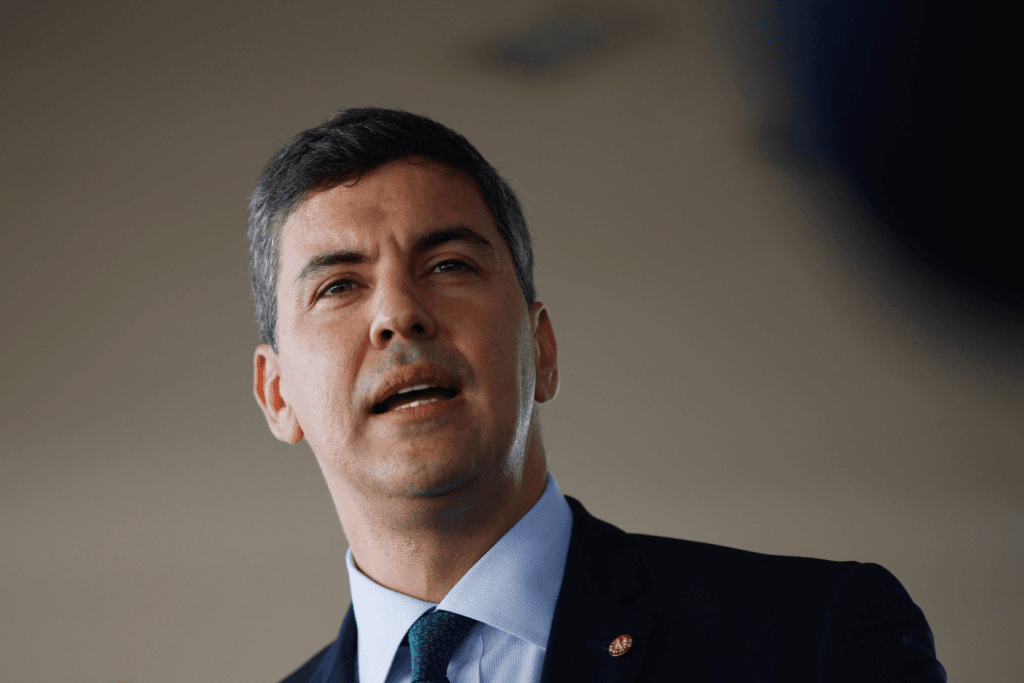
The government expects the project to create quality employment in rural areas and strengthen local communities. Its development model combines international capital with domestic expertise and locally available natural resources.
RELATED ARTICLE: J.P. Morgan Asset Management Launches Three New Sustainable ETFs
Natural capital moves closer to industrial strategy
For investors, the transaction shows how natural capital strategies are expanding beyond conservation-focused investments.
Forestry assets can generate returns through timber and wood products while creating additional opportunities through carbon markets and ecosystem restoration. However, execution will depend on credible forest management, carbon integrity and the ability to build local processing capacity.
Those factors will also determine the project’s broader ESG impact. Large-scale forestry investment can create jobs and support restoration, but governance around land use, biodiversity and community impacts remains central to long-term performance.
The Paraguay project will test whether these objectives can be integrated at commercial scale.
For corporate leaders and institutional investors, the $200 million commitment also illustrates the growing connection between natural capital and national economic development. Emerging markets with significant natural resources are increasingly looking to attract investment that does more than extract or export commodities.
Paraguay’s approach is to pair sustainable forestry with domestic processing, rural development and higher-value production.
If successful, the platform could offer a model for how international capital can support nature-based assets while building local industrial capacity. Its significance will ultimately depend on execution, particularly as investment begins in 2027 and the forestry platform moves from capital commitment to long-term production and restoration.

The ESG News Editorial Team is comprised of veteran financial journalists and sustainability analysts dedicated to providing real-time, objective reporting on global ESG regulations, climate finance, and corporate governance. Our desk monitors daily developments from the SEC, IFRS, CSRD and international regulatory bodies to ensure our 1M+ readers receive accurate, data-driven insights into the evolving sustainable investment landscape. Follow the ESG News Editorial Team for expert reporting on global sustainability standards, ESG disclosures, and climate policy. Access over 10,000 investigative reports and real-time updates.
