

Grassroots Carbon Targets 40 Million U.S. Acres by 2030
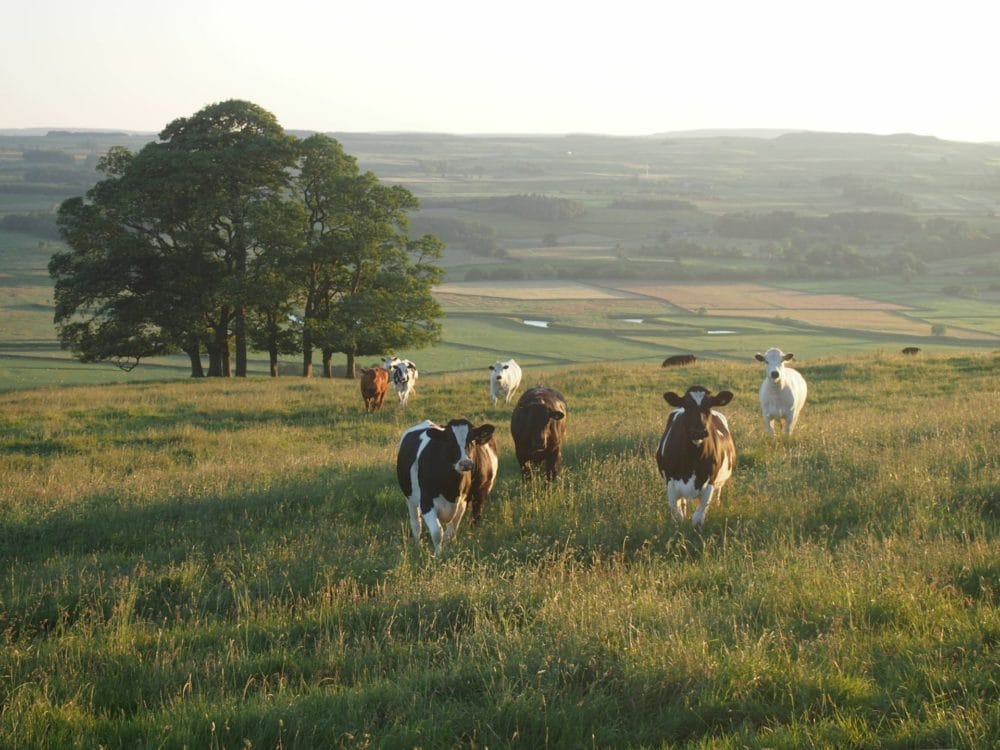
- Grassroots Carbon plans to support improved grazing management across 40 million acres of U.S. grazing land by 2030, equal to roughly 6% of the national total.
- At least 10 million acres are expected to be fully verified through recognized pathways as part of the One Billion Acres campaign.
- The company says corporate investment in measured carbon, water and biodiversity outcomes could create new revenue for ranchers while financing more resilient agricultural operations.
Grassroots Carbon has set a goal to expand its work across 40 million acres of U.S. grazing land by 2030, taking a major bet on regenerative grazing and environmental markets.
Announced during Climate Week NYC, the target would expand the company’s reach more than thirteenfold. Grassroots Carbon currently works with 340 ranching families across 22 states and approximately 3 million acres.
At least 10 million acres under the 2030 ambition will be fully verified through recognized pathways. That commitment forms part of One Billion Acres, the impact campaign for Groundswell.
The broader 40-million-acre target is equivalent to roughly 6% of U.S. grazing lands. The U.S. Department of Agriculture estimates the country has approximately 659 million acres of grassland pasture and range.
From carbon markets to ranch economics
Grassroots Carbon began in 2021 with 10 ranching families in Texas, known internally as the “Texas 10.” Its model seeks to connect ranchers implementing improved grazing management with companies willing to pay for measured environmental outcomes.
The company currently delivers verified increases in soil organic carbon from atmospheric carbon drawdown. It also measures greenhouse gas reductions linked to changes in management and inputs, including nitrogen fertilizer.
Programs covering water and biodiversity outcomes are also under development. These include volumetric water benefits and improvements in habitat and grassland bird populations.
For Grassroots Carbon, however, environmental credits are intended to support the economics of the underlying agricultural business.
“We’re not trying to turn ranches into carbon projects. We’re trying to help ranching families build better businesses on healthier, more productive land.”
Improved grazing management can increase grass availability and grazing days, according to the company. It can also help reduce certain input costs and improve resilience to drought, heat, wildfire and erosion.
Scaling without sacrificing verification
The expansion highlights a persistent challenge for nature and agricultural markets: how to increase participation while maintaining credible measurement.
Grassroots Carbon physically samples soil to a depth of one meter rather than relying exclusively on modeled or practice-based estimates. It also documents changes in grazing management.
The company argues that rigorous standards remain essential for corporate buyers seeking defensible environmental claims. Independent verification can also protect ranchers whose practices underpin those claims.
But verification can take years, creating tension between the pace of environmental measurement and the financing needed to change agricultural practices.
“We should not have to choose between rigor and scale.”
Grassroots Carbon wants systems that allow ranchers to begin transitions, attract capital and build evidence for verification over time. The company maintains that this should not require weakening environmental standards.
For corporate buyers, that issue is becoming increasingly important as scrutiny of environmental claims intensifies. Companies purchasing nature-related outcomes need evidence that can withstand investor, regulatory and stakeholder examination.
RELATED ARTICLE: Grassroots Carbon Reaches 1.9 Million Tons of Verified Soil Removals for Net Zero Demand
Putting management at the center
Grassroots Carbon is also challenging broad assumptions about livestock’s environmental footprint by focusing on land management.
“A cow is not a management practice.”
The company argues that grazing outcomes depend heavily on how cattle are moved and how long land is allowed to recover. Managed grazing can stimulate plant growth, improve ground cover and support nutrient cycling. Under suitable conditions, deeper root systems may also improve water retention and carbon storage.
That distinction matters for investors and companies considering agricultural climate strategies. Rather than certifying ranches, animals or products as “regenerative,” Grassroots Carbon measures specific environmental outcomes associated with management changes.
It also places ranchers at the center of the model. Those operators may need to install fencing and water infrastructure, change herd rotations or allow longer pasture recovery periods before benefits become apparent.
Corporate capital meets working lands
Reaching 40 million acres will require considerably more corporate participation. Grassroots Carbon cited Nestlé among companies that have already invested alongside its programs.
Long-term demand could provide ranchers with additional revenue while directing private capital toward soil health and agricultural resilience. For companies, the model offers access to measured environmental outcomes tied directly to working U.S. landscapes.
The scale remains ambitious. Grassroots Carbon must move from approximately 3 million acres today to 40 million within four years.
“The limitations of today’s systems should not define what we believe is possible tomorrow.”
Whether that expansion can maintain verification standards will be central to its credibility. The wider question reaches beyond one company. If environmental markets can connect corporate demand with measurable improvements on working lands, U.S. grazing country could become a larger destination for private climate and nature finance.
For companies and investors, the opportunity is not simply carbon. It is whether credible environmental measurement can turn land stewardship into durable economic value while strengthening the resilience of the rural businesses managing that land.

The ESG News Editorial Team is comprised of veteran financial journalists and sustainability analysts dedicated to providing real-time, objective reporting on global ESG regulations, climate finance, and corporate governance. Our desk monitors daily developments from the SEC, IFRS, CSRD and international regulatory bodies to ensure our 1M+ readers receive accurate, data-driven insights into the evolving sustainable investment landscape. Follow the ESG News Editorial Team for expert reporting on global sustainability standards, ESG disclosures, and climate policy. Access over 10,000 investigative reports and real-time updates.


