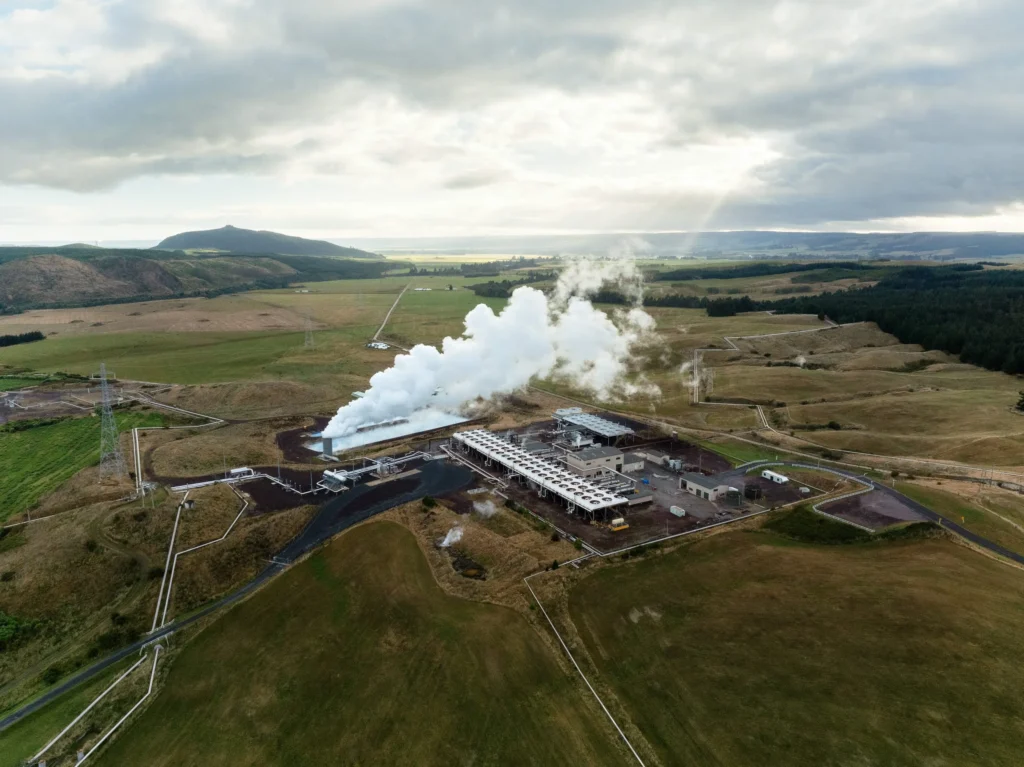
Installed capacity: 1,797 MW at the end of 2025, fourth globally and first in Europe.
Growth record: No other country has grown its geothermal capacity over 15 years as Türkiye has.
Net-zero role: Geothermal sits in Türkiye’s path to its 2053 net-zero target.
Türkiye can showcase its geothermal experience as host of COP31, the UN climate conference, says Marit Brommer. Brommer is chief executive of the International Geothermal Association (IGA). Türkiye ranks fourth globally and first in Europe, with 1,797 MW of installed geothermal capacity at the end of 2025. However, the interview gives no geothermal capacity target or investment figure.
Brommer also cites district heating, agriculture and local economic development as areas where Türkiye could lead by example. Notably, Brommer says no other country has grown its geothermal capacity over a 15-year period as Türkiye has. Türkiye’s experience in resource development, investment, regulation and direct use offers lessons for emerging markets in Central Asia, the Balkans and Africa.
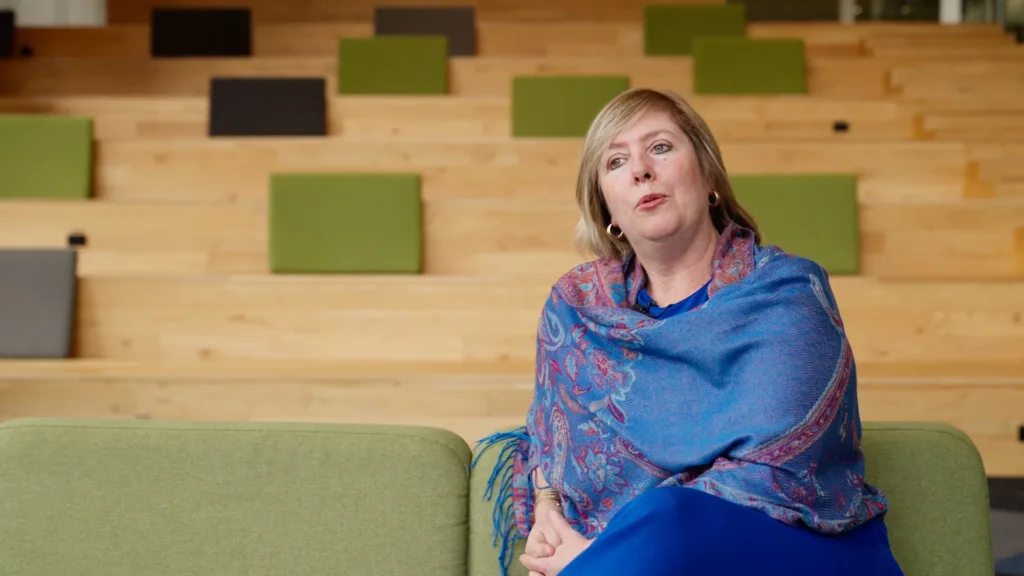
“We should look beyond geothermal solely as an electricity technology,” said Marit Brommer, chief executive of the International Geothermal Association.
Marit Brommer, chief executive of the International Geothermal Associatio
Speaking at the 25th World Petroleum Council (WPC) Energy Congress in Riyadh, Energy and Natural Resources Minister Alparslan Bayraktar placed geothermal in the net-zero path. He said Türkiye is assessing all renewable options, including geothermal, to meet rising demand and reach its 2053 net-zero target. Additionally, he cited AI data centres, electric transport and cooling as drivers of higher electricity consumption. “Through COP31, we aim to send a strong message to the global community on electrification, energy security, and the fight against climate change,” he said.
Minister Alparslan Bayraktar
Who It Affects
Governments: Clarify resource rights, set transparent licensing procedures, create exploration risk mitigation mechanisms and provide stable long-term investment conditions.
Investors: High upfront costs, decades-long returns, exploration risk and long permitting procedures can deter investment, even where the geology is good.
Regulators and financial institutions: Need the capacity to support geothermal projects, alongside public authorities.
The ESG News Editorial Team is comprised of veteran financial journalists and sustainability analysts dedicated to providing real-time, objective reporting on global ESG regulations, climate finance, and corporate governance. Our desk monitors daily developments from the SEC, IFRS, CSRD and international regulatory bodies to ensure our 1M+ readers receive accurate, data-driven insights into the evolving sustainable investment landscape. Follow the ESG News Editorial Team for expert reporting on global sustainability standards, ESG disclosures, and climate policy. Access over 10,000 investigative reports and real-time updates.