

EU COP31 Climate Deal to Accelerate Emissions Cuts
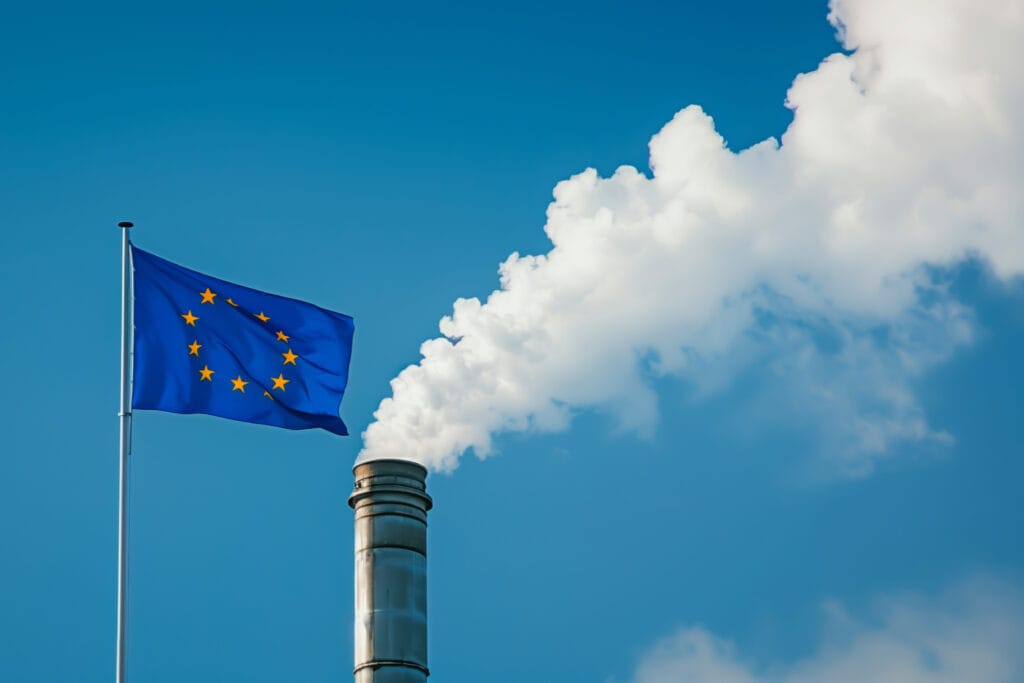
- EU seeks stronger climate action: Brussels will push for a COP31 mitigation package that converts existing national climate pledges into measurable emissions reductions.
- Long-term policy oversight: The EU wants to extend the UN’s mitigation work programme until 2040, maintaining international scrutiny of emissions reduction efforts.
- Climate finance tensions: The bloc has ruled out new funding commitments at COP31, potentially deepening divisions with developing economies seeking financial support.
The European Union is preparing to push for a new global emissions reduction agreement at COP31 in Turkey this November. The initiative aims to accelerate climate action without reopening contentious negotiations over national commitments.
An internal EU document seen by Reuters outlines plans for a “mitigation package” focused on implementing existing climate pledges. The proposal reflects growing frustration over the gap between government commitments and actual emissions reductions.
The strategy comes amid mounting geopolitical tensions, worsening climate impacts and disagreements over the financial costs of decarbonisation.
EU Seeks to Extend Global Emissions Negotiations Until 2040
A central element of the EU’s COP31 strategy involves extending the United Nations’ mitigation work programme until 2040.
The programme provides a forum for governments to identify opportunities to reduce greenhouse gas emissions and strengthen climate action. It is currently scheduled to expire in 2026.
Extending the framework would preserve a dedicated international process for discussing emissions reductions over the next 14 years.
The proposal also seeks a coordinated response to the UN’s confirmation that the world will miss the Paris Agreement’s 1.5°C warming target.
For European policymakers, maintaining international engagement on mitigation remains essential as countries face mounting pressure to deliver on existing commitments.
The draft document was prepared by Ireland, which currently holds the EU’s rotating presidency.
“We will look to strengthen our partnerships to deliver practical progress on global climate action, specifically on the transition away from fossil fuels and on electrification,” Irish climate minister Darragh O’Brien said.

EU climate ministers are scheduled to discuss the bloc’s COP31 negotiating strategy on Monday.
Brussels Shifts Strategy After COP30 Negotiations Stall
The proposed approach follows disappointing outcomes at COP30 in Brazil, where governments failed to secure stronger commitments to curb greenhouse gas emissions.
Negotiations have become increasingly difficult as major emerging economies and fossil fuel-producing nations weigh climate obligations against economic development priorities.
The United States’ withdrawal from global climate negotiations has added further uncertainty to international cooperation.
Against this backdrop, EU diplomats are seeking a less confrontational approach.
Rather than pursuing public disputes over contentious negotiating positions, Brussels intends to prioritise partnerships that help countries implement existing commitments.
This includes advancing electrification and supporting the transition away from fossil fuels.
The approach places greater emphasis on delivery, potentially creating opportunities for cooperation on clean energy deployment, infrastructure investment and industrial decarbonisation.
However, its effectiveness will depend on whether governments can translate diplomatic agreements into domestic policies and measurable emissions reductions.
Climate Finance Remains a Major Obstacle
Despite its ambitions for stronger mitigation, the EU is not preparing to offer additional climate finance commitments at COP31.
The internal document states there is “no scope” for new funding pledges.
That position could complicate negotiations with developing economies, which continue to seek greater financial support for emissions reductions and climate adaptation.
Climate finance remains one of the most politically sensitive issues in international negotiations.
RELATED ARTICLE: EU Backs Greenland Strategy With $232 Million
Many developing countries argue that ambitious decarbonisation targets require substantial investment in renewable energy, electricity infrastructure and cleaner industrial technologies.
Without additional financial commitments, securing broader agreement on stronger mitigation measures could prove difficult.
The EU’s position also exposes a fundamental challenge facing global climate diplomacy: aligning emissions reduction expectations with the financial capacity of individual economies.
What COP31 Means for Business and Investors
For multinational companies and institutional investors, the proposed mitigation package could influence the direction of climate policy beyond 2026.
Extending the UN mitigation work programme until 2040 would maintain international attention on national emissions trajectories and implementation progress.
That could increase pressure on governments to strengthen domestic decarbonisation policies, potentially affecting energy investment, industrial planning and corporate transition strategies.
The EU’s emphasis on electrification and fossil fuel transition also places clean energy infrastructure at the centre of its negotiating priorities.
Yet uncertainty over international climate finance could constrain investment opportunities in emerging markets, particularly where projects depend on concessional funding or public financial support.
COP31 will therefore test whether governments can advance global emissions reductions through implementation-focused cooperation, even without new financial pledges.
For the EU, the challenge extends beyond securing diplomatic consensus. Its proposed framework must deliver credible climate action while navigating competing economic priorities and increasingly fragmented international cooperation.

The ESG News Editorial Team is comprised of veteran financial journalists and sustainability analysts dedicated to providing real-time, objective reporting on global ESG regulations, climate finance, and corporate governance. Our desk monitors daily developments from the SEC, IFRS, CSRD and international regulatory bodies to ensure our 1M+ readers receive accurate, data-driven insights into the evolving sustainable investment landscape. Follow the ESG News Editorial Team for expert reporting on global sustainability standards, ESG disclosures, and climate policy. Access over 10,000 investigative reports and real-time updates.


