
France, Germany Near Deal to Ease EU 2035 Car Emissions Targets
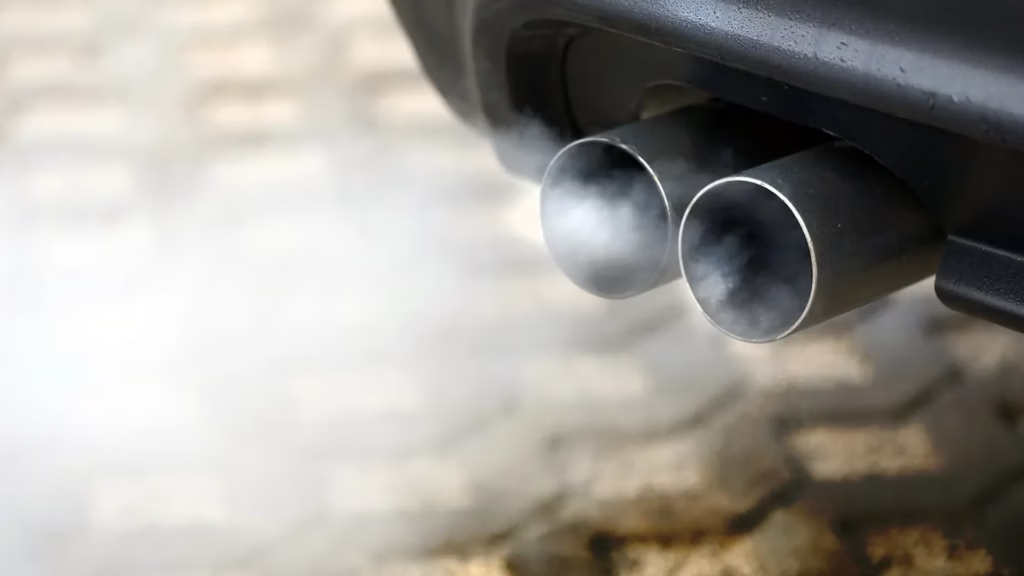
- EU emissions targets: France and Germany are nearing an agreement to reduce the EU’s 2035 car emissions target to 90%, removing additional compensation requirements.
- UK market access: Britain could qualify for preferential treatment under EU “Made in Europe” rules, subject to reciprocal trade and investment conditions.
- Automotive competitiveness: The proposed changes could ease compliance costs for European automakers while reshaping clean vehicle investment and supply chain policies.
France and Germany Move Toward Automotive Policy Compromise
France and Germany are nearing an agreement to ease the European Union’s 2035 vehicle emissions requirements while expanding preferential market access for Britain.
The proposed compromise would reduce regulatory pressure on European automakers and reshape the bloc’s industrial competitiveness strategy. However, the agreement remains provisional and requires broader EU approval.
Diplomats said the two countries are close to resolving disagreements over vehicle emissions targets and European manufacturing requirements.
The negotiations come as European automakers face mounting pressure from electrification costs, international competition and tightening environmental regulations.
At stake is the balance between protecting Europe’s automotive industry and maintaining its long-term climate commitments.
EU Car Emissions Target Could Fall to 90%
The European Commission previously proposed a 90% reduction in car CO2 emissions by 2035, measured against 2021 levels.
Under that proposal, manufacturers would need to compensate for the remaining 10% through low-carbon steel and alternative fuels. These measures would effectively bridge the gap toward a 100% reduction.
The emerging Franco-German agreement would retain the 90% emissions reduction target but eliminate the additional compensation requirements.
This approach broadly aligns with the preferences of German automakers, which have sought greater flexibility in meeting future emissions standards.
For manufacturers, removing compensation obligations could reduce compliance costs and provide more flexibility in vehicle technology and production strategies.
However, the proposal would also weaken the original framework’s overall emissions ambition.
Germany faces additional domestic political complications. The country’s Social Democratic environment minister has suggested an alternative requiring a 95% emissions reduction.
Under that approach, low-carbon steel would compensate for the remaining five percentage points.
These competing positions illustrate the political difficulty of reconciling industrial competitiveness with Europe’s climate objectives.
Britain Could Gain Access to EU Manufacturing Incentives
The negotiations also address proposed EU rules governing local-content and low-carbon requirements in public procurement, auctions and subsidy programmes.
France has advocated restricting eligible products to those manufactured within the EU’s 27 member states.
Germany and several other countries favour a broader definition that includes closely integrated trading partners.
The provisional agreement would extend automotive eligibility under “Made in Europe” provisions to European partners participating in the EU internal market on January 1, 2020.
This definition would include Britain, which formally left the EU single market at the end of 2020.
For British automotive manufacturers, inclusion could preserve access to European industrial incentives and procurement opportunities.
It could also support established cross-border supply chains serving vehicle manufacturers across Britain and continental Europe.
However, preferential treatment would not be unconditional.
RELATED ARTICLE: CaixaBank Launches Carbon Credit Platform to Help Companies Offset Emissions
Trade Reciprocity and Chinese EV Restrictions Remain Critical
The proposed agreement requires “full reciprocity” alongside “dynamic alignment with EU conditions for investment from third countries and with EU trade protection measures”.
These provisions could require Britain to align with European restrictions targeting Chinese-manufactured hybrid and battery electric vehicles.
Such conditions would connect industrial subsidy eligibility with broader EU trade defence policies.
For automotive executives and investors, the implications extend beyond manufacturing location.
Companies could face additional considerations involving supply chain exposure, investment screening and compliance with European trade measures.
The proposed framework could also influence future decisions about battery manufacturing, vehicle assembly and sourcing strategies.
EU Approval Remains the Final Hurdle
A Franco-German agreement would provide political momentum but would not automatically change EU legislation.
Both countries must secure support from other member states and the European Parliament before the proposals can enter into force.
Negotiations could prove difficult as governments weigh domestic manufacturing interests against emissions reduction commitments.
For investors, the outcome will influence long-term assumptions about electric vehicle demand, automotive capital expenditure and low-carbon materials.
The wider implications extend to Europe’s industrial policy credibility. Policymakers must balance regulatory flexibility with the investment certainty needed to support decarbonisation.
The final agreement could determine how Europe protects its automotive competitiveness while pursuing climate objectives and managing increasingly complex international trade relationships.

The ESG News Editorial Team is comprised of veteran financial journalists and sustainability analysts dedicated to providing real-time, objective reporting on global ESG regulations, climate finance, and corporate governance. Our desk monitors daily developments from the SEC, IFRS, CSRD and international regulatory bodies to ensure our 1M+ readers receive accurate, data-driven insights into the evolving sustainable investment landscape. Follow the ESG News Editorial Team for expert reporting on global sustainability standards, ESG disclosures, and climate policy. Access over 10,000 investigative reports and real-time updates.