
Microsoft, Aker Solutions Advance Global CCS Projects

- Aker Solutions and Microsoft will work together to improve the bankability and delivery of global CCS and carbon removal projects.
- The partnership will combine engineering, digital technology, AI, MRV and carbon market expertise to reduce project risk and support investment decisions.
- Developers could gain a more integrated route from early feasibility studies through final investment decisions and project operations.
Aker Solutions and Microsoft have agreed to collaborate on carbon capture and storage and carbon dioxide removal projects worldwide. The partnership aims to move more projects from early-stage development toward financing, construction and operation.
The agreement was signed at ONS in Stavanger, Norway. It brings together Aker Solutions’ engineering and project delivery capabilities with Microsoft’s expertise in digital technologies, artificial intelligence, carbon markets and monitoring, reporting and verification.
For a carbon management sector struggling to convert project pipelines into final investment decisions, the companies are focusing on one of its central challenges: bankability.
Building stronger investment cases
Under the agreement, Aker Solutions will work with project developers, industrial emitters, transport and storage providers, governments and other stakeholders.
The company will support project development and help reduce execution risk. It will also work to improve investment readiness, including opportunities connected to carbon dioxide removal credits.
As individual CCS and CDR projects mature, Aker Solutions and Microsoft plan to provide integrated engineering and execution support. Their goal is to create a more direct path from feasibility work through operations.
“Many carbon capture and removal projects face similar challenges as they move from concept to reality. As the market matures, success will depend on strong collaboration across the value chain. Joining forces with Microsoft, we aim to help project developers navigate complexity, strengthen business cases, and support the next wave of CCS and CDR projects,” says Kjetel Digre, CEO at Aker Solutions.

The approach reflects the growing importance of coordination across carbon capture value chains. Projects can depend on multiple counterparties, including emitters, infrastructure operators, storage providers and buyers of carbon removal credits.
That complexity can slow investment decisions and increase financing risk.
AI and MRV enter the project development cycle
Microsoft will contribute digital technology, data and artificial intelligence capabilities. It will also bring experience in monitoring, reporting and verification and carbon markets.
These tools could become increasingly important as investors and buyers demand stronger evidence that captured or removed carbon is accurately measured and permanently stored.
Reliable MRV is particularly important for CDR projects. Buyers must be able to assess durability, additionality and project performance before committing capital through long-term contracts or carbon credit purchases.
RELATED ARTICLE: Microsoft Backs CREW Carbon Wastewater Removal Deal
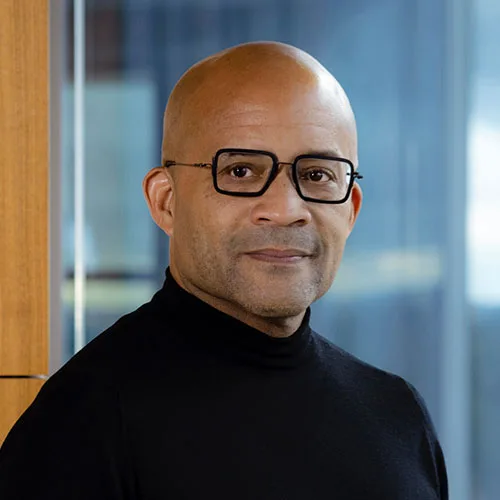
“Microsoft supports collaborations that look holistically across the entire value chain, connecting physical infrastructure with trusted data, AI and digital MRV to help projects reduce risk, and move from ambition to execution. We are working with Aker Solutions to bring these complementary capabilities together and help accelerate credible CCS and carbon removal projects globally,” says Darryl Willis, corporate vice president, energy and resources at Microsoft.
Microsoft’s carbon removal strategy
Microsoft has committed to becoming carbon negative by 2030. It also plans to remove the equivalent of its historical emissions by 2050.
The company has become a major corporate buyer of durable carbon removal. Long-term purchasing agreements have helped provide developers with future revenue visibility while supporting the growth of emerging removal technologies.
The new collaboration expands that role beyond procurement. Microsoft will now contribute technology and market experience earlier in the project development process alongside Aker Solutions.
For developers, that could help connect engineering decisions with data systems, carbon accounting requirements and commercial structures before projects reach the investment stage.
Closing the gap between projects and capital
The CCS and carbon removal markets have attracted growing corporate and government interest, but execution remains difficult. Projects often require significant upfront capital, long development timelines and coordination across multiple infrastructure providers.
For executives and investors, the Aker Solutions-Microsoft partnership highlights the growing convergence between engineering, digital MRV and carbon finance.
That convergence will matter as governments expand carbon management policies and companies pursue increasingly complex net-zero strategies. Projects will need credible engineering alongside transparent data and investable commercial models.
By addressing those elements together, Aker Solutions and Microsoft are seeking to shorten the distance between ambitious carbon management plans and operating infrastructure. The outcome could influence how the next generation of CCS and carbon removal projects is structured, financed and verified across global markets.

The ESG News Editorial Team is comprised of veteran financial journalists and sustainability analysts dedicated to providing real-time, objective reporting on global ESG regulations, climate finance, and corporate governance. Our desk monitors daily developments from the SEC, IFRS, CSRD and international regulatory bodies to ensure our 1M+ readers receive accurate, data-driven insights into the evolving sustainable investment landscape. Follow the ESG News Editorial Team for expert reporting on global sustainability standards, ESG disclosures, and climate policy. Access over 10,000 investigative reports and real-time updates.