EU Urges Delayed Nuclear Phase-Outs To Stabilise Energy Supply, Contain Price Shocks
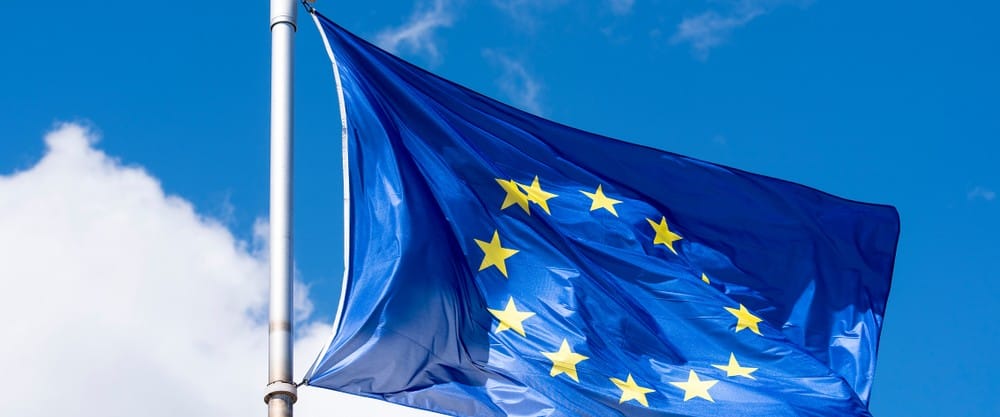
- EU draft guidance calls on member states to delay nuclear plant closures to secure low-cost, low-emission electricity amid geopolitical energy shocks
- Measures aim to reduce reliance on imported fossil fuels and shield households and industry from rising energy prices
- Policy shift reflects growing recognition of nuclear’s role in energy security, system stability, and clean transition targets
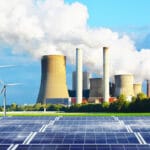
The European Union is preparing to warn member states against shutting down nuclear power plants prematurely, as policymakers confront renewed energy volatility driven by geopolitical tensions and rising fuel costs.
A draft European Commission document, seen by Reuters, outlines a set of emergency and structural measures designed to stabilise energy systems and ease price pressures across the bloc. At its core is a clear message: existing nuclear capacity should remain operational where safe and viable.
Governments are advised to “avoid premature retirement of generation assets, such as existing nuclear facilities that can continue to deliver reliable, low-cost and low-emission electricity,” according to the draft. The document adds that maintaining nuclear output can reduce dependence on fossil fuels in both heating and industrial sectors.
The recommendation forms part of a broader package expected to be published this week, aimed at providing what the Commission describes as “immediate relief” to households and businesses.
Nuclear Reframed As Strategic Asset
The Commission’s position reflects a notable recalibration in Europe’s energy strategy. Nuclear power, once politically contentious in several member states, is increasingly viewed as a stabilising force in a fragmented and price-sensitive energy market.
“Nuclear power plants supply clean power, suitable for enhancing system integration and providing flexibility facilitating further roll-out of other clean technologies,” the draft document states.
European Commission President Ursula von der Leyen reinforced this shift last month, stating that reducing Europe’s nuclear capacity had been a “strategic mistake.” The ongoing Iran war has exposed the bloc’s vulnerability to volatile oil and gas imports, bringing energy security back to the forefront of policy debates.
For executives and investors, the message is clear. Baseload, low-carbon generation is regaining priority as a hedge against geopolitical risk and supply disruptions.
Diverging National Paths
The EU’s guidance lands against a backdrop of uneven national energy strategies. Germany, the bloc’s largest energy consumer, completed its nuclear phase-out in 2023 following long-standing public opposition intensified by the Fukushima disaster in 2011.
Spain remains on track to begin closing its nuclear fleet in 2027, though utilities have already pushed back, requesting extensions for reactors scheduled to shut down first.
In contrast, countries such as Belgium and the Netherlands have reversed or delayed their nuclear exit plans, citing the need for stable, low-carbon electricity to support electrification and industrial resilience.
The Commission’s recommendations are non-binding, leaving final decisions with national governments. Still, the policy direction signals growing alignment around nuclear energy as part of the EU’s transition toolkit.
RELATED ARTICLE: EU Moves to Reinforce Carbon Market Stability With ETS Reform Proposal
Immediate Relief Measures For Households And Industry
Beyond nuclear policy, the draft package outlines a range of interventions aimed at cushioning consumers and accelerating clean energy adoption.
Proposals include cutting electricity taxes, issuing energy vouchers to vulnerable households, and providing financial support for installing plug-in batteries and solar panels. Governments are also encouraged to reduce public transport costs and introduce measures requiring businesses to limit air travel where alternatives exist.
These steps are designed to address both short-term affordability concerns and longer-term decarbonisation goals, particularly as electrification accelerates across sectors.
What This Means For C-Suite And Investors
For corporate leaders and capital markets, the EU’s evolving stance highlights three critical dynamics.
First, energy security is now inseparable from climate strategy. Reliable, domestic low-carbon generation is becoming a core asset in managing price volatility and geopolitical exposure.
Second, regulatory signals around nuclear energy are shifting. While not universally embraced, nuclear is increasingly positioned as complementary to renewables, particularly in ensuring grid stability and supporting industrial demand.
Third, policy frameworks are broadening beyond supply. Demand-side measures, from energy efficiency to transport shifts, are gaining prominence as tools to manage system-wide costs and emissions.
A Pragmatic Turn In Europe’s Energy Transition
The EU’s draft recommendations reflect a more pragmatic phase in its energy transition. Ideological divisions over nuclear power are giving way to a sharper focus on resilience, affordability, and system balance.
As global energy markets remain volatile, the bloc is recalibrating its approach to ensure that decarbonisation does not come at the expense of reliability or economic stability.
For Europe, the stakes extend beyond its borders. The decisions made now will shape not only regional energy security, but also the credibility and pace of global climate commitments in an increasingly uncertain geopolitical landscape.

The ESG News Editorial Team is comprised of veteran financial journalists and sustainability analysts dedicated to providing real-time, objective reporting on global ESG regulations, climate finance, and corporate governance. Our desk monitors daily developments from the SEC, IFRS, CSRD and international regulatory bodies to ensure our 1M+ readers receive accurate, data-driven insights into the evolving sustainable investment landscape. Follow the ESG News Editorial Team for expert reporting on global sustainability standards, ESG disclosures, and climate policy. Access over 10,000 investigative reports and real-time updates.