

General Mills, ADM and Walmart Expand Regenerative Agriculture
- The partnership will support regenerative farming practices across 40,000 wheat acres in Illinois, Indiana and Missouri.
- Farmers will receive technical assistance and financial incentives to adopt practices such as no-till farming and cover crops.
- The project advances corporate commitments covering more than 1 million acres and strengthens climate resilience across a shared food supply chain.
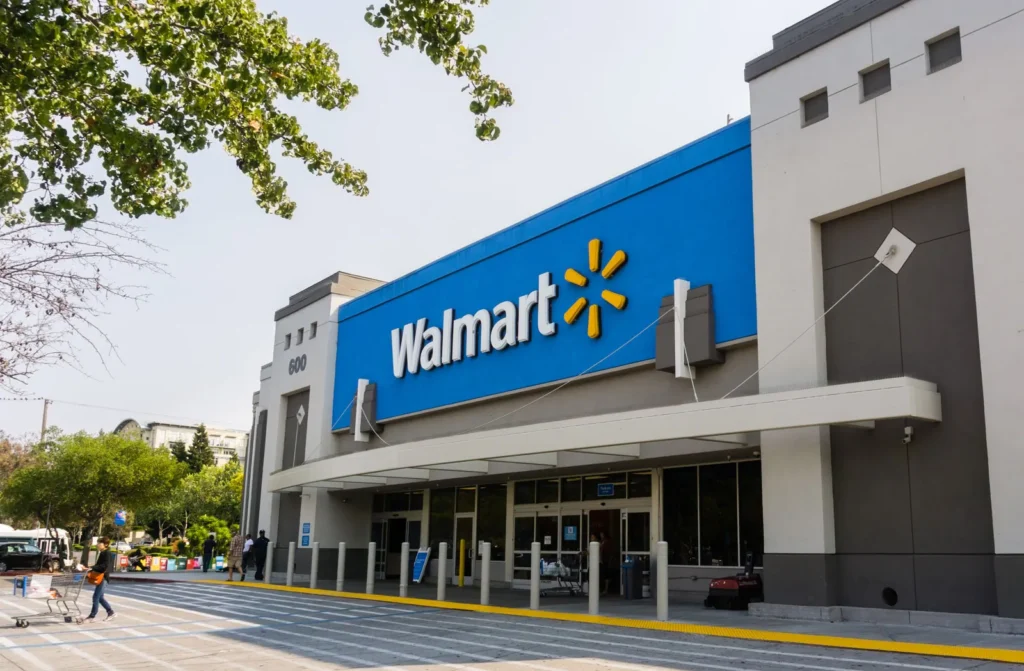
Walmart, General Mills and ADM have launched a regenerative agriculture program covering 40,000 acres of Midwest wheat production.
The collaboration will focus on farming regions that supply ADM with wheat used by General Mills. Those ingredients are then used in products sold through Walmart and Sam’s Club.
The companies aim to improve soil health, water quality and carbon sequestration. They also want to strengthen farmer livelihoods and reduce long-term risks across the food supply chain.
American Farmland Trust and Ducks Unlimited will provide technical support for the initial projects. ADM will manage the program directly with participating farmers in Illinois, Indiana and Missouri.
Financial support targets adoption barriers
Farmers will receive technical assistance and financial incentives to introduce or expand regenerative practices. These include reduced tillage, no-till systems and cover crops.
Such practices can lower erosion, improve soil structure and support water retention. However, adoption often requires new equipment, technical knowledge and upfront investment. Farmers may also face lower yields or operational disruption during the transition period.
The companies’ shared funding model is designed to reduce those early barriers. It also links environmental outcomes to commercial demand from major buyers.
“This strategic collaboration with Walmart and ADM underscores the importance of collective action across the value chain, and we hope it inspires others to see what’s possible when companies invest together,” said Jay Watson, senior director of sustainability at General Mills. “By focusing on the wheat-growing regions that support our shared business, we aim to strengthen the resilience of ingredients for our beloved brands like Pillsbury, Betty Crocker and Totino’s, while supporting farmer livelihoods and the health of our planet.”
For General Mills, the initiative supports its goal of advancing regenerative agriculture across 1 million acres by 2030.
Shared supply chain creates common incentives
General Mills and Walmart previously committed to advance regenerative agriculture across 600,000 shared acres by 2030. Programs are already active across more than 560,000 wheat acres in the United States.
ADM brings additional scale to the partnership. The agricultural processor manages nearly 5 million regenerative acres globally and works directly with farmers across major commodity-producing regions.
“The success of regenerative agriculture depends on the entire value chain. Together with General Mills and Walmart, we’re bridging the gap for farmers to increasingly adopt and expand regenerative practices,” said Katherine Pickus, chief sustainability officer, at ADM. “Partnerships are what power this work and help build farm resilience.”

RELATED ARTICLE: Walmart Releases Mid-Year Culture, Diversity, Equity & Inclusion Report
The structure reflects a broader shift in agricultural sustainability programs. Food manufacturers and retailers increasingly recognise that farm-level emissions, water risks and biodiversity impacts cannot be addressed through procurement standards alone.
Suppliers need financial support, market certainty and practical implementation guidance. Buyers, meanwhile, need reliable data to demonstrate progress against climate and nature commitments.
Walmart links farm economics to supply resilience
Walmart said the program was designed around both environmental performance and farm economics.
“What makes this relationship and this project so unique is that we have taken a true shared value approach to it,” said Mikel Hancock, senior director, strategic initiatives, sustainability at Walmart Inc. “The key component is to be able to continue to make improvements while meeting the needs of farmers and driving economic resiliency within those farms for long-term supply resilience to deliver on what works for our customers and members.”

The initiative also contributes to Walmart’s goal, developed with the Walmart Foundation, to protect, restore or more sustainably manage at least 50 million acres by 2030.
For investors and corporate leaders, the partnership offers a practical model for addressing agricultural risk. Shared financing can spread implementation costs across processors, manufacturers and retailers. It can also improve access to farm-level data across complex supply chains.
Yet measurement will remain critical. Companies will need credible methods for tracking soil carbon, water quality and practice adoption while avoiding double counting between overlapping corporate targets.
The Midwest program provides a test of whether joint investment can deliver verified environmental gains at scale. Its wider value will depend on whether the model improves farm profitability while protecting the wheat supplies behind some of the largest brands in the US food system.

The ESG News Editorial Team is comprised of veteran financial journalists and sustainability analysts dedicated to providing real-time, objective reporting on global ESG regulations, climate finance, and corporate governance. Our desk monitors daily developments from the SEC, IFRS, CSRD and international regulatory bodies to ensure our 1M+ readers receive accurate, data-driven insights into the evolving sustainable investment landscape. Follow the ESG News Editorial Team for expert reporting on global sustainability standards, ESG disclosures, and climate policy. Access over 10,000 investigative reports and real-time updates.


