
Tesla Plans $10.1B Texas Solar Manufacturing Hub
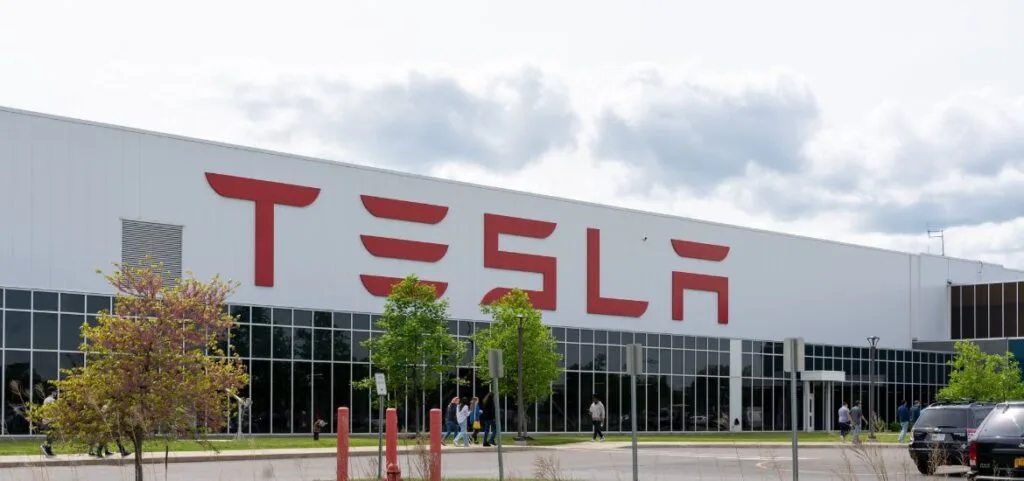
- Tesla is considering a $10.1 billion solar cell and module manufacturing facility in Fort Bend County, Texas, with operations targeted for early 2029.
- Project Crystal Sun could create 9,712 full-time jobs and more than 1,000 construction roles, while sharply expanding Tesla’s U.S. solar manufacturing footprint.
- Tesla is seeking Texas tax incentives for the project as U.S. manufacturers face intense cost competition from China’s solar supply chain.
Tesla proposes major expansion into U.S. solar manufacturing
Tesla is considering a $10.1 billion solar manufacturing complex near Houston as it seeks to expand domestic production of photovoltaic cells and modules.
The proposed development, known as Project Crystal Sun, would be located in Fort Bend County. Tesla disclosed the plans in documents filed with the Texas Comptroller of Public Accounts on August 6.
The facility would produce photovoltaic cells and assembled solar modules. Finished products could serve utility-scale, commercial and residential markets.
If Tesla selects the Texas site, construction could begin in 2026. Commercial operations are targeted for the first quarter of 2029.
The project could eventually support 9,712 full-time jobs. More than 1,000 additional workers would be employed during construction.
For Tesla, the investment would represent a significant expansion beyond its existing solar operations. The company currently engineers solar panels and systems in California and assembles products in Buffalo, New York. That facility has more than 300 megawatts of annual capacity.
Tax incentives emerge as a key factor
Tesla has not yet committed to Fort Bend County. The company is evaluating several U.S. locations and has made state support an important part of its site-selection process.
It is seeking property tax relief through the Texas Jobs, Energy, Technology and Innovation Act, or JETI. The program is designed to attract large capital-intensive projects and associated employment to the state.
Tesla said the Texas location would be less competitive against other potential sites without JETI support.
That puts Project Crystal Sun at the intersection of U.S. industrial policy and growing efforts to localize clean energy supply chains. Solar manufacturing remains heavily concentrated in China, where scale and lower costs have helped producers dominate global markets.
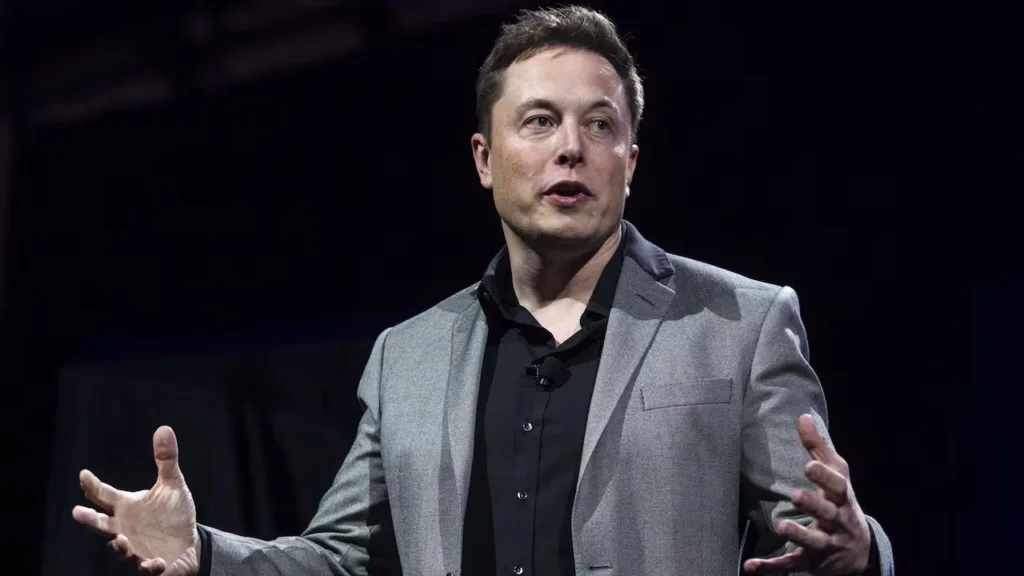
Elon Musk has acknowledged that competitive gap while arguing for greater U.S. capacity.
“That’ll probably take us three years or something,” Musk said earlier this year, referring to plans by Tesla and SpaceX to build a combined 100 gigawatts per year of U.S. solar manufacturing capacity.
He added that China makes solar cells at an “incredibly low cost,” and thus it would be “worth doing large-scale solar” domestically.
RELATED ARTICLE: Tesla Breaks Ground on New Texas Lithium Refinery
Energy demand drives manufacturing strategy
Tesla’s solar ambitions form part of a broader push into energy infrastructure as electricity demand rises.
The company has continued to invest in energy storage production alongside solar and battery technologies. While automotive sales remain its largest business, energy generation and storage have become an increasingly important part of its manufacturing strategy.
Musk has linked further investment to rising power requirements from transport electrification and artificial intelligence.
“There’s going to be tremendous need for electricity in the future,” Musk said during Tesla’s July 22 earnings call. “We’re working on what we believe is the most ambitious build-out of advanced infrastructure and manufacturing capacity ever in history,” he said.
SpaceX is pursuing its own large-scale manufacturing investments in Texas. The company has submitted applications for a 10-gigawatt solar cell factory in Bastrop and is moving ahead with plans for a $16.8 billion semiconductor manufacturing facility in Grimes County.
What executives and investors should watch
For clean energy investors, Project Crystal Sun would add substantial new capital to the U.S. solar manufacturing pipeline. However, the final location and incentive package remain unresolved.
The project also highlights how state tax policy is influencing competition for advanced manufacturing investments. Governments are increasingly using incentives to attract factories tied to energy security, electrification and strategic technologies.
For Tesla, vertical expansion into solar could provide greater control over supply, production costs and technology as electricity demand accelerates.
At a broader level, the proposal reflects the scale of investment required for the United States to compete with established Asian solar supply chains. Whether Fort Bend County secures the project will depend partly on economics, but its potential size shows how energy, industrial policy and AI-driven electricity demand are becoming increasingly connected.

The ESG News Editorial Team is comprised of veteran financial journalists and sustainability analysts dedicated to providing real-time, objective reporting on global ESG regulations, climate finance, and corporate governance. Our desk monitors daily developments from the SEC, IFRS, CSRD and international regulatory bodies to ensure our 1M+ readers receive accurate, data-driven insights into the evolving sustainable investment landscape. Follow the ESG News Editorial Team for expert reporting on global sustainability standards, ESG disclosures, and climate policy. Access over 10,000 investigative reports and real-time updates.