

BII Commits $65 Million to Expand Sustainable Finance in Zambia and Zimbabwe
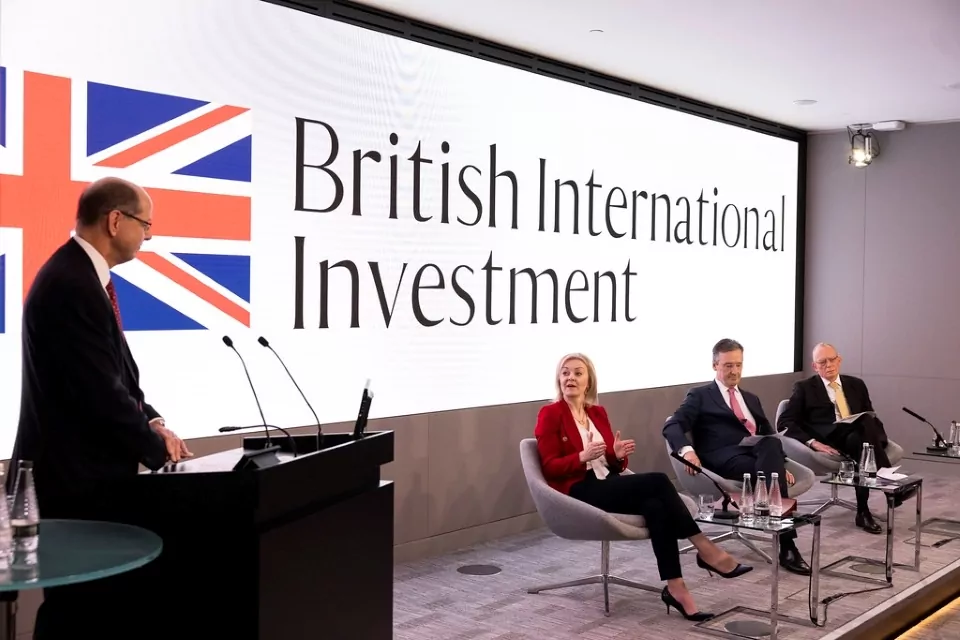
- British International Investment is committing $65 million across Zambia and Zimbabwe as it launches its new five-year strategy in Zambia.
- A $15 million anchor investment will support Zanaco’s debut $100 million Sustainability Bond Programme, Zambia’s first bank-issued sustainability bond.
- A further $50 million will expand agriculture finance in Zimbabwe, while Horizon Zambia will help businesses prepare for private investment.
British International Investment (BII) is committing $65 million across Zambia and Zimbabwe as the UK development finance institution expands its focus on frontier markets.
The financing combines investments in sustainable capital markets and agricultural finance with technical assistance designed to address barriers to private investment.
BII announced the commitments alongside the Zambia launch of its new five-year strategy. The institution is targeting stronger local financial markets and greater private capital participation in productive sectors.
UK Minister for International Development Kirsty McNeill said: “British International Investment shows how the UK is moving from donor to investor, using our capital and expertise to unlock opportunities that can attract even more private investment. BII’s new investments in Zambia and Zimbabwe demonstrate its ongoing commitment to frontier markets, helping these countries to grow and prosper in the long-term. This will create jobs and support climate-resilient agriculture, renewable energy, and women-owned businesses, while helping to create future trade opportunities for the UK.”

Zambia’s First Bank-Issued Sustainability Bond
In Zambia, BII is making a $15 million anchor commitment to Zanaco’s debut $100 million Sustainability Bond Programme.
The programme will deliver Zambia’s first sustainability bond issued by a bank. It is designed to demonstrate how domestic capital markets can finance projects with measurable environmental and social benefits.
Proceeds will support climate-resilient agriculture, renewable energy, SMEs, women-owned businesses and critical social infrastructure.
Around 40% of the capital is expected to come from non-development finance institution investors. That participation could help broaden Zambia’s sustainable finance market and establish a precedent for future issuances.
BII has worked with Zanaco on the programme since 2023. Its technical assistance has focused on the bank’s sustainable finance framework, green financing pipeline, and environmental and social standards.
RELATED ARTICLE: British International Investment, CIP Launch $300 Million India Renewables Platform
$50 Million Targets Zimbabwe’s Agriculture Financing Gap
BII is also providing a combined $50 million facility to Central Africa Building Society and NMB Bank under its Zimbabwe Agriculture Finance Programme.
Agriculture remains central to Zimbabwe’s employment, exports and food security. However, businesses across the sector often struggle to secure long-term capital and trade finance.
The programme combines long-term lending with trade finance. Businesses will be able to finance productive assets and import equipment and other essential inputs.
Technical assistance will also support stronger environmental, social and climate risk management within Zimbabwe’s banking sector.
The structure is intended to address financing constraints while strengthening the capacity of domestic financial institutions to serve agricultural businesses.
Horizon Zambia Targets Investment Readiness
BII is pairing its financial commitments with Horizon Zambia, a country-focused programme targeting broader barriers to investment.
The initiative will provide technical assistance to help businesses become investment-ready. It will also help investors identify opportunities through policy engagement and strategic partnerships.
A pilot launched last year supported 15 SMEs and helped facilitate $8 million of investment.
Horizon Zambia joins similar BII programmes in Sierra Leone, Nepal and Ghana. BII also operates the Africa Resilience Investment Accelerator across multiple frontier markets.
Chris Chijiutomi, Managing Director and Head of Africa, British International Investment, added: “Our investments in Zambia and Zimbabwe demonstrate how we are putting our new strategy into action in frontier markets. Through partnerships with local financial institutions and targeted technical assistance, we are expanding access to long-term finance, strengthening capital markets and helping businesses invest, trade and grow. By doing so, we aim to create the conditions for more private capital to follow.”

For investors and executives, the package shows how development finance is increasingly being used to build markets rather than fund individual projects alone. Local banks, capital-market instruments and technical assistance all form part of that strategy.
If successful, the programmes could create a larger pipeline of investable businesses and sustainable assets. That matters beyond Zambia and Zimbabwe as development institutions seek models capable of drawing more private capital into frontier economies.

The ESG News Editorial Team is comprised of veteran financial journalists and sustainability analysts dedicated to providing real-time, objective reporting on global ESG regulations, climate finance, and corporate governance. Our desk monitors daily developments from the SEC, IFRS, CSRD and international regulatory bodies to ensure our 1M+ readers receive accurate, data-driven insights into the evolving sustainable investment landscape. Follow the ESG News Editorial Team for expert reporting on global sustainability standards, ESG disclosures, and climate policy. Access over 10,000 investigative reports and real-time updates.


