
British International Investment Targets $19B For Emerging Markets, Launches $1.4B Climate Fund
- $19 billion mobilisation plan shifts UK development finance toward private capital partnerships
- $1.4 billion climate platform targets coal-heavy Asian economies with scalable investment structures
- At least 25 per cent of capital directed to Least Developed Countries facing severe funding gaps
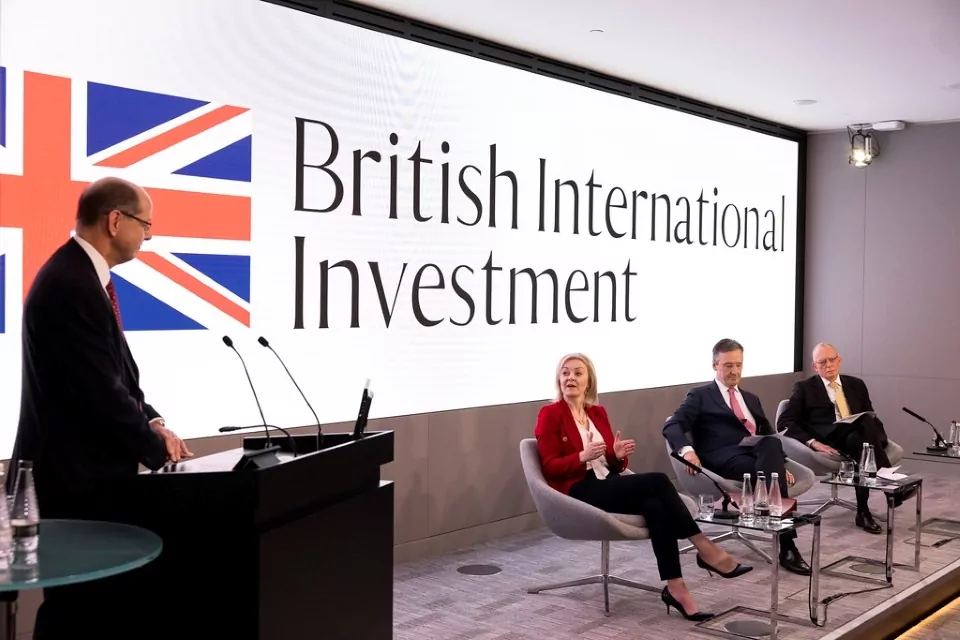
British International Investment has unveiled a five-year strategy to mobilise £15 billion into developing economies, signalling a decisive shift in how the UK approaches global development finance.
The strategy places private capital at its core. BII will contribute up to £8 billion, while the remainder is expected from institutional investors. The institution aims to attract roughly £1 of private capital for every £1 of public investment, based on OECD methodology. This reflects a projected increase of up to 40 per cent compared to its previous strategy cycle.
The approach aligns with broader government priorities to move away from grant-based aid toward investment-led partnerships. It also reflects growing pressure on development finance institutions to deliver measurable economic and climate outcomes while maintaining financial returns.
Minister for Development Jenny Chapman said: “Over the past few months, I have been setting out the need for a new UK approach to development – one moving from traditional aid grants to long-term partnerships that bring investment, expertise and international finance reform together. It also means investing responsibly: bringing everything the UK can offer – from our work through international organisations and our investment tools, to research, practical advice and diplomacy. Used together, this can help businesses grow, create jobs and support the reforms and policies our partners choose for themselves. BII sits right at the heart of this approach, and its new strategy is pulling in the same direction we have set as a Government. I know BII will lead from the front in turning our joint ambitions into genuine results over the next five years.”

Private Capital Becomes The Engine
A central pillar of the strategy is scaling private sector participation in markets often seen as too risky. BII plans to leverage its concessional capital and experience in emerging economies to structure deals that attract pension funds, insurers and asset managers.
Chief Executive Leslie Maasdorp said: “Britain has a proud history of acting as a global leader in international development. BII is committed to demonstrating that a new, mutually-beneficial path exists that creates secure jobs and stable economic conditions in the countries in which we invest, while providing value for money for the UK taxpayer.
We cannot solve the global challenges we all face – poverty, instability, conflict and global public health – without bringing the least developed countries with us on the journey to shared prosperity.”
The emphasis on mobilising private capital reflects a wider shift in development finance. Public funding alone is no longer sufficient to meet climate and infrastructure needs across emerging markets.
$1.4B Climate Push Targets Coal Economies
Alongside the broader strategy, BII launched British Climate Partners, a £1.1 billion initiative aimed at reducing emissions in high-carbon emerging economies.
The platform will focus on countries with coal-dependent energy systems, including India, Indonesia, Vietnam and the Philippines. These markets account for a significant share of global coal demand, with Asia responsible for roughly three-quarters in 2024.
Investment needs remain substantial. India alone requires at least $160 billion annually to meet its net zero goals. Southeast Asia requires a further $210 billion per year through 2030.
British Climate Partners will deploy capital through equity platforms and mezzanine financing. The structure is designed to reduce early-stage project risk while improving returns for commercial investors.
Srini Nagarajan, Managing Director and Head of Asia at BII, said: “Asia’s energy transition will depend on mobilising private capital at scale and British Climate Partners is designed to do exactly that. Through this new initiative, we’ll use our experience, capital and partnerships to build platforms, de-risk projects and crowd in long-term investment into commercially viable climate opportunities across the region.”

BII expects at least 40 per cent of its total investments over the next five years to qualify as climate finance, up from 30 per cent previously.
Sharpened Focus On Frontier Markets
The strategy also deepens BII’s focus on frontier markets, particularly those classified by the UN as Least Developed Countries. At least 25 per cent of investments will be directed toward these economies, where access to private capital remains constrained.
Priority markets include Sierra Leone, Zambia and Nepal. BII plans to combine capital deployment with policy engagement, technical assistance and partnerships to strengthen investment environments.
Chris Chijiutomi, Managing Director and Head of Africa at BII, said: “Africa has been at the heart of BII’s work since our inception. That long track record has given us deep experience of investing through economic cycles and a clear understanding of what businesses need to grow in some of the continent’s most challenging markets.
This strategy builds directly on that experience. By sharpening our focus on frontier markets, investing in high-impact sectors and mobilising domestic and international private capital, we are concentrating our efforts where our capital and expertise can make the greatest difference for African economies.”
What This Means For Investors And Policymakers
BII’s strategy highlights a broader recalibration in development finance. Governments are increasingly positioning public capital as a catalyst rather than the primary funding source.
For investors, this creates new entry points into emerging markets that were previously considered too high risk. Structured vehicles such as British Climate Partners offer a pathway to participate in energy transition projects with improved risk profiles.
For policymakers, the strategy reinforces the importance of aligning capital flows with national development priorities and climate commitments. It also underscores the need for regulatory frameworks that can support long-term investment.
The next five years will test whether blended finance models can deliver at scale. If successful, BII’s approach could shape how global capital is deployed across developing economies, particularly in regions where the gap between climate ambition and available funding remains wide.

The ESG News Editorial Team is comprised of veteran financial journalists and sustainability analysts dedicated to providing real-time, objective reporting on global ESG regulations, climate finance, and corporate governance. Our desk monitors daily developments from the SEC, IFRS, CSRD and international regulatory bodies to ensure our 1M+ readers receive accurate, data-driven insights into the evolving sustainable investment landscape. Follow the ESG News Editorial Team for expert reporting on global sustainability standards, ESG disclosures, and climate policy. Access over 10,000 investigative reports and real-time updates.