Microsoft May Rework 2030 Clean Energy Goal as AI Data Centers Strain Power Strategy, Bloomberg Reports
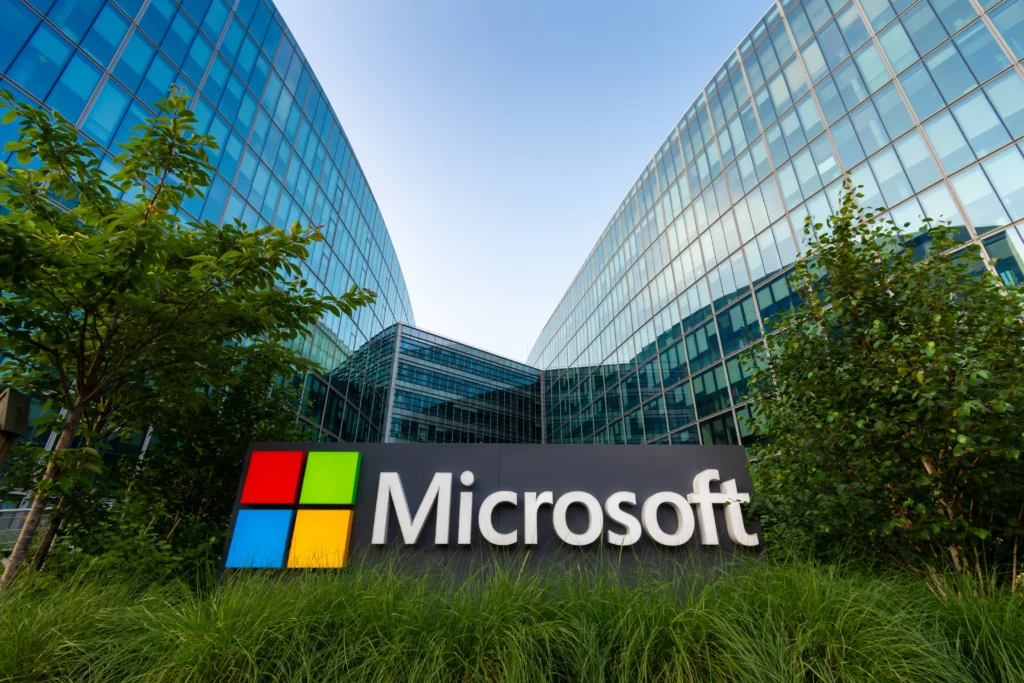
- Microsoft is weighing whether to delay or abandon its 2030 “100/100/0” clean energy goal as AI data center demand accelerates.
- The company has been adding about one gigawatt of capacity every three months, equal to power for roughly 750,000 U.S. homes.
- Any change could reset expectations for Big Tech climate governance as AI growth raises demand for gas, nuclear, renewables, and grid infrastructure.
AI Growth Tests Microsoft’s Clean Energy Promise
Redmond is facing a hard energy reality. Microsoft’s rapid AI buildout is pushing power demand beyond the assumptions that shaped its 2030 clean energy pledge.
The company is considering whether to delay or abandon its “100/100/0” goal, according to Bloomberg. The target aimed to match all electricity use with zero-carbon energy every hour of every day by 2030. Microsoft announced the pledge in 2021, after it had already reached annual renewable energy matching.
The hourly goal was far more ambitious. It required Microsoft to secure clean power in the same locations and at the same times its operations consumed electricity. That matters because annual matching can allow companies to buy enough renewable energy over a year, even when their data centers draw power from fossil-heavy grids at certain hours.
Now, AI has changed the scale of the challenge.
Microsoft is expanding data center capacity at a pace few markets were built to absorb. Some new AI data centers are expected to consume multiple gigawatts each. The company has also been adding about one gigawatt of capacity every three months, roughly equal to power demand from 750,000 U.S. homes.
No final decision has been made. However, even a delay would carry weight across the technology sector.
Power Demand Is Moving Faster Than Grid Supply
Microsoft is not alone. Amazon, Alphabet, and other hyperscalers are spending hundreds of billions of dollars on AI infrastructure. The race is reshaping electricity markets, raising concerns over grid reliability, power prices, and corporate emissions targets.
AI workloads require dense computing power, cooling systems, and continuous electricity supply. As a result, large technology companies need firm power that can run around the clock. In many regions, renewables alone cannot yet meet that requirement without major storage, transmission, and market reforms.
That gap has revived interest in natural gas. Industry executives view gas generation as faster to deploy than many clean power projects, especially where grid connections and permitting slow renewable development.
At the same time, nuclear energy is returning to the center of corporate energy strategy. Microsoft has pursued nuclear-backed power deals, including plans tied to restarting a unit at Three Mile Island. The move reflects a broader search for firm, carbon-free electricity that can support data centers without relying only on fossil fuels.
For policymakers, the issue is no longer theoretical. AI growth is now testing whether climate targets, industrial competitiveness, and grid planning can move at the same speed.
RELATED ARTICLE: Microsoft Pauses New Carbon Removal Credit Purchases
Cost Pressures Reach Sustainability Budgets
The financial stakes are also rising. Microsoft expects to spend $190 billion this year, with AI infrastructure taking a growing share of capital allocation.
That spending is tightening budgets across the business, including sustainability. Internally, the hourly matching goal was already viewed as a stretch. Now, clean energy project spending is facing greater scrutiny as Microsoft weighs cost, reliability, and growth targets.
Still, the company is not walking away from clean energy. Microsoft has signed agreements for 1.2 gigawatts of carbon-free projects in Wisconsin, with operations expected to begin in 2028. Those deals show continued demand for clean power, even as the company reassesses how quickly it can meet hourly matching at global scale.
The question is whether Microsoft can preserve climate leadership while building the infrastructure needed to compete in AI.
What Executives and Investors Should Watch
For C-suite leaders, the Microsoft case is a warning. Net-zero and clean energy targets now face a tougher operating environment. AI demand, grid bottlenecks, and energy security concerns are forcing companies to revisit the assumptions behind long-term climate plans.
Investors will watch how Microsoft explains any change. A clear adjustment, backed by transparent power procurement and emissions data, may limit reputational damage. A weaker or vague retreat could raise governance concerns.
The company has two likely paths. It could adopt a hybrid strategy, using gas and nuclear in the near term while scaling renewables, storage, and grid partnerships over time. Or it could double down on clean energy, accepting higher costs to defend its climate credibility.
Both options carry risk.
For Big Tech, the larger message is clear. AI is becoming an energy strategy as much as a software strategy. Microsoft’s decision could shape how global companies balance growth, climate goals, and power security in the decade ahead.

The ESG News Editorial Team is comprised of veteran financial journalists and sustainability analysts dedicated to providing real-time, objective reporting on global ESG regulations, climate finance, and corporate governance. Our desk monitors daily developments from the SEC, IFRS, CSRD and international regulatory bodies to ensure our 1M+ readers receive accurate, data-driven insights into the evolving sustainable investment landscape. Follow the ESG News Editorial Team for expert reporting on global sustainability standards, ESG disclosures, and climate policy. Access over 10,000 investigative reports and real-time updates.