Fossil Fuel Dependence Drives Global Cost Crisis as UN Urges Faster Clean Energy Shift
- Geopolitical shocks are driving energy price spikes, inflation, and food insecurity across global markets
- Clean energy offers cost stability, with countries saving billions annually on fuel imports
- Over $2 trillion flows into clean energy annually, but developing economies remain critically underfunded
A surge in geopolitical tensions is exposing the structural fragility of fossil fuel dependence, driving a global cost crisis that is hitting households, businesses, and national economies simultaneously.
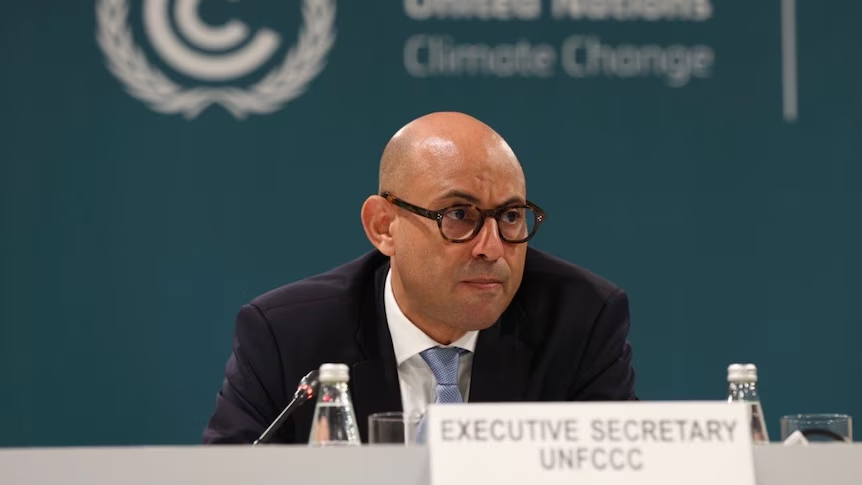
“Fossil fuels are driving a cost crisis for households, businesses and nations. Clean energy is the cure. Because sunlight and wind don’t depend on vulnerable shipping straits,” said the head of UN Climate Change.
War in the Middle East has triggered what the International Energy Agency has described as “the greatest global energy security threat in history.” Oil and gas supply disruptions have pushed prices sharply higher, feeding inflation across sectors.
The economic consequences are immediate. Higher energy costs translate into rising food prices, squeezed household budgets, and margin pressure for companies. The World Food Programme now warns that global hunger could reach record levels this year.
In Somalia, already facing severe drought, prices for essential goods have increased by at least 20 percent. The Philippines has declared a national energy emergency as supply pressures intensify.
Fossil Dependence Exposes Sovereignty Risks
The current crisis highlights a deeper issue. Energy dependence is no longer just an economic concern. It has become a question of national sovereignty and security.
“Fossil fuel dependency rips away countries’ sovereignty and security, putting food prices, household budgets, business bottom lines, and entire economies at the mercy of geopolitical shocks,” the UN climate chief said.
Despite this, some policymakers continue to advocate for increased fossil fuel production. That approach, according to climate leaders, risks locking economies into recurring cycles of volatility.
“With geopolitics in disarray, energy price chaos will keep happening again. Continued dependence on fossil fuels would leave countries forever lurching from crisis to crisis.”
At the same time, fossil fuels remain a central driver of climate risk. Extreme weather events are already inflicting large economic losses. In Mozambique, tropical cyclones have flooded vast areas of cropland and affected more than a million people. In California, wildfires caused over $60 billion in damages last year.
Clean Energy Offers Cost Stability and Strategic Advantage
The alternative is increasingly clear. Accelerating the transition to renewable energy systems offers both economic and strategic resilience.
“The good news is there is a clear solution to both the climate crisis and the fossil fuel cost crisis: accelerating the shift to clean energy systems,” the UN climate chief said.
Renewables provide a structural advantage. Solar and wind energy are not exposed to geopolitical chokepoints or fuel supply disruptions. They also offer the lowest-cost power generation in many markets.
Countries that have moved early are already capturing significant economic benefits. China’s electric vehicle expansion is expected to avoid more than $28 billion annually in oil import costs. Pakistan’s solar growth could reduce gas import spending by up to $7 billion per year by 2026. Spain now reports some of the lowest electricity prices in Europe, driven by renewable deployment.
“Sunlight and wind don’t depend on narrow and vulnerable shipping straits. Clean energy like solar and wind power allow nations to regain control of their economies and security.”
RELATED ARTICLE: NatWest Eases Fossil Fuel Lending Restrictions, Triggering Investor Backlash
Financing Gap Threatens Global Transition
Investment momentum is strong but uneven. More than $2 trillion flowed into clean energy globally last year, double the amount directed toward fossil fuels.
However, capital allocation remains heavily skewed toward developed markets. Vulnerable economies, which face the highest climate risks, receive only a small share of funding.
“That must change urgently. Richer countries and the international financial institutions they control have every incentive to ensure that affordable finance flows to developing nations for climate action.”
The implications extend beyond climate policy. Supply chain disruptions caused by climate disasters are now a significant driver of global inflation, affecting all economies regardless of geography.
Climate Cooperation Becomes Strategic Imperative
Multilateral climate frameworks are increasingly positioned as tools for economic stability, not just environmental protection.
Annual climate conferences have already contributed to major shifts, including a reduction in projected global temperature increases and a transformation in energy investment patterns.
Recent commitments include $1 trillion allocated to grid infrastructure and energy storage to support renewable integration. Further progress is expected at upcoming global climate summits.
“Today’s turmoil underscores the urgency of this work. Climate cooperation is a cure for the chaos of this moment.”
What Executives and Investors Should Watch
For C-suite leaders and investors, the message is direct. Energy volatility is no longer cyclical. It is structural. Exposure to fossil fuel markets now carries geopolitical and financial risk that is increasingly difficult to hedge.
Clean energy investment, by contrast, offers cost predictability, regulatory alignment, and long-term resilience.
“Clean energy and climate resilience are essential, not despite global instability but because of it.”
The speed of transition will define competitive advantage. Those who move early will reduce risk, stabilize costs, and align with evolving policy frameworks. Those who delay may face continued exposure to volatility that is reshaping global markets.

The ESG News Editorial Team is comprised of veteran financial journalists and sustainability analysts dedicated to providing real-time, objective reporting on global ESG regulations, climate finance, and corporate governance. Our desk monitors daily developments from the SEC, IFRS, CSRD and international regulatory bodies to ensure our 1M+ readers receive accurate, data-driven insights into the evolving sustainable investment landscape. Follow the ESG News Editorial Team for expert reporting on global sustainability standards, ESG disclosures, and climate policy. Access over 10,000 investigative reports and real-time updates.