
Amazon Adds 700 MW of Geothermal, Solar and Battery Storage to Power Future Nevada Data Centers
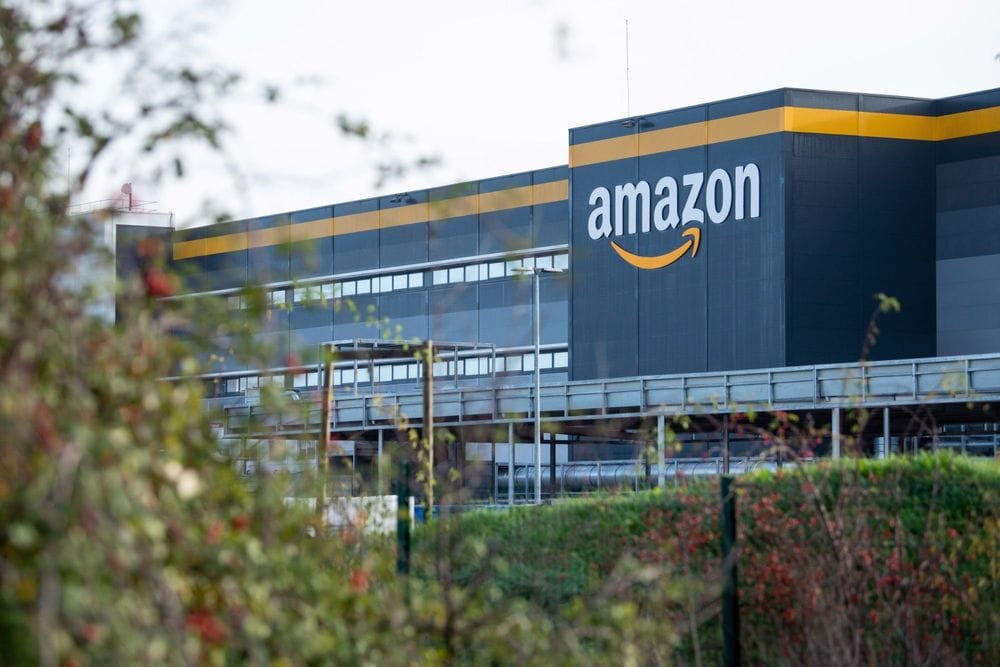
- Amazon is investing in 700 MW of new carbon-free energy capacity in Nevada to support future data center operations near Reno.
- The portfolio includes 100 MW of geothermal power from Zanskar and 600 MW of solar plus 600 MW of battery storage from Primergy.
- Amazon says it will cover all costs tied to powering its data centers, including new energy infrastructure and generation, so costs are not passed on to local residents or businesses.
Nevada, is set to become a test case for how large technology companies meet rising data center demand without adding new pressure to regional power systems.
Amazon is investing in new carbon-free energy projects in Nevada to support future data center operations in the Reno area. The planned projects will bring 700 megawatts of new carbon-free energy capacity onto the grid. That is enough to power the equivalent of more than 222,000 homes in the United States.
The investment combines geothermal power, solar generation and battery storage. Together, the projects point to a wider shift in corporate clean energy procurement. Data center operators are no longer only buying renewable power at scale. They are also looking for around-the-clock reliability, grid resilience and local cost protection.
Amazon said the projects are part of its strategy to support “the transition to carbon-free energy and powering our business with sustainability in mind.”
Geothermal Moves Into Amazon’s Data Center Strategy
The Nevada package includes 100 MW of geothermal power from Zanskar, added to the grid through Amazon’s work with NV Energy.
For Amazon, geothermal is a strategic addition because it can produce carbon-free power continuously. Unlike solar and wind, it is not dependent on daylight, weather conditions or daily production cycles. That makes it especially relevant for data centers, which need reliable electricity every hour of the day.
The company said, “Geothermal is a particularly exciting addition to Amazon’s carbon-free energy portfolio powering our data centers. Unlike other renewable sources that fluctuate with weather or time of day, geothermal harnesses the Earth’s constant internal heat to generate power around the clock.”
Amazon described the Nevada project as its first data center powered in part by dedicated geothermal power. It also said it sees “significant potential for it as a scalable source of firm carbon-free energy.”
That point matters for C-suite leaders and investors watching the next phase of AI and cloud infrastructure growth. As digital demand rises, firms face greater scrutiny over whether clean energy purchases match actual operating needs. Firm clean power could become a more valuable part of corporate climate strategy.
Solar and Storage Add Grid Flexibility
The larger portion of the Nevada plan comes from Primergy. It includes 600 MW of solar capacity and 600 MW of battery storage.
Battery storage is central to the deal’s grid value. It allows solar power produced during peak daylight hours to be stored and dispatched later, when electricity demand is higher or renewable production drops. That improves the usefulness of solar power beyond daylight generation.
Amazon said, “This extends the value of solar generation well beyond daylight hours, exactly the kind of around-the-clock reliability data centers require.”
For Nevada, that storage capacity could support a more flexible power system as large loads connect to the grid. For corporate buyers, it shows how procurement is moving beyond annual renewable matching. The focus is shifting toward energy that can support operations in real time and reduce exposure to grid constraints.
RELATED ARTICLE: Amazon Tests Next-Gen Decarbonization Strategies at New Indiana Facility
Costs, Governance and Local Energy Risk
Amazon is working with NV Energy on the projects and said it will cover all costs associated with powering its data centers. That includes new energy infrastructure and generation.
The company said this approach ensures “those costs are not passed on to residents and businesses in the region.”
That statement is important in a market where data centers can trigger public concern over electricity demand, grid upgrades and local affordability. For policymakers, cost allocation is now part of the governance question. For companies, it is becoming part of the social license to expand.
The Nevada investment also adds to Amazon’s global carbon-free energy portfolio. The company says it now has more than 700 projects totaling over 40 gigawatts worldwide, enough to power more than 12 million U.S. homes.
Amazon said, “These investments don’t just power Amazon’s operations, they add new sources of carbon-free energy to the grid that everyone relies on, helping keep electricity costs stable and affordable for families and businesses.”
For executives, the Nevada deal shows where the clean energy market is heading. Scale still matters. But reliability, storage, local cost protection and firm carbon-free power are becoming just as important. As AI and cloud demand grow, the winners will be companies that can align infrastructure growth with credible climate delivery and stronger grid outcomes.

The ESG News Editorial Team is comprised of veteran financial journalists and sustainability analysts dedicated to providing real-time, objective reporting on global ESG regulations, climate finance, and corporate governance. Our desk monitors daily developments from the SEC, IFRS, CSRD and international regulatory bodies to ensure our 1M+ readers receive accurate, data-driven insights into the evolving sustainable investment landscape. Follow the ESG News Editorial Team for expert reporting on global sustainability standards, ESG disclosures, and climate policy. Access over 10,000 investigative reports and real-time updates.