Uzbekistan Airports, Allied Biofuels Plan SAF Supply By 2030 In $6.1 Billion Clean Aviation Push

- Uzbekistan Airports and Allied Biofuels signed an MOU to develop SAF and e-SAF supply in Uzbekistan, with cooperation planned to begin by 2030.
- Allied Biofuels is developing a $6.1 billion integrated biofuels refinery designed to produce 160,400 tonnes of SAF and 257,000 tonnes of e-SAF annually.
- The project could position Uzbekistan as a Central Asian hub for sustainable aviation fuels, green hydrogen, and zero-carbon transport infrastructure.
Uzbekistan Airports JSC and Allied Biofuels FE LLC have signed a Memorandum of Understanding for Sustainable Aviation Fuel and electro-synthetic Sustainable Aviation Fuel supply.
Cooperation is planned to begin by 2030. The agreement places Uzbekistan inside one of aviation’s most urgent transition debates.
Airlines, airports, fuel producers, and governments face rising pressure to cut aviation emissions. Yet commercial-scale SAF supply remains limited in many emerging markets.
For Central Asia, the deal offers a timely opening. It links aviation growth with clean fuel infrastructure before demand rises more sharply.
Under the MOU, Uzbekistan Airports and Allied Biofuels will establish cooperation around SAF and e-SAF supply. The partnership supports the modernization of Uzbekistan’s aviation sector. It also builds a domestic base for cleaner transport fuels.
For policymakers and investors, the agreement is not only about fuel procurement. It points to a broader state priority. Uzbekistan wants to use clean energy infrastructure to grow its role in aviation, logistics, and industrial decarbonisation.
A $6.1 Billion Refinery At The Center Of The Deal
Allied Biofuels is developing an integrated biofuels refinery in Uzbekistan. The facility will produce SAF, e-SAF, and Green Diesel at industrial scale.
At full capacity, it is projected to produce about 160,400 tonnes of SAF each year. It is also expected to produce 257,000 tonnes of e-SAF and 5,040 tonnes of Green Diesel annually.
The project has an estimated capital value of about $6.1 billion. That makes it one of the region’s largest clean energy infrastructure initiatives to date.
Scale matters in aviation decarbonisation. The sector needs early investment in production capacity, feedstock security, renewable power, green hydrogen, and offtake relationships.
The planned facility is expected to use a 4.45 GW renewable energy system. It will also include a 1,600 MWh battery energy storage system. In addition, the project will use 2.4 GW of electrolysers for green hydrogen production.
Plug Power has been selected as the preferred electrolyser technology provider.
This design links the SAF strategy to a wider industrial platform. The e-SAF component depends on renewable electricity and green hydrogen. As a result, the project could create demand across several clean technology value chains.
Those value chains include grid infrastructure, battery storage, hydrogen equipment, and fuel logistics.
Allied Biofuels continues to receive support from Uzbekistan’s Ministry of Investment and Foreign Trade and the Investment Promotion Agency. That backing will matter as the project moves toward execution.
The next phase will test permitting, financing, technology deployment, and market access.
RELATED ARTICLE: SAF One Secures Up To $30 Million For Middle East SAF Project
Airports Take A Role In Fuel Transition
For Uzbekistan Airports, the MOU extends the role of airport operators beyond infrastructure and passenger movement. Airports are becoming strategic nodes in aviation decarbonisation because they influence fuel access, logistics planning, and long-term route competitiveness.
J.O. Umarkhodjaev, Chairman of the Board of Uzbekistan Airports, said: “Uzbekistan Airports is pleased to take this important step with Allied Biofuels as we continue to support the modernisation of Uzbekistan’s aviation sector and explore practical pathways for the adoption of sustainable aviation fuels.”

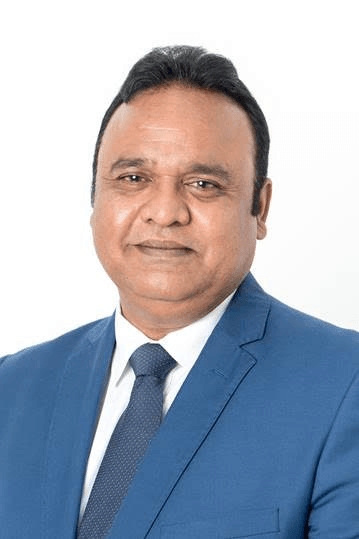
Alfred Benedict, General Director of Allied Biofuels, said: “This MOU is a major milestone for Allied Biofuels and reflects our commitment to supporting Uzbekistan’s transition toward cleaner aviation. We are proud to work with Uzbekistan Airports on a platform that can contribute to the future of sustainable air transport in the region.”
What Executives And Investors Should Watch
The commercial test will be whether Uzbekistan can convert early-stage cooperation into bankable fuel supply. SAF projects often face cost pressure, technology risk, infrastructure gaps, and uncertain demand. However, partnerships with airports can help create the market structure needed for future offtake and distribution.
For C-suite leaders, the MOU shows how aviation infrastructure, clean fuels, and national industrial policy are converging. For investors, the project offers exposure to a large-scale decarbonisation theme in a region still building its clean energy investment profile.
The regional significance is clear. If delivered at scale, the project could help Uzbekistan compete for cleaner aviation routes, attract technology partners, and strengthen Central Asia’s role in global aviation decarbonisation.

The ESG News Editorial Team is comprised of veteran financial journalists and sustainability analysts dedicated to providing real-time, objective reporting on global ESG regulations, climate finance, and corporate governance. Our desk monitors daily developments from the SEC, IFRS, CSRD and international regulatory bodies to ensure our 1M+ readers receive accurate, data-driven insights into the evolving sustainable investment landscape. Follow the ESG News Editorial Team for expert reporting on global sustainability standards, ESG disclosures, and climate policy. Access over 10,000 investigative reports and real-time updates.