
LIV Golf Indianapolis Achieves 84% Waste Diversion, Moves Toward Zero Waste By 2026
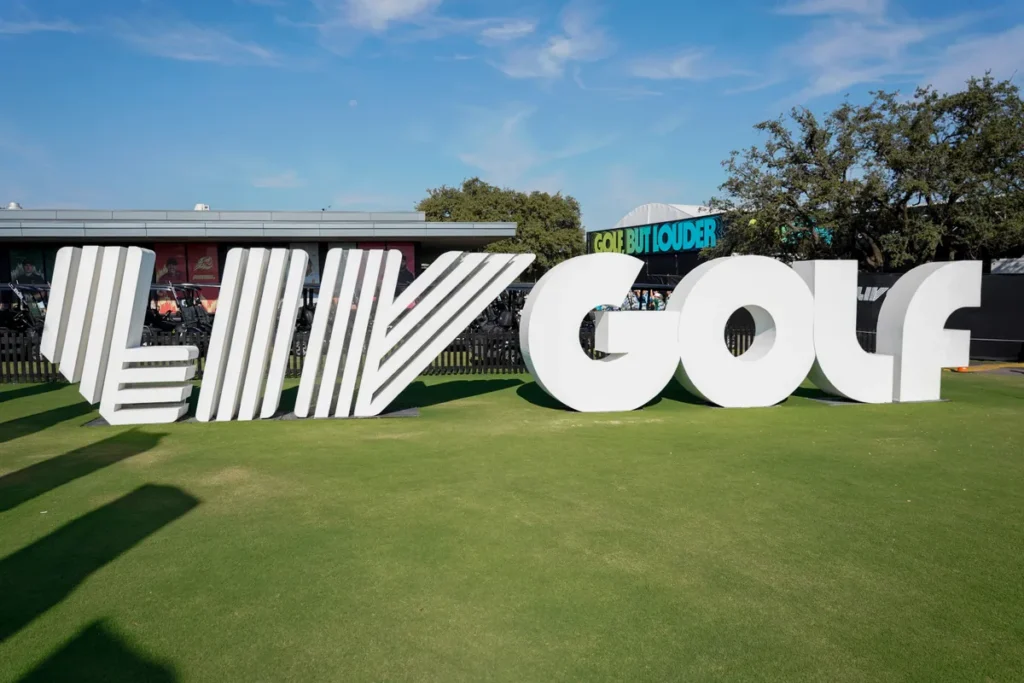
- LIV Golf Indianapolis achieved an 84% waste diversion rate, approaching the 90% threshold required for Zero Waste certification.
- Tournament operations included 100% solar-powered light towers, material recovery programs and a full Scope 1–3 emissions and materials inventory.
- The event combined sustainability operations with community initiatives, including $50,000 in charitable donations and workforce education programs.
A Sports Tournament Reframes Sustainability Standards
LIV Golf Indianapolis delivered one of the strongest environmental performances of the 2025 season, achieving an 84% waste diversion rate and setting the operational foundation to pursue official Zero Waste certification when the tournament returns in 2026.
Held at The Club at Chatham Hills, the event demonstrated how large-scale sports tournaments can integrate sustainability into logistics, infrastructure and community engagement. The performance forms part of LIV Golf’s broader Impact and Sustainability strategy, which the league has positioned as a central pillar of its global operations.
The results were driven by a multi-partner effort. LIV Golf collaborated with Henke Development Group, developer of the host venue, and Par 5 Group, the event management company for the 2025 tournament. Blue Strike Environmental served as sustainability consultant and operational lead, working with the City of Westfield, Visit Indy, Hamilton County Sports Authority and a dedicated Sustainability Committee to design and execute the program.
Infrastructure Designed For Resource Recovery
The sustainability plan emphasized operational systems capable of reducing landfill waste while improving material recovery.
Blue Strike Environmental designed the event’s waste diversion framework, including material recovery pathways and on-site sorting operations. The tournament integrated renewable infrastructure, including solar-powered light towers and battery storage systems, significantly reducing fuel consumption typically associated with large outdoor events.
The official GEO Auditor’s report highlighted the event’s advanced infrastructure and environmental management plan. Measures included protections for nearby wetlands and innovative irrigation strategies that used greywater and collected humidity to maintain landscaping.
Jake Jones, Senior Vice President of Impact and Sustainability at LIV Golf, said the event’s results demonstrate the tangible outcomes of the league’s sustainability framework.
“Achieving an 84% waste diversion rate in Indianapolis is a tremendous milestone and a clear indicator that our Impact and Sustainability strategy is driving real-world results,” Jones said. “Thanks to the incredible collaboration with Par 5 Group, Blue Strike Environmental, Visit Indy, Hamilton County Sports Authority, the Henke family, The Club at Chatham Hills and the local community, we have laid an incredible foundation and achieved a lot of key milestones. We are fully committed to building on this momentum when we return in 2026 and crossing the threshold to official Zero Waste certification.”
Circular Materials Strategy Drives Waste Diversion
Operational teams implemented a comprehensive materials management strategy guided by the waste hierarchy, prioritizing reuse, recycling and composting over landfill disposal.
Several partnerships played a key role in achieving the diversion results. Second Helpings rescued 8,436 pounds of food that would otherwise have gone to waste, while RE317 processed 5,045 pounds of compostable materials. Event infrastructure provider InProduction recovered 85% of mesh materials used at the tournament, and ReWorld converted additional waste streams into energy.
In another operational milestone, all vendors participating in the tournament submitted sustainability data. This enabled organizers to produce a full Scope 1–3 greenhouse gas emissions and materials inventory for the event, providing a detailed accounting of its environmental footprint.
LIV Golf, The Club at Chatham Hills and Duke Energy also collaborated to purchase Renewable Energy Certificates from an Indiana-based solar array, retiring them on behalf of the host venue to offset electricity consumption associated with the tournament.
RELATED ARTICLE: Singapore’s Blueprint to Achieve Net Zero Aviation Emissions by 2050
Kristin Cushman, Founder and CEO of Blue Strike Environmental, said LIV Golf’s internal sustainability requirements are influencing how cities compete to host future events.
“LIV Golf’s internal sustainability requirements have raised the bar in golf, aligning with other leading international leagues that are embedding sustainability into core KPIs and long-term strategy,” Cushman said. “These standards influence host selection, as markets and cities must demonstrate the infrastructure, partners and operational capacity necessary to meet minimum environmental goals. Indianapolis, Westfield and Chatham Hills have met and exceeded the program’s upward trajectory, setting the benchmark. Their strong local infrastructure, engaged partners and collaborative leadership make them an exceptional host and a model for continued sustainability success.”
Community Engagement Expands Impact Strategy
Beyond environmental metrics, the tournament integrated social impact programs tied to the league’s broader Impact strategy.
The event generated approximately $50,000 in donations to local charities while hosting an All-Abilities Golf Clinic aimed at expanding access to the sport. A Fairway Futures Career Day introduced high school students from underrepresented communities to potential careers in sports management and sustainability.
Fan engagement also played a role in the sustainability effort. Volunteers received “Know Before You Go” guides outlining waste sorting procedures and environmental protocols. Digital signage and social media updates shared real-time data on food donations and energy savings during the tournament.
A Blueprint For Future Zero Waste Events
Looking ahead to the tournament’s return in 2026, organizers plan to expand the sustainability program to meet the 90% diversion threshold required for Zero Waste certification.
Planned improvements include expanded composting coverage, new upcycling initiatives, a formal bike-count program to track sustainable transportation and enhanced carbon reduction tracking across operations.
For global sports organizers and host cities alike, the Indianapolis tournament offers a clear case study in how major events can combine operational efficiency, community engagement and environmental performance. As sustainability expectations rise across sports leagues and host markets, the ability to deliver measurable outcomes may increasingly determine where major tournaments land next.
Follow ESG News on LinkedIn

The ESG News Editorial Team is comprised of veteran financial journalists and sustainability analysts dedicated to providing real-time, objective reporting on global ESG regulations, climate finance, and corporate governance. Our desk monitors daily developments from the SEC, IFRS, CSRD and international regulatory bodies to ensure our 1M+ readers receive accurate, data-driven insights into the evolving sustainable investment landscape. Follow the ESG News Editorial Team for expert reporting on global sustainability standards, ESG disclosures, and climate policy. Access over 10,000 investigative reports and real-time updates.