Carlsberg Raises Climate Ambition With Updated Brewing Tomorrow ESG Programme
- Carlsberg introduces new absolute Scope 3 emissions reduction targets aligned with the Science Based Targets initiative while reaffirming its goal of a net zero value chain by 2040.
- The updated Brewing Tomorrow programme follows Carlsberg’s 2025 acquisition of Britvic, which expanded the company’s beverage portfolio and added nearly 1 million tonnes of CO2e to its value chain.
- Four new pillars including Cutting Carbon and Protecting Nature set the framework for emissions reductions, regenerative agriculture expansion, circular packaging and workforce inclusion targets through 2032.
Carlsberg Group has launched an updated version of its global Environmental, Social and Governance strategy, Brewing Tomorrow, raising its climate ambitions while adapting its sustainability roadmap to reflect a significantly expanded beverage portfolio.
The revised programme arrives after the company’s acquisition of Britvic in 2025, Carlsberg’s second largest acquisition in its history. The deal expanded the brewer’s geographic footprint and pushed soft drinks to roughly 30 percent of its portfolio. It also increased the company’s value chain emissions by nearly 1 million tonnes of CO2e, equivalent to a 16 percent rise.
Executives say the refreshed ESG framework is designed to respond to those changes while preserving the company’s long-term commitment to net zero across its entire value chain by 2040.
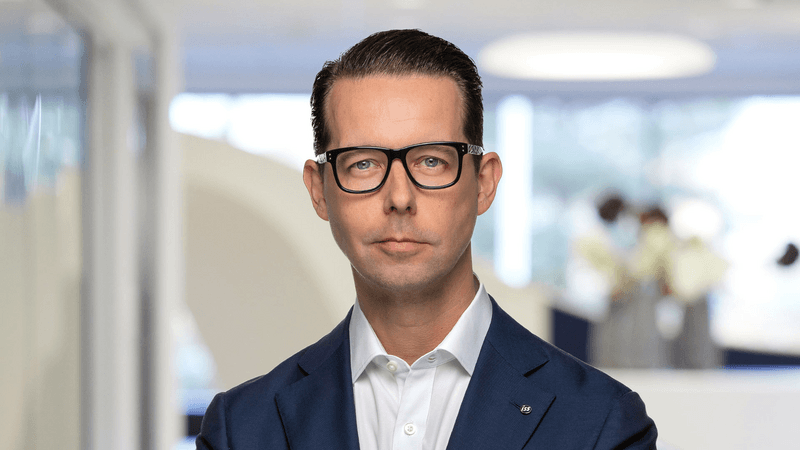
“Carlsberg is on an exciting journey. We are evolving as a company, with a broader portfolio and a wider geographic presence. Brewing Tomorrow is our sustainability road map of action, built on strong performance in the recent years. The aim is clear: to drive impact and ensure Carlsberg is a future-ready business,” said Jacob Aarup-Andersen, Carlsberg Group CEO.
A Simpler Structure With Expanded Climate Targets
The updated strategy is organized around four pillars: Cutting Carbon, Protecting Nature, Empowering People and Inspiring Choice. The framework is intended to provide a clearer operational structure while strengthening targets across climate, resource use and workforce development.
One of the most significant shifts is the move toward absolute emissions reductions across Scope 1, Scope 2 and Scope 3 emissions. Carlsberg has aligned its new targets with the Science Based Targets initiative, widely regarded as the global benchmark for corporate decarbonisation pathways.
The company has also adjusted the timeline for several targets. Because the Britvic acquisition expanded Carlsberg’s value chain emissions, the target year for key programme milestones has moved from 2030 to 2032. Despite the adjustment, the company reiterated that it intends to reach net zero emissions across its full value chain by 2040.
Beyond carbon reductions, the programme introduces deeper commitments to regenerative agriculture, expanded use of recycled materials and new sugar reduction goals reflecting the company’s growing soft drink portfolio.
Operational Progress Across Energy, Packaging and Water
Carlsberg’s updated ESG roadmap builds on several recent operational milestones.
Since 2024, the brewer has achieved a 12 percent reduction in absolute emissions at its production facilities and an 8 percent reduction in near-term value chain emissions. Renewable electricity now accounts for 90 percent of the company’s power consumption.
A growing share of that electricity comes from new renewable assets. In 2025, Carlsberg signed power purchase agreements in Norway, Finland and Sweden and increased the share of electricity sourced from new renewable generation to 19 percent, up from just 6 percent a year earlier.
Operational decarbonisation has also expanded into emerging markets. A new biomass energy facility in Laos now supplies more than 80 percent of the steam used by Vientiane Brewery, replacing fossil fuels and cutting annual emissions by roughly 15,000 tonnes of CO2e.
Circular packaging has also advanced more quickly than expected. Recycled materials now make up 51 percent of bottles and cans, allowing the company to surpass its 2030 target of 50 percent recycled content five years ahead of schedule.
Water stewardship has become another area of focus. Carlsberg replenished 32 percent of water consumed at production sites located in high-risk water regions, doubling the 16 percent achieved the previous year.
RELATED ARTICLE: Deloitte Denmark Aids Carlsberg Group in Navigating New ESG Legislation
Expanding Social and Consumer Commitments
The revised programme also extends beyond environmental metrics.
Under the Inspiring Choice pillar, Carlsberg plans to expand its portfolio of no- and low-alcohol beverages while improving product transparency and consumer information. These offerings already account for 31 percent of brews sold globally.
The Empowering People pillar adds new targets tied to workplace inclusion while maintaining commitments to improve gender representation in leadership. Women now hold 34 percent of senior leadership roles across the company, up from 30 percent in 2024.
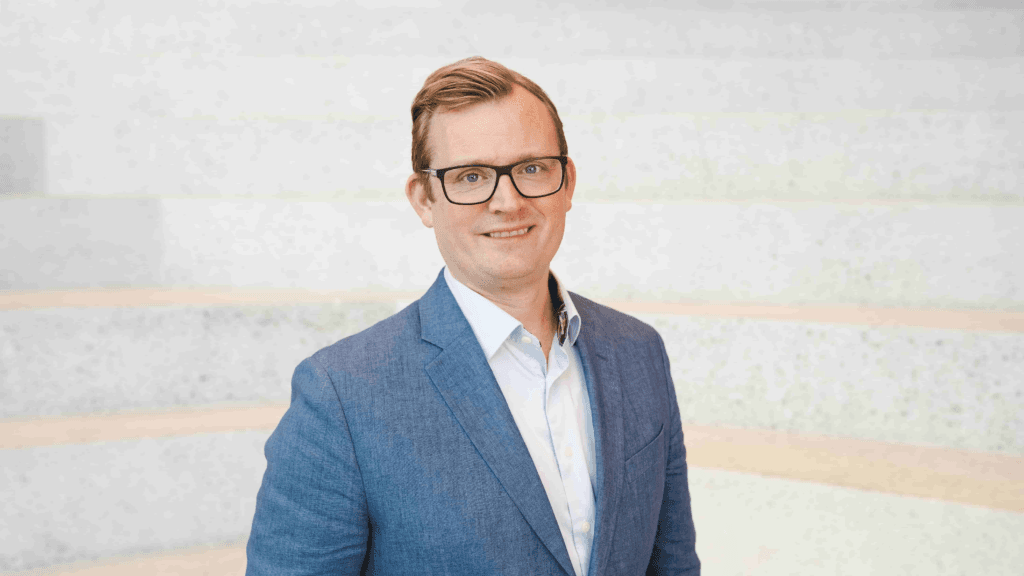
“With Brewing Tomorrow, we are building on our learnings from the past, while updating our focus for the future. The programme is embedded in our business: how we run our operations, how we engage across our value chain, how we develop our people, and how we create more choice across our expanding portfolio. It builds on decades of reducing our impacts, while supporting our business growth. I am proud of the journey we are on and cannot wait to bring it to life with colleagues and partners across the world,” said Simon Boas Hoffmeyer, VP, Group Sustainability & ESG, Carlsberg Group.
A Strategic Response To A Changing Beverage Industry
For multinational beverage companies, ESG strategies are increasingly intertwined with supply chain resilience, regulatory expectations and consumer preferences.
Carlsberg’s revised roadmap reflects a broader shift underway across the sector as brewers and beverage companies adapt their climate targets to more complex value chains and diversified product portfolios.
With regulators tightening disclosure frameworks and investors scrutinizing Scope 3 emissions more closely, corporate climate strategies are evolving from high-level pledges to operational transition plans. Carlsberg’s first consolidated Climate Transition Plan accompanies the new programme, outlining the actions required to reach its 2040 net zero goal.
For global executives and investors tracking the sector, the message is clear. Climate commitments are no longer peripheral to corporate strategy. They are becoming central to how multinational consumer brands manage growth, risk and long-term competitiveness.
Follow ESG News on LinkedIn

The ESG News Editorial Team is comprised of veteran financial journalists and sustainability analysts dedicated to providing real-time, objective reporting on global ESG regulations, climate finance, and corporate governance. Our desk monitors daily developments from the SEC, IFRS, CSRD and international regulatory bodies to ensure our 1M+ readers receive accurate, data-driven insights into the evolving sustainable investment landscape. Follow the ESG News Editorial Team for expert reporting on global sustainability standards, ESG disclosures, and climate policy. Access over 10,000 investigative reports and real-time updates.