
Greenhouse Gas Protocol Appoints Tim Mohin as First CEO as Global Carbon Standards Expand

- GHG Protocol names its first CEO as emissions data becomes central to regulation, capital allocation, and corporate strategy
- COP30 mandate positions the organization at the core of global carbon accounting harmonization through 2028
- Leadership shift aims to strengthen governance, scale standards delivery, and align fragmented reporting frameworks
Leadership Shift At A Critical Juncture
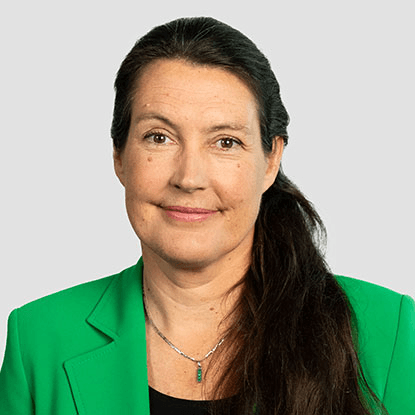
The Greenhouse Gas Protocol has appointed Tim Mohin as its first Chief Executive Officer, formalizing a leadership structure that reflects the growing weight of carbon accounting in global markets.
The move comes as emissions reporting shifts from voluntary disclosure toward regulatory necessity. Governments, investors, and corporations increasingly rely on standardized emissions data to guide capital flows, assess risk, and track climate commitments. Against this backdrop, the Protocol now steps into a more central role in shaping how carbon is measured and reported worldwide.
The appointment also coincides with a major international mandate. Under the COP30 Action Agenda, the organization, alongside the International Organization for Standardization, will lead efforts to harmonize greenhouse gas accounting standards ahead of the 2028 Global Stocktake. This places the Protocol at the center of a process that could redefine comparability across jurisdictions and markets.
A Career Built Across Policy, Business And Standards
“I’ve spent my career at the intersection of corporate sustainability and public policy – across government, global business and standards setting,” said Tim Mohin. “The Greenhouse Gas Protocol underpins corporate climate commitments, regulatory disclosure frameworks, net-zero targets and carbon markets worldwide. This is the most important climate infrastructure job in the world, and this is the moment it matters most.”

Mohin brings a blend of policy and corporate experience that reflects the cross-sector demands of the role. He previously served as CEO of the Global Reporting Initiative and held senior sustainability roles at Intel, Apple and AMD. His background also includes work with the U.S. Environmental Protection Agency and the U.S. Senate, as well as most recently serving as a Partner and Director of Climate and Sustainability at Boston Consulting Group.
He will assume the role by June 1, tasked with guiding the organization through a period of rapid expansion in scope and influence.
“As the role of emissions data continues to expand, the organization is entering a new phase of maturity – strengthening its governance, institutional capacity and global engagement,” Mohin added. “This is a once-in-a-generation restructuring of how the world accounts for carbon. I am excited to help shape that.”
Scaling Governance For A Global Standard
The creation of a CEO position reflects a broader institutional shift. Over the past two years, the Protocol has introduced a Steering Committee and an Independent Standards Board to reinforce governance and oversight. It has also deepened collaboration with other key standard-setting bodies, including the International Sustainability Standards Board and ISO.
“The scale of our work and the pace of change across the reporting landscape bring with them a growing need for a dedicated CEO role,” said Geraldine Matchett, Chair of the GHG Protocol Steering Committee. “This reflects a natural step in GHG Protocol’s institutional maturity and will enable the organization to meet rising expectations while sustaining the integrity and independence of its standards. Tim fits the bill perfectly and is the right leader for this moment.”
RELATED ARTICLE: Greenhouse Gas Protocol Receives USD $9.25 Million Grant from the Bezos Earth Fund
The organization’s influence is already extensive. For more than 25 years, it has operated under the stewardship of the World Resources Institute and the World Business Council for Sustainable Development. Today, 97% of disclosing S&P 500 companies use its standards for emissions reporting.
“At a time when demand for consistent and credible data is accelerating, Tim brings the experience and executive leadership needed to guide the GHG Protocol through its next phase,” said Ani Dasgupta, President and CEO of World Resources Institute. “His appointment strengthens the Protocol’s global role and will help ensure its standards continue to drive alignment, enable comparability and support decision-making across markets and economies worldwide.”

What This Means For Markets And Policymakers
For executives and investors, the appointment signals a shift toward tighter integration between corporate disclosures and regulatory frameworks. As carbon accounting standards converge, the cost of inconsistency across reporting systems is likely to rise. Companies that fail to align risk reduced access to capital and increased scrutiny from regulators.
At the same time, harmonization efforts could unlock efficiencies. A unified framework would reduce reporting duplication, improve data comparability, and support cross-border investment decisions. It would also strengthen the credibility of carbon markets, which depend on consistent and verifiable emissions data.
“Tim brings deep experience, respected leadership, and a strong understanding of the needs of business and other stakeholders,” said Peter Bakker, President and CEO of the World Business Council for Sustainable Development. “We look forward to working with him to ensure the GHG Protocol continues to serve as a robust, trusted set of standards.”

“The creation of a CEO role reflects the Greenhouse Gas Protocol’s continued evolution and growing role in the global carbon accounting ecosystem,” said Pankaj Bhatia, who has led the initiative for over 20 years. “Tim brings strong leadership, supported by a deeply experienced team, to guide the Protocol forward as it scales its impact globally. As I transition from my role and begin the next chapter of my career, I do so with great confidence in the future of the Protocol, with Tim and the team driving this next phase of growth.”
A Defining Period For Carbon Accounting
As climate disclosure frameworks tighten and capital markets demand clearer signals, the infrastructure behind emissions reporting is becoming a strategic asset.
The appointment of a first CEO positions the Greenhouse Gas Protocol to operate with greater authority and coordination at a time when global alignment is both urgent and contested. The outcome of this next phase will shape how governments regulate emissions, how companies report them, and how investors price climate risk across the global economy.

The ESG News Editorial Team is comprised of veteran financial journalists and sustainability analysts dedicated to providing real-time, objective reporting on global ESG regulations, climate finance, and corporate governance. Our desk monitors daily developments from the SEC, IFRS, CSRD and international regulatory bodies to ensure our 1M+ readers receive accurate, data-driven insights into the evolving sustainable investment landscape. Follow the ESG News Editorial Team for expert reporting on global sustainability standards, ESG disclosures, and climate policy. Access over 10,000 investigative reports and real-time updates.