
Bezos Earth Fund Commits $34 Million to Sustainable Textiles Innovation

- $34 million targets next-generation fibers to replace high-impact textiles like cotton, rayon, and synthetics
- Fabric production drives roughly 80% of fashion’s environmental footprint, including emissions, water use, and waste
- Grants span biofabrication, gene-edited cotton, and biodegradable fibers with commercial scalability in focus
The Bezos Earth Fund has committed $34 million to accelerate the development of next-generation textile materials, aiming to reduce the fashion industry’s heavy environmental footprint while maintaining performance, cost, and scalability.
The funding supports leading research institutions across the United States working on alternatives to conventional fibers such as cotton, rayon, and synthetics. These materials dominate global apparel markets but carry significant environmental costs tied to emissions, water consumption, and pollution.
The initiative targets a structural shift in how fabrics are produced. Materials and manufacturing account for roughly 80% of fashion’s total environmental impact. That concentration of impact makes upstream innovation a priority for both climate and resource efficiency strategies.
“Fashion has always inspired me. The craft, the creativity, the way it connects to culture. So when I started asking questions about how clothes are actually made, I couldn’t stop. The science happening right now is incredible. These teams are growing fiber from bacteria, engineering cotton that comes out of the ground in color and creating silk like fibers from compost. That’s not just good for the planet. That’s the future of fashion,” stated Lauren Sánchez Bezos, Vice Chair of the Bezos Earth Fund.

Breakthrough Materials Move Closer to Commercial Reality
The funding is distributed across four major research tracks, each focused on scalable alternatives to resource-intensive textiles.
Columbia University will receive $11.5 million to develop a biodegradable fiber grown from bacteria fed on agricultural waste. The material aims to match the strength, softness, and breathability of existing textiles while requiring minimal land use and avoiding microplastic pollution.
At the University of California, Berkeley, a $10 million grant supports the development of a high-performance fiber inspired by spider silk. The project eliminates reliance on silkworms or petrochemicals, instead using bioengineered processes to achieve comparable durability and flexibility.
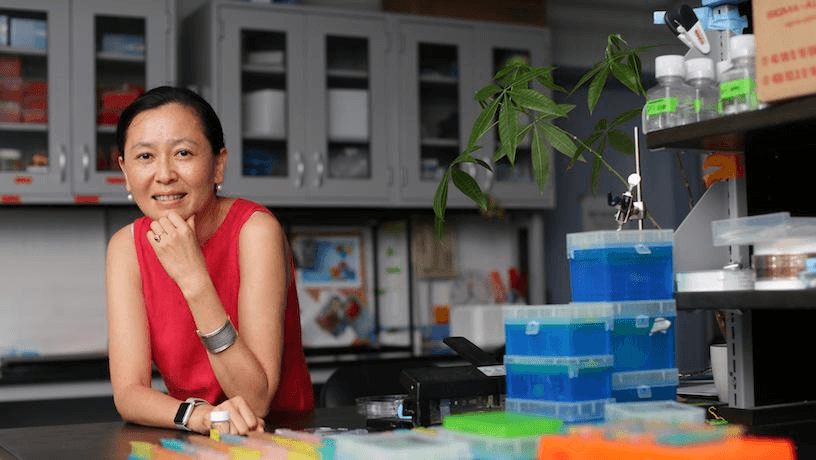
“Our work is built on a passion to create better materials and reduce microplastics in textiles from the start of the process, and this multi-faceted project has incredible potential for the future of fashion,” said Ting Xu, Professor at UC Berkeley. “Support from the Bezos Earth Fund will now help advance the progress our scientists and engineers have made, enabling us to move even faster toward the goal of making these materials a reality in the industry.”

Clemson University will receive $11 million to develop gene-edited cotton varieties with built-in color and improved resilience. By embedding these properties at the biological level, the approach reduces reliance on water-intensive dyeing and chemical treatments.
“This work fundamentally focuses on how we grow fibers that can be inherently better for the planet by moving color, performance, and resilience upstream into the biology of cotton itself,” stated Dr. Christopher Saski of Clemson University. “This approach flips the traditional model that has been used for more than a century to build a future of sustainable fashion, and we’re excited to have support from the Bezos Earth Fund to help us move this research forward and further.”
The Cotton Foundation will receive $1.5 million to restore a global non-GMO cotton seed bank. This resource supports long-term resilience by preserving genetic diversity for future crop development.
RELATED ARTICLE: Bezos Earth Fund Launches $1M Prize for Greenhouse Gas Removal Innovations
Aligning Innovation with Industry Needs
The programme reflects a growing recognition that sustainability in fashion requires more than consumer behaviour change. It demands materials that meet the operational needs of designers, manufacturers, and retailers at scale.
“At the Bezos Earth Fund we’re constantly looking for groundbreaking new solutions at the intersection of climate, nature, people, and communities to ensure we’re protecting and restoring the world we love,” said Tom Taylor, President and CEO of the Bezos Earth Fund. “We believe sustainable fashion is part of that mission by making sustainable clothing choices easy, widely available, and ultimately better for the planet and for people.”

Designers require materials that deliver both aesthetics and performance. Manufacturers need compatibility with existing infrastructure. Retailers depend on consistent quality at competitive price points. The fund’s strategy centres on closing these gaps through scientific advancement rather than incremental substitution.
“The goal of PRISM is to harness the power of cells for the production of next-generation, high-performance, and regenerative fibers for the fashion industry, and the visionary support from the Bezos Earth Fund enables us to address key scientific and technical bottlenecks in biofabrication by creating a digital map of how cells make and assemble materials across life-relevant scales,” said Helen Lu of Columbia University. “Most excitingly, PRISM gives us a unique opportunity to build beyond biology by reverse-engineering nature’s best designs to create brand-new materials that are useful and healthy for the planet.”
Strategic Implications for Climate and Industry
The funding builds on the Bezos Earth Fund’s earlier $6.25 million commitment to sustainable fashion through the CFDA Next Thread Initiative. Together, these efforts signal a deeper move into one of the most emissions-intensive consumer sectors.
For investors and corporate leaders, the shift toward bio-based and regenerative materials presents both risk and opportunity. Companies that adapt early may secure supply chain resilience and regulatory alignment. Those that delay could face rising compliance costs and reputational pressure.
“This investment from the Bezos Earth Fund comes at a critical moment to protect one of agriculture’s most valuable genetic resources,” said Dr. Chad Brewer of the Cotton Foundation. “By strengthening the foundation of cotton genetics, we can advance more resilient, sustainable natural fibers offering safe, scalable alternatives to synthetic materials.”
As climate targets tighten and disclosure frameworks evolve, material innovation is becoming a central lever in fashion’s decarbonisation pathway. The Bezos Earth Fund’s latest investment places science and engineering at the core of that transition, with implications that extend far beyond the runway.

The ESG News Editorial Team is comprised of veteran financial journalists and sustainability analysts dedicated to providing real-time, objective reporting on global ESG regulations, climate finance, and corporate governance. Our desk monitors daily developments from the SEC, IFRS, CSRD and international regulatory bodies to ensure our 1M+ readers receive accurate, data-driven insights into the evolving sustainable investment landscape. Follow the ESG News Editorial Team for expert reporting on global sustainability standards, ESG disclosures, and climate policy. Access over 10,000 investigative reports and real-time updates.