HSBC Backs Circulate Capital With First Green Loan Facility
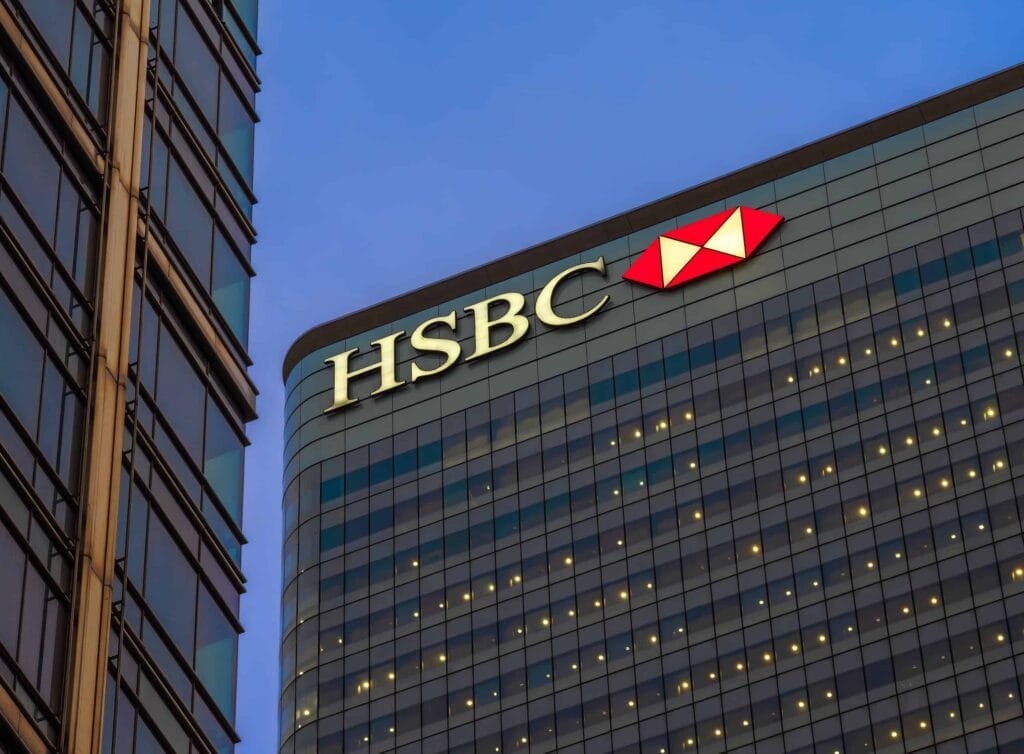
- Circulate Capital has secured a revolving green loan facility with HSBC to support circular economy investments across South and Southeast Asia.
- The facility follows APLMA Green Loan Principles, with proceeds earmarked for packaging, recycling, and materials businesses.
- The deal follows the first close of Circulate Capital Ocean Fund II at $220 million, more than 70% of its $300 million target.
Singapore Deal Targets Circular Supply Chains
Circulate Capital has secured its first green loan facility with HSBC, adding a new layer of liquidity to its circular economy investment platform across South and Southeast Asia.
The revolving facility will support investments into scalable packaging, recycling, and materials businesses. For investors, it gives the fund faster access to capital before traditional limited partner capital calls. For the region, it adds financing capacity to sectors that remain central to waste reduction, resource efficiency, and climate-aligned growth.
The facility has been structured as a green loan under the Asia Pacific Loan Market Association’s Green Loan Principles. That designation means proceeds must be directed toward eligible green projects. In this case, the capital will support Circulate Capital’s mandate to build more resilient circular supply chains in high-growth markets.
DLA Piper advised HSBC on the transaction.
Facility Gives Circulate Capital Faster Deployment Power
The revolving credit facility gives Circulate Capital a flexible source of liquidity for investment activity and working capital needs. It can also scale in size as the fund grows and be extended in duration if required.
That structure matters in private markets. Circular economy businesses often need quick capital to expand infrastructure, secure feedstock, improve processing capacity, or move into new supply chains. A revolving facility can help the fund act faster when those opportunities arise.
For Circulate Capital, the deal is also designed to strengthen both impact and financial performance. Faster deployment can help portfolio companies scale while supporting the fund’s return profile. That balance is central to the firm’s thesis that circular economy investments can deliver measurable environmental outcomes and institutional-grade returns.
Regula Schegg, Founding Partner, CFO & CCO, Circulate Capital, said: “This initiative is strong validation for our investment thesis. The facility enables us to move at the pace required to capitalize on impactful transactions we see in the market, with highly efficient access to capital, to the strategic benefit of our investors. We are proud to be in partnership with an institution of the caliber of HSBC that is committed to supporting us in advancing the circular economy, and we are excited by the opportunities that lie ahead.”

Asia Fund II Builds On $220 Million First Close
The HSBC facility follows the March 2026 first close of Circulate Capital Ocean Fund II, also known as Asia Fund II. The fund closed at $220 million, surpassing the scale of its predecessor and reaching more than 70% of its $300 million target.
Asia Fund II focuses on India, Indonesia, Thailand, Vietnam, the Philippines, and Malaysia. Its target sectors include plastic packaging, electronics, and apparel, all areas where waste, materials recovery, and supply chain redesign carry growing ESG relevance.
RELATED ARTICLE: HSBC Unveil Their First Net Zero Transition Plan
Those markets sit at the centre of global circular economy debates. South and Southeast Asia are fast-growing consumer and manufacturing regions, but many markets still face gaps in recycling infrastructure, waste collection, and materials traceability. For companies and investors, those gaps create both risk and investable opportunity.
HSBC said the facility reflects the role banks can play in mobilising capital for sustainability initiatives where funding remains a constraint.
Green Finance Meets Real-Economy Waste Infrastructure
For C-suite leaders and investors, the transaction shows how green finance is moving beyond renewable energy and into circular supply chains. Packaging, apparel, and electronics are increasingly material to corporate ESG strategies, especially as regulators and customers demand stronger waste and materials accountability.
The deal also points to a wider governance shift. Green loan structures require clearer use-of-proceeds discipline and better alignment between capital deployment and environmental objectives. For fund managers, that creates a stronger link between financing tools, investment strategy, and measurable impact.
Soumitro Mukerji, Partner, DLA Piper, added: “We are proud to have supported our long-standing client HSBC on this landmark green fund financing, which underscores the critical role of innovative financing in advancing the circular economy across Asia. By aligning capital with the APLMA Green Loan Principles, this facility ensures that funding is directed toward solutions that address some of the region’s most pressing environmental challenges. Enabling greater speed and scale of investment, structures like this help accelerate the transition to more resilient, resource-efficient supply chains and demonstrate how financial innovation can drive meaningful, measurable impact at scale.”

The facility gives Circulate Capital more speed in markets where execution matters. It also gives the circular economy another institutional financing model as Asia’s waste, packaging, and materials systems face rising pressure from growth, regulation, and global supply chain scrutiny.

The ESG News Editorial Team is comprised of veteran financial journalists and sustainability analysts dedicated to providing real-time, objective reporting on global ESG regulations, climate finance, and corporate governance. Our desk monitors daily developments from the SEC, IFRS, CSRD and international regulatory bodies to ensure our 1M+ readers receive accurate, data-driven insights into the evolving sustainable investment landscape. Follow the ESG News Editorial Team for expert reporting on global sustainability standards, ESG disclosures, and climate policy. Access over 10,000 investigative reports and real-time updates.