
HSBC Launches $4 Billion Credit Facility to Help China Clean Tech Firms Expand Globally
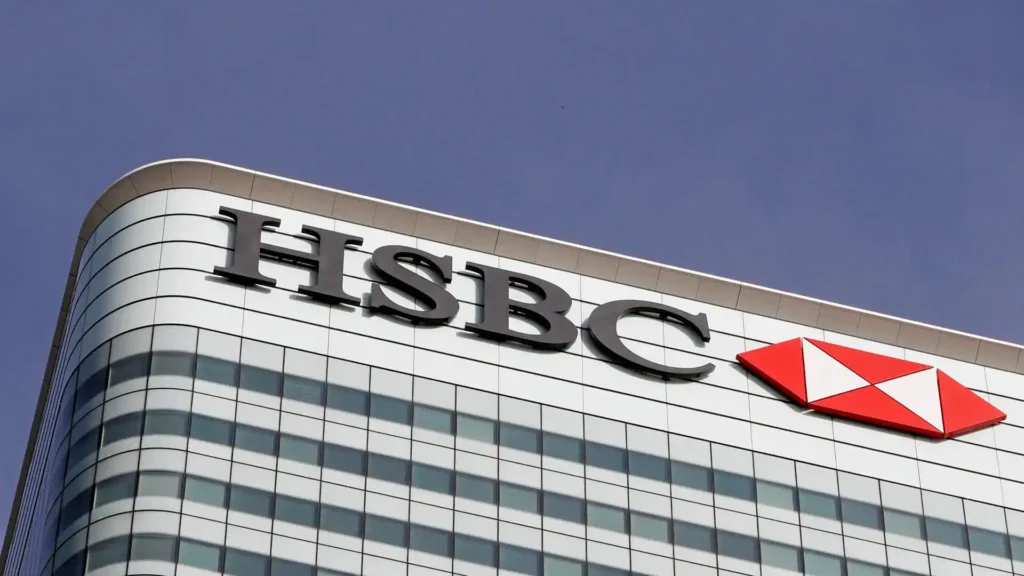
- HSBC’s $4 billion facility will support mainland Chinese companies in sustainable and transition technologies, including clean power, data centres, EVs and AI.
- The credit line comes as Chinese clean tech firms accelerate overseas investment, with more than $180 billion committed abroad since 2023.
- Rising power demand from data centres and EVs is strengthening the financing case for renewable energy, grid capacity and transition infrastructure.
HSBC Targets China’s Clean Tech Export Push
Hong Kong, London and mainland China are now tied more closely to the global energy transition as HSBC launches a $4 billion credit facility aimed at helping Chinese clean technology firms scale beyond their domestic market.
The bank said on Monday that the new Sustainability and Transition Credit Facility will support mainland Chinese companies working across sustainable and transition technologies. Target sectors include clean power, data centres, electric vehicles and artificial intelligence.
The move places HSBC deeper into one of the world’s most competitive transition finance markets. China already dominates global solar and battery supply chains. It is also deploying green technologies at speed as Beijing works to cut emissions, strengthen industrial competitiveness and expand its influence in overseas markets.
For HSBC, the facility offers a direct route into that expansion. The bank said it will extend credit terms, streamline credit approvals and develop tailored financing solutions for eligible companies.
Financing Meets Rising Global Demand
The timing is politically and economically charged. The war involving Iran has intensified concerns over energy security, adding pressure on governments and companies to diversify away from fossil fuel exposure. In many markets, wind and solar are already cheaper than conventional fuel sources, making the finance case stronger for renewable deployment.
At the same time, power demand is rising across major growth industries. HSBC research expects global electric vehicle sales to pass 26 million in 2026. Meanwhile, the International Energy Agency has estimated that electricity use from data centres could nearly double by 2030, reaching 945 terawatt hours.
That demand creates a dual challenge for investors and policymakers. Clean energy supply must grow, but so must grid capacity, storage, manufacturing scale and transition infrastructure. Chinese companies are already central to many of those value chains.
HSBC’s facility is designed to help those firms secure capital as they enter new markets, build overseas production capacity and serve customers under stricter climate and supply chain expectations.
China’s Low-Carbon Manufacturers Look Overseas
Chinese clean technology companies are no longer only competing on cost. Many are also moving up the manufacturing curve, with stronger positions in batteries, solar, EV components, grid equipment and energy storage.
“China is home to some of the world’s most dynamic low-carbon companies” that are “setting new benchmarks in high-end manufacturing,” said Natalie Blyth, HSBC’s global head of sustainable finance and transition.
“As they scale internationally, they need financial partners with the global reach and expertise to support them. This facility is designed to provide exactly that,” Blyth said.

RELATED ARTICLE: HSBC Asset Management Closes HSBC Sustainable Balanced Fund
The scale of capital already moving offshore is significant. Chinese firms have committed more than $180 billion to overseas clean tech investments since 2023, according to a December report by Australian research group Climate Energy Finance.
That flow of money matters for C-suite leaders and investors. It shows that the clean tech race is no longer confined to domestic subsidy regimes or national climate targets. It is becoming a global competition over manufacturing location, technology access, trade rules and financing networks.
What Executives Should Watch
For executives, HSBC’s facility points to three strategic shifts.
First, transition finance is becoming more targeted. Banks are moving beyond broad sustainability lending and building credit lines around specific industries, markets and growth corridors.
Second, Chinese clean tech firms are becoming more global. Their expansion will affect pricing, procurement, supply chain resilience and competition across Europe, Asia, the Middle East, Africa and the Americas.
Third, energy demand from EVs, AI and data centres is changing the investment case. Companies that manage clean power access, grid exposure and energy procurement early may gain a stronger cost and compliance position.
The facility also raises governance questions. As Chinese firms expand abroad, they will face more scrutiny over supply chain transparency, labour standards, local content rules and carbon accounting. Financing partners will have to manage those risks alongside growth opportunities.
HSBC’s $4 billion commitment is therefore more than a lending programme. It reflects how global banks are positioning themselves around the next phase of the energy transition, where capital, industrial policy and clean technology supply chains increasingly move together.

The ESG News Editorial Team is comprised of veteran financial journalists and sustainability analysts dedicated to providing real-time, objective reporting on global ESG regulations, climate finance, and corporate governance. Our desk monitors daily developments from the SEC, IFRS, CSRD and international regulatory bodies to ensure our 1M+ readers receive accurate, data-driven insights into the evolving sustainable investment landscape. Follow the ESG News Editorial Team for expert reporting on global sustainability standards, ESG disclosures, and climate policy. Access over 10,000 investigative reports and real-time updates.