
Alphabet’s Self-Driving Car Company Waymo is Recycling its Old EV Batteries
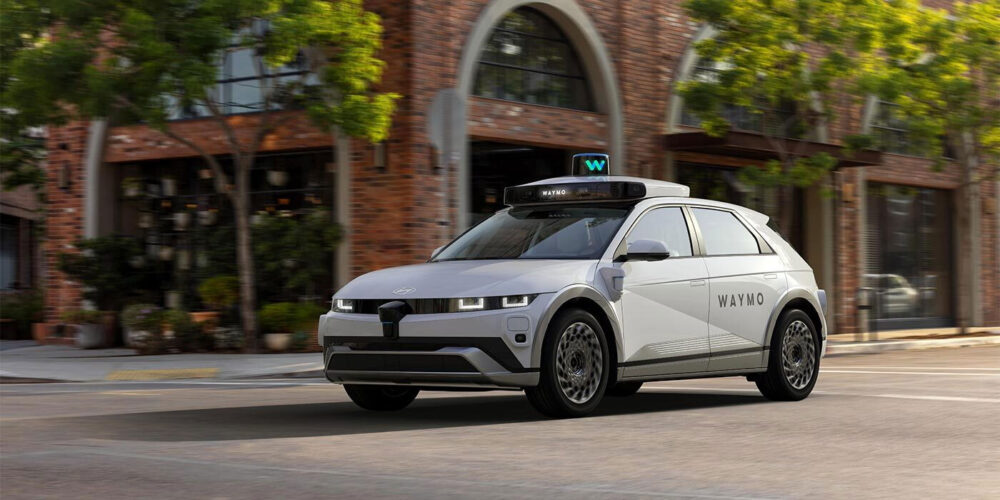
- Waymo will repurpose retired batteries from its all-electric autonomous fleet into stationary grid storage systems with B2U Storage Solutions.
- The first deployments will focus on California and Texas, two markets with high renewable energy output and rising grid-balancing needs.
- B2U estimates each reused EV battery can add $8,000 to $10,000 in additional electric power value before final recycling.
Waymo Looks Beyond the Road for Battery Value
California and Texas are becoming the first testbeds for a new second-life battery model linking autonomous mobility, renewable energy, and grid resilience.
Alphabet-owned Waymo is partnering with B2U Storage Solutions to repurpose retired electric vehicle batteries from its autonomous ride-hailing fleet into stationary energy storage systems. The move gives Waymo’s batteries a second commercial use after they leave the road.
For companies managing large EV fleets, the deal points to a growing governance and finance issue. Batteries are not only a vehicle component. They are also long-lived assets with residual value, climate implications, and end-of-life obligations.
Waymo operates a fully autonomous, all-electric robotaxi fleet. Its vehicles are more intensively used than personal cars, which means batteries may reach retirement from road use faster.
“The average personal vehicle is parked, but ours are shared and highly utilized,” said Adam Lenz, head of sustainability and environment at Waymo. That higher utilization rate could create a more frequent supply of retired batteries for second-life storage.
Waymo said its fleet is making about 500,000 trips each week. Morgan Stanley has estimated that autonomous rides in the U.S. could rise from about 15 million in 2025 to around 36 million this year. That growth brings a larger question for operators, regulators, and investors. As electric autonomous fleets scale, battery reuse could become part of the sector’s social license to operate.
Second-Life Batteries Move Into Grid Markets
B2U has been repurposing EV batteries since 2020. The company has worked with automakers including Nissan and Tesla, and now adds Waymo’s fleet batteries to its supply base.
The process is straightforward but technical. Batteries are removed from vehicles, tested, and packed into 9-foot-tall cabinet systems that resemble small shipping containers. Each cabinet contains dozens of used EV batteries.
The systems capture excess solar energy when demand is low. They later release electricity into wholesale power markets when the grid needs supply.
“We’re literally plugging them in and charging them when prices are low—when there’s a lot of sun or wind, when supply is plentiful—and then discharging them after the sun is setting,” said Freeman Hall, B2U’s chief executive.

B2U estimates that one cabinet could power an average home for up to three months. The company also says each reused battery can generate $8,000 to $10,000 in added electric power value before it is ultimately recycled.
That economics matter. Battery storage has become critical as grids absorb more solar and wind. Yet newly manufactured storage systems can carry material, supply chain, and cost pressures. Second-life systems offer a lower-cost pathway while extending the useful life of batteries already produced.
RELATED ARTICLE: Alphabet announces re-brand to focus on sustainability
California and Texas Offer the First Grid Test
The first deployments will focus on California and Texas. Both states have abundant solar resources, and both face grid-balancing challenges as renewable generation grows.
Texas has become a major market for solar and wind generation. Its grid has also drawn intense scrutiny after reliability failures and demand spikes. California has long faced similar pressure as solar generation peaks during the day and fades in the evening.
For Waymo, the strategy is not only about waste reduction. It also links directly to the power systems that support electric mobility.
“By deploying EV batteries for beneficial second use, we can source renewable energy for our fleet,” Lenz said.
In a separate statement, Lenz added:
“Our shared fleet of EVs provide a massive opportunity to support the growth of clean energy on the electricity grid while expanding the circular economy. Through this partnership, we can repurpose our batteries for local grid storage and ensure our batteries continue to provide economic and environmental value to the community long after they’ve retired from the road.”
Circular Economy Moves From Concept to Balance Sheet
The partnership gives investors another lens on EV fleet economics. Battery reuse can reduce waste, delay recycling costs, support renewable energy procurement, and create value from assets that might otherwise be written down.
For B2U, the agreement strengthens its position in a niche that could expand as EV fleets mature. The company says its systems provide a safe, cost-effective, and circular alternative for grid-scale storage projects.
“This agreement marks a significant milestone in B2U’s mission to provide integrated repurposing services to the automotive industry. By extending the use of these batteries as grid storage, we are monetizing the full potential of EV batteries, now providing crucial stability to the power grid as energy demand continues to grow.”
Hall also framed the model as a shift in how companies view industrial assets.
“To take an asset made for one purpose and use it for a different purpose—it is fairly novel,” Hall said.
For C-suite leaders, the lesson is broader than autonomous vehicles. Battery strategy is becoming a governance issue across transport, energy, and technology. Companies that can track battery health, prove safe reuse, and manage final recycling may gain a financial edge.
Waymo’s partnership also shows how climate strategy is becoming more operational. Cleaner transport depends on cleaner grids. Cleaner grids need flexible storage. Retired EV batteries can help bridge that gap.
If autonomous mobility grows as expected, the second life of batteries may become as important as their first.

The ESG News Editorial Team is comprised of veteran financial journalists and sustainability analysts dedicated to providing real-time, objective reporting on global ESG regulations, climate finance, and corporate governance. Our desk monitors daily developments from the SEC, IFRS, CSRD and international regulatory bodies to ensure our 1M+ readers receive accurate, data-driven insights into the evolving sustainable investment landscape. Follow the ESG News Editorial Team for expert reporting on global sustainability standards, ESG disclosures, and climate policy. Access over 10,000 investigative reports and real-time updates.