Charm Industrial Secures 61,500-Ton Carbon Removal Deal and $20 Million Financing From JPMorganChase
- JPMorganChase will purchase 61,500 tons of carbon removal credits from Charm Industrial over multiple years.
- The new agreement brings JPMorganChase’s total carbon removal purchases from Charm to 90,000 metric tons of CO₂ equivalent.
- A separate $20 million venture debt facility will help Charm expand Colorado operations and process forest residues tied to wildfire mitigation.
JPMorganChase Deepens Carbon Removal Bet
Colorado is becoming a test bed for one of the carbon market’s hardest questions: how to scale permanent carbon removal while solving local climate risks.
Charm Industrial has expanded its strategic relationship with JPMorganChase through a new 61,500-ton carbon dioxide removal purchase and a separate $20 million venture debt facility. The deal adds fresh capital to Charm’s Colorado operations, where the company processes forest biomass that could otherwise fuel wildfires across the Rockies.
The purchase builds on JPMorganChase’s earlier 28,500-ton commitment announced in 2023. Together, the agreements bring the bank’s total carbon removal purchases from Charm to 90,000 metric tons of carbon dioxide equivalent. That makes it one of the largest bilateral offtakes for bio-oil carbon removal in the sector.
For carbon removal developers, the structure matters. Long-term offtake agreements help companies secure revenue visibility. Debt financing can then support expansion without relying only on equity rounds. For buyers, the deal reflects a shift toward durable removal portfolios with measurable delivery.
Permanent Removal Moves From Pilot to Procurement
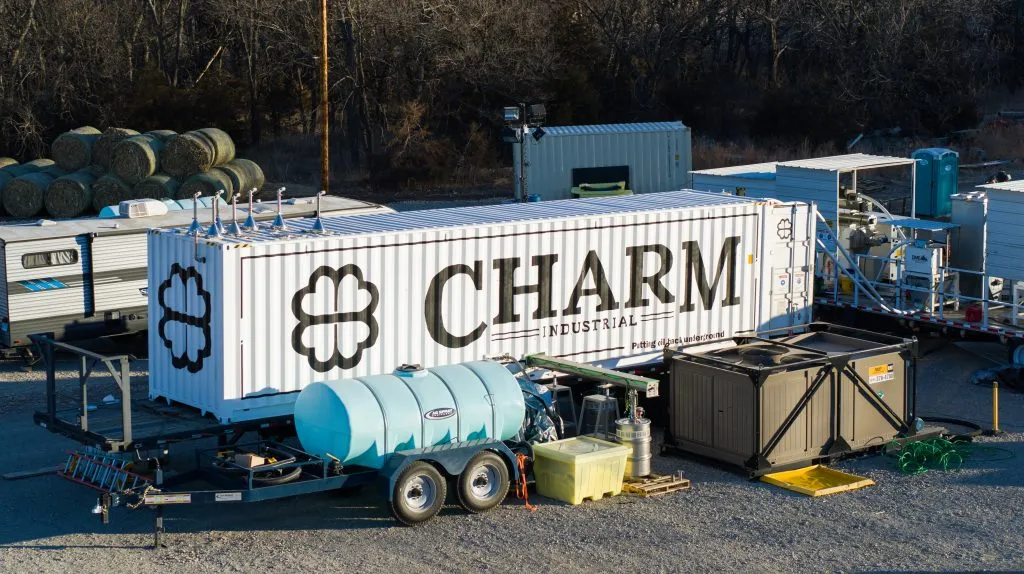
Charm’s model focuses on permanent carbon dioxide removal through bio-oil injection. The company converts biomass into carbon-rich bio-oil, then injects it deep underground into permitted storage wells. The carbon is intended to remain stored for geological timescales.
Charm also works with biochar, applying it to farm fields to store carbon for hundreds of years. The company said the new 61,500 tons represent additional removals beyond previously announced volumes.
For investors and sustainability teams, delivery is central. The voluntary carbon market has faced growing scrutiny over quality, durability, and verification. Permanent removal purchases are increasingly being judged by whether projects can deliver real tons, not just future claims.
Peter Reinhardt, CEO and Co-Founder, Charm Industrial, said: “JPMorganChase is helping build the infrastructure for a permanent carbon removal industry. Having a sophisticated, mission-aligned financial institution come back for a second, larger purchase while also stepping up with growth capital is exactly the kind of validation that tells us we’re on the right path. Colorado has become our home base for a reason: the ability to take forest material that would otherwise fuel devastating wildfires in the Rockies and convert it into permanent underground carbon storage is exactly the kind of high-value, high-impact work this partnership makes possible. We couldn’t be more excited about what we’re building together.”

RELATED ARTICLE: JPMorgan Chase To Spend $200 Million on Carbon Dioxide Removals
Colorado Financing Targets Wildfire Risk
The $20 million venture debt facility will support Charm’s commercial growth in Colorado. The capital will help expand pyrolysis and injection operations, including work linked to Charm’s Fort Lupton facility.
It will also support the processing of unsaleable forest residues from wildfire mitigation projects. These materials often create cost and logistics problems for forest managers. Charm’s model turns that biomass into feedstock for permanent carbon storage.
The company said the financing will also support rural economic development. That includes new jobs and workforce development for pyrolyzer operators in the state.
The wildfire connection gives the deal a broader policy angle. In high-risk regions of the American West, forest fuel reduction is becoming a public safety priority. Yet these projects can be costly to execute at scale. If carbon removal revenue helps lower the cost of biomass processing, it could create a wider climate and resilience model.
What Executives Should Watch
For C-suite leaders, this transaction points to three trends shaping carbon removal procurement.
First, large buyers are moving beyond small pilot purchases. JPMorganChase is increasing its commitment after an earlier deal with Charm, which gives the market a stronger demand signal.
Second, quality is becoming a governance issue. Companies using carbon removals will face rising pressure to explain durability, verification, and delivery risk.
Third, carbon removal is being linked to regional resilience. Charm’s Colorado expansion connects corporate climate procurement with wildfire mitigation, rural jobs, and land management.
Taylor Wright, Head of Operational Sustainability, JPMorganChase, said: “Our initial purchase with Charm marked an important step as we expanded our ambition in carbon removal and refined how we assess quality and deliver real impact across our portfolio. This new purchase—bringing our total to 90,000 tons—together with financial support from our business, reflects how our portfolio has matured over time and Charm’s track record of delivering measurable, durable outcomes across its projects. We look forward to continuing this work as we support the scaling of the carbon removal market.”

The deal also shows how banks can act as both carbon credit buyers and growth capital providers. That dual role could become more common as the market matures.
For global climate and ESG leaders, the significance is clear. Permanent carbon removal is still a young industry. But deals that combine offtake, financing, local resilience, and measurable delivery are starting to define what credible scale may look like.

The ESG News Editorial Team is comprised of veteran financial journalists and sustainability analysts dedicated to providing real-time, objective reporting on global ESG regulations, climate finance, and corporate governance. Our desk monitors daily developments from the SEC, IFRS, CSRD and international regulatory bodies to ensure our 1M+ readers receive accurate, data-driven insights into the evolving sustainable investment landscape. Follow the ESG News Editorial Team for expert reporting on global sustainability standards, ESG disclosures, and climate policy. Access over 10,000 investigative reports and real-time updates.