
UK Government Steps Up Action to Tackle Illegal Deforestation in Supply Chains
- Great Britain plans mandatory due diligence rules for businesses with annual turnover above £1 million using forest-risk commodities and wood products.
- The proposed regime will cover wood, cattle, cocoa, coffee, palm oil, rubber, soy and derived products such as chocolate and furniture.
- Legislation is expected in 2027, while EU deforestation rules will apply in Northern Ireland from 30 December 2026.
UK Moves to Close Deforestation Gaps in Supply Chains
The UK government is preparing tougher deforestation rules for everyday products, from coffee and chocolate to cosmetics and furniture, as it seeks to reduce the environmental impact of British consumption.
The government confirmed during London Climate Action Week that it intends to introduce new regulations in Great Britain. The plans include using powers under the Environment Act 2021 and strengthening the UK Timber Regulation.
The move builds on the UK’s COP26 commitment to halt and reverse forest loss and land degradation by 2030. It also responds to rising pressure from retailers, campaigners and international partners for clearer supply chain standards.
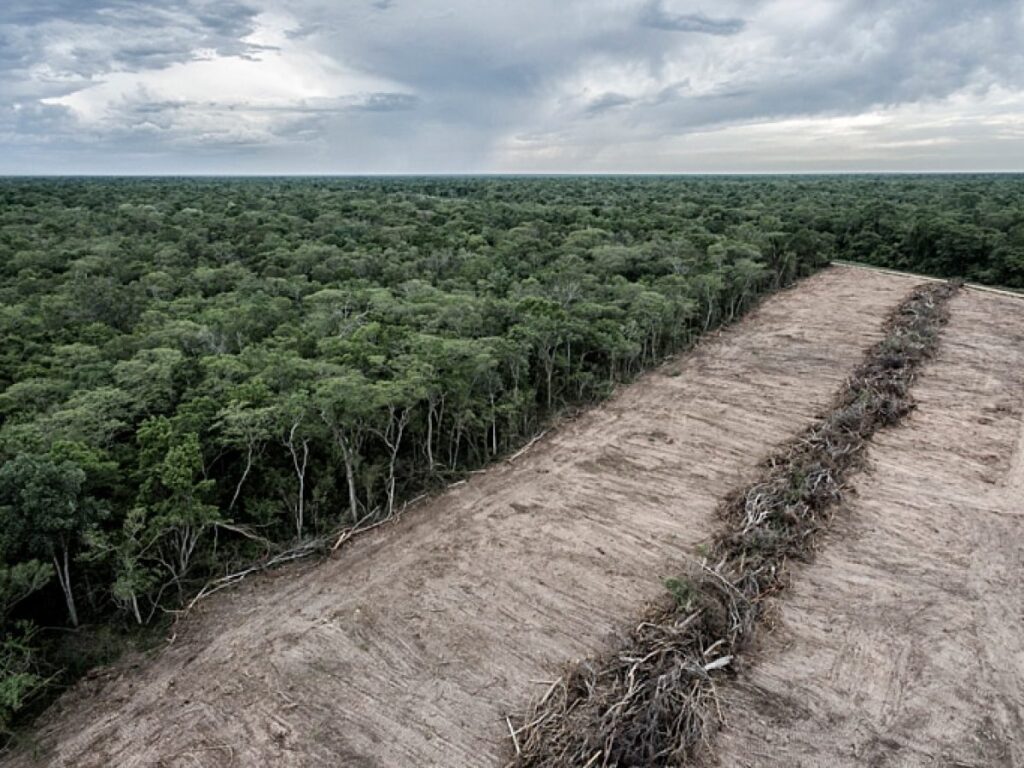
Around 90% of global deforestation is driven by agricultural expansion. Much of that is linked to internationally traded commodities. In 2023, UK consumption of these goods was associated with about 29,000 hectares of deforestation worldwide. That is around one and a half times the size of Manchester. It also generated 9.4 million tonnes of related carbon emissions.
Due Diligence Rules Will Target Forest-Risk Commodities
Under the proposed Great Britain regime, businesses with annual turnover above £1 million would need to conduct due diligence on forest-risk commodities and wood products.
The scope is expected to include wood, cattle, cocoa, coffee, palm oil, rubber, soy and certain derived products, including chocolate and furniture.
Businesses would need to establish due diligence systems, report on their activity and hold proof that products were produced in line with relevant local laws. They would also need to collect geolocation data showing the origin of specific products.
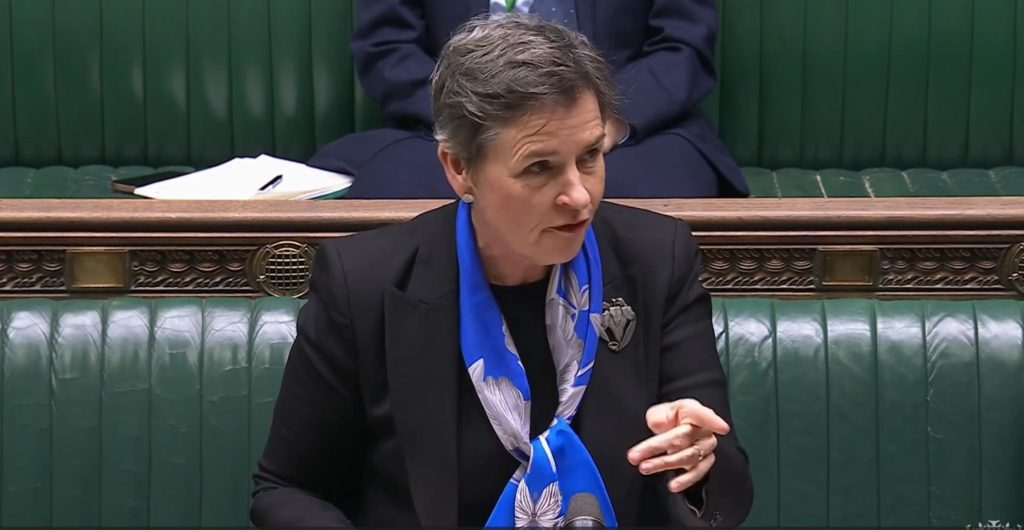
Nature Minister Mary Creagh said: “Tackling global deforestation is one of the most effective ways we can address climate change and protect some of the world’s most unique and precious wildlife. That is why we are leading by example and scrutinising our own supply chains. Eliminating products linked to illegal deforestation not only helps to protect precious ecosystems but is good for our collective resilience and long-term prosperity.”
The government plans to consult businesses, civil society and international partners later this year. Legislation to implement the regime in Great Britain is expected in 2027.
RELATED ARTICLE: UK Emissions Drop 2% to 367 Million Tons in 2025
Alignment With EU Rules Becomes a Trade Priority
The UK also intends to align key parts of the Great Britain regime with the EU Regulation on Deforestation-Free Products, known as the EUDR.
That alignment carries direct trade implications. The EUDR will apply in Northern Ireland under arrangements that preserve its access to the EU single market. Large and medium operators will need to comply from 30 December 2026.
Micro and small operators will also face phased obligations. For wood products already covered by the EU Timber Regulation, rules apply from 30 December 2026. For other relevant products, rules apply from 30 June 2027.
The government said its Great Britain approach should reduce regulatory divergence between Great Britain and Northern Ireland. It also aims to protect the UK internal market and support exporters selling into the EU.
Andrew Opie, Director of Food & Sustainability at the BRC, said: “Retailers welcome today’s announcement. We have long called for UK deforestation regulation as an important step in driving forest conservation across retail supply chains in line with business commitments, while supporting alignment with the EU where possible to avoid unnecessary costs and complexity for retailers and their customers. However, with the EU regulation due to take effect in Northern Ireland at the end of the year, it is important that the Government takes a pragmatic approach to enforcement to minimise disruption for businesses and consumers.”

Retailers and Investors Face New Traceability Demands
For C-suite leaders, the proposed regime raises the bar on supply chain governance. Companies will need stronger traceability systems, supplier controls and documentation across commodity sourcing.
For investors, the rules add another compliance layer to deforestation risk. Companies exposed to agricultural commodities, food manufacturing, retail, timber, packaging and consumer goods will face closer scrutiny.
Gavin Crowden, Director of Advocacy at WWF, said: “The UK Government has warned that the collapse of tropical forests in places like the Amazon and Indonesia is a national security risk, not just an environmental one. We rely on these forests for food and climate stability, and they’re home to extraordinary wildlife. With new rules finally coming into force in Northern Ireland at the end of the year, there is no excuse for further delay that would leave shoppers in the rest of the UK still unwittingly driving the destruction of the rainforest.”
The government’s longer-term ambition is to move toward a deforestation-free standard. That would go beyond illegal deforestation and require relevant products to be free from any deforestation.
For global markets, the UK plan adds to a broader shift in climate and nature regulation. Supply chains once managed mainly through voluntary commitments are moving into mandatory disclosure, proof of origin and legal accountability.

The ESG News Editorial Team is comprised of veteran financial journalists and sustainability analysts dedicated to providing real-time, objective reporting on global ESG regulations, climate finance, and corporate governance. Our desk monitors daily developments from the SEC, IFRS, CSRD and international regulatory bodies to ensure our 1M+ readers receive accurate, data-driven insights into the evolving sustainable investment landscape. Follow the ESG News Editorial Team for expert reporting on global sustainability standards, ESG disclosures, and climate policy. Access over 10,000 investigative reports and real-time updates.