
Bloomberg Philanthropies Commits $285 Million to Scale Clean Energy in High-Growth Markets
- Bloomberg Philanthropies will commit $285 million to strengthen clean energy industries in emerging and developing economies.
- The support targets countries responsible for nearly 70% of global power sector emissions.
- The initiative aims to help solar and wind generate more than half of electricity in target markets by 2030.
Clean Energy Gets a $285 Million Push as Power Demand Surges
Bloomberg Philanthropies has committed $285 million to help clean energy scale fast enough to meet rising global electricity demand.
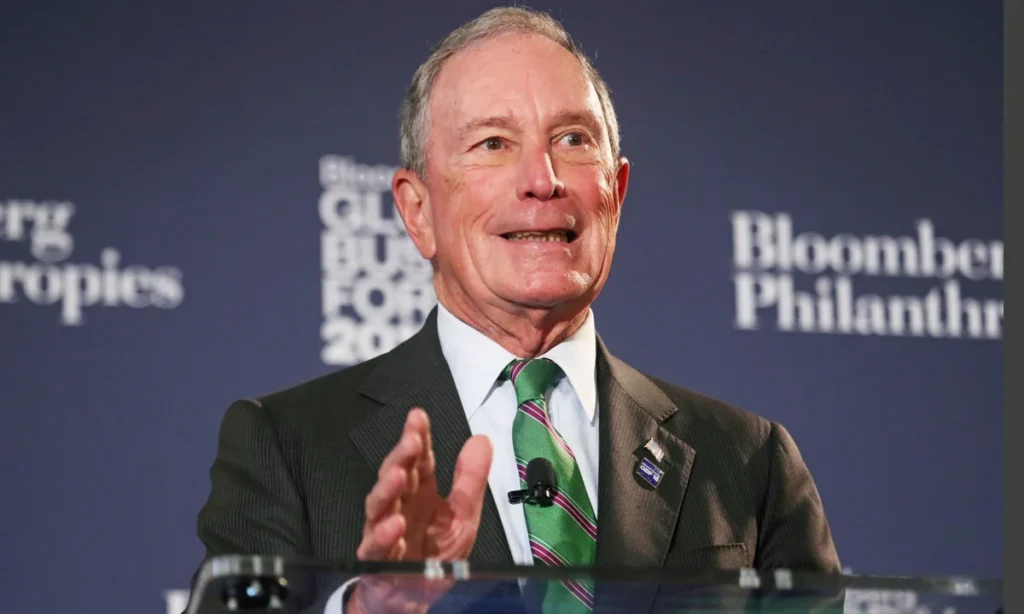
The commitment, announced by Michael R. Bloomberg, UN Secretary-General’s Special Envoy on Climate Ambition and Solutions, will focus on emerging and developing economies. These markets face fast growth in electricity use from industrial expansion, artificial intelligence, electrification, and energy security concerns.
The funding will support clean energy industries as they seek a larger role in national energy planning, finance, and market design. Many of these decisions have long been shaped by incumbent fossil fuel interests.
“Clean energy is now cheaper than fossil fuels in virtually every part of the world, and as a result, its share of global power production is growing,” said Michael R. Bloomberg, UN Special Envoy on Climate Ambition and Solutions and founder of Bloomberg L.P. and Bloomberg Philanthropies. “But fixable obstacles are still slowing down deployment – and with energy demand rising at an unprecedented speed, we can’t allow those obstacles to continue standing in the way of lower energy costs for households and businesses, and cleaner air and water for communities. This new investment will help ensure they don’t.”

Closing the Market Gap
Clean energy has moved from climate ambition into mainstream power economics. Renewables reached 34% of global electricity generation in 2025, overtaking coal’s 33% share for the first time in about a century. By 2030, renewables and nuclear are projected to generate half of global electricity.
Yet the pace of deployment remains uneven. In many high-growth markets, solar and wind industries still lack the institutional power, data systems, financing links, and technical capacity held by older energy sectors.
Bloomberg Philanthropies said the new funding will help close that gap. The work will strengthen clean energy industry associations and regional networks. It will also support technical research, economic analysis, and regulatory assistance.
The aim is direct: help governments and investors create market conditions that unlock private capital for clean energy infrastructure.
Barbara Buchner, CEO of Climate Policy Initiative, said: “Renewable energy is the world’s fastest-growing power source, but that growth is uneven. Markets with great potential are often the ones where the foundational prerequisites like strong policy frameworks, institutional capacity, industry coordination, and reliable data are still being established. Directing resources towards closing those gaps is what turns potential into bankable opportunity, and that is what this commitment does.”

Why Investors and Policymakers Should Watch
For investors, the initiative targets a core barrier in emerging markets: bankability. Low-cost technology alone does not guarantee project flow. Developers still need policy clarity, functioning grids, credible data, and institutions that can engage with regulators and finance providers.
For governments, the work offers support at a critical stage. Electricity demand is rising while countries balance affordability, energy security, industrial growth, and emissions targets.
RELATED ARTICLE: Bloomberg Expands ESG Toolkit With Flexible Indices for Investor Exclusions
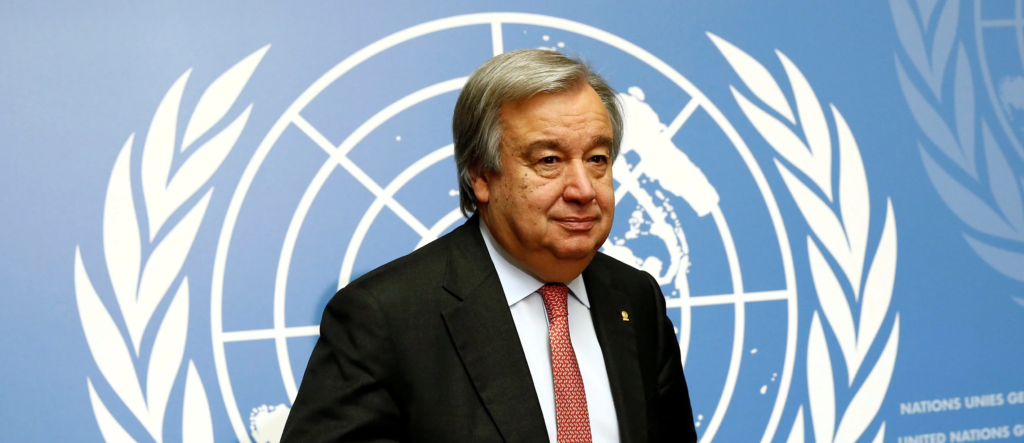
“The clean energy age has arrived,” said António Guterres, United Nations Secretary-General. “As demand for power surges, it must now scale fast in the economies that need it most. Michael Bloomberg’s commitment does exactly that – backing the industries that will power homes, lower bills, lift economies, and clear the air for billions. Together, let’s bring the renewables revolution to every corner of the world.”
The funding will focus on countries that account for nearly 70% of global power sector emissions. Bloomberg Philanthropies wants solar and wind to generate more than half of their electricity by 2030.
That goal will require stronger grids, storage integration, faster permitting, and clearer investment rules. It will also require local industry bodies that can shape energy policy with technical credibility.
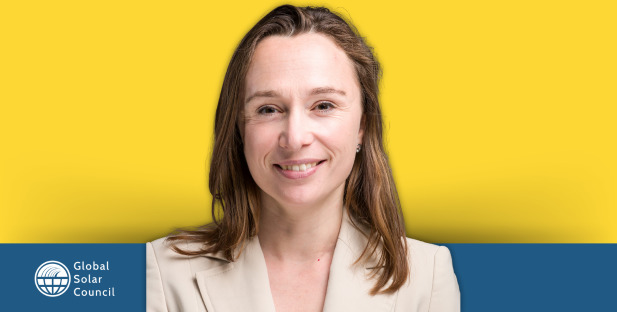
Sonia Dunlop, CEO of the Global Solar Council, said: “Competitive technology alone doesn’t build a new energy system. In market after market, we see the same story: the economics are there, the projects are ready, but what slows us down is the institutional and political representation gap. Renewable energy associations that can engage effectively in grid planning, market design, and finance aren’t a peripheral concern. They are what turns a country’s energy potential into actual power on the grid. That is what this investment recognizes, and it is long overdue.”
A Decade of Climate Finance Moves Into Its Next Phase
The commitment builds on more than a decade of Bloomberg-backed climate work. Bloomberg Philanthropies first supported the Beyond Coal campaign in the United States in 2011. It expanded the work internationally in 2017.
Since then, supported efforts have contributed to the cancellation of nearly 450 coal plants across four continents. They also helped create conditions for more than 1,100 GW of clean energy capacity, enough to power about 300 million homes.
The next phase is less about proving clean energy can compete. That case has largely been made. The challenge now is execution at scale.
For C-suite leaders, the message is practical. Power markets are entering a period where demand growth, industrial strategy, and climate policy are converging. Countries that build strong clean energy institutions will compete more effectively for capital, technology, and jobs.
For emerging economies, the stakes are even higher. Clean energy deployment can lower power costs, reduce pollution, and strengthen energy security. But only if markets can move from targets to projects.
Bloomberg Philanthropies’ latest commitment places that institutional gap at the center of the transition. Its success will depend on whether clean energy industries can gain the capacity and influence needed to shape the next era of global power growth.

The ESG News Editorial Team is comprised of veteran financial journalists and sustainability analysts dedicated to providing real-time, objective reporting on global ESG regulations, climate finance, and corporate governance. Our desk monitors daily developments from the SEC, IFRS, CSRD and international regulatory bodies to ensure our 1M+ readers receive accurate, data-driven insights into the evolving sustainable investment landscape. Follow the ESG News Editorial Team for expert reporting on global sustainability standards, ESG disclosures, and climate policy. Access over 10,000 investigative reports and real-time updates.