UK to Tighten Deforestation Rules for Coffee, Cocoa, Soy and Palm Oil Supply Chains

- UK consumption of forest-risk commodities was linked to about 29,000 hectares of global deforestation in 2023.
- Proposed rules will require businesses in Great Britain to prove key supply chains are not linked to illegal deforestation.
- The UK plans to align core requirements with Northern Ireland’s phased EUDR regime to reduce duplication and support EU trade.
UK Moves to Regulate Forest-Risk Supply Chains
The UK government is preparing new rules to stop everyday products sold in Britain from contributing to illegal deforestation abroad.
The measures, confirmed during London Climate Action Week, will target commodities often grown in rainforest regions. These include soy, palm oil, cocoa and rubber. They are widely used in chocolate, cooking oils, shampoo, cosmetics and other consumer goods.
Under the proposals, businesses in Great Britain that trade in these commodities will need to conduct checks across their supply chains. The aim is to prove their products are not linked to illegal forest clearance.
The government plans to use powers in the Environment Act. It also intends to strengthen the UK Timber Regulation. A formal consultation with businesses, civil society and international partners will follow later this year.
For companies, the message is clear. Voluntary action is no longer enough to manage deforestation risk across complex global supply chains.
Why the Rules Matter for Climate and Nature
Forests remain central to climate stability, carbon storage and biodiversity protection. Yet agricultural expansion continues to drive most forest loss worldwide.
Around 90% of global deforestation is linked to agricultural expansion. Much of that is tied to commodities traded internationally.
In 2023, UK consumption of these goods was associated with about 29,000 hectares of deforestation worldwide. That is around one and a half times the size of Manchester. It was also linked to 9.4 million tonnes of carbon emissions.
The proposed rules seek to reduce that footprint by forcing greater traceability. They will also give consumers more confidence that supermarket products are not connected to illegal forest destruction.
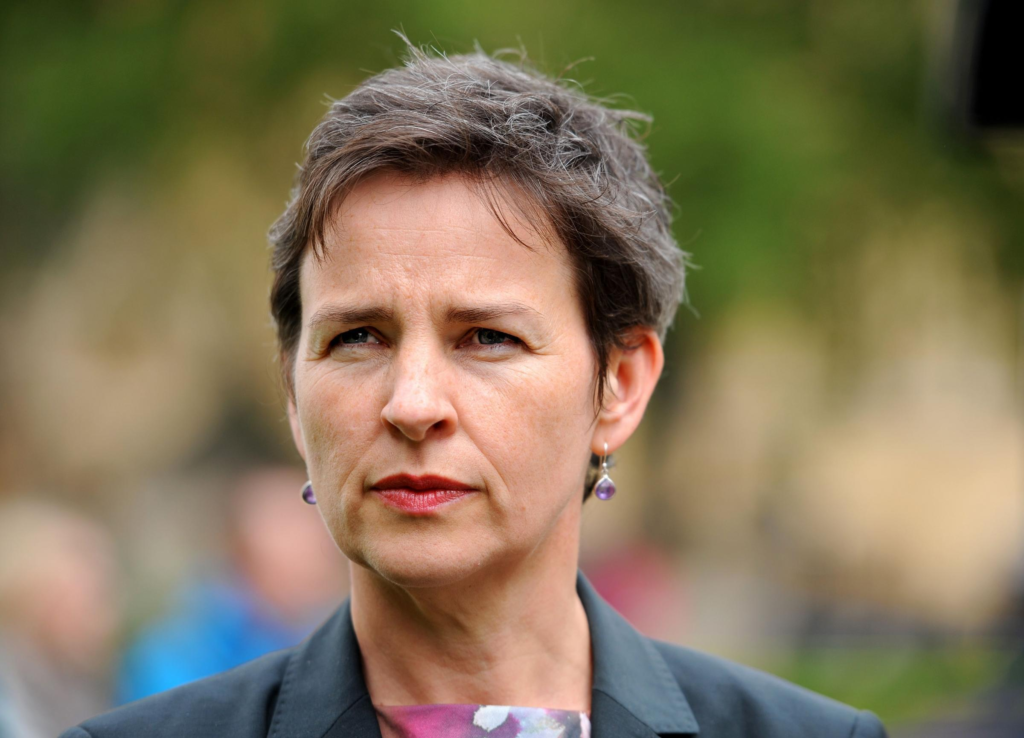
Nature Minister Mary Creagh said: “Tackling global deforestation is one of the most effective ways we can address climate change and protect some of the world’s most unique and precious wildlife.
That is why we are leading by example and scrutinising our own supply chains. Eliminating products linked to illegal deforestation not only helps to protect precious ecosystems but is good for our collective resilience and long-term prosperity.”
Business Wants Clarity and Alignment
UK companies have already played a role in pushing for stronger deforestation controls. Several major supermarkets have called for clearer regulation.
Retailers argue that common rules can support existing corporate commitments. They also want the UK to avoid unnecessary divergence from the EU.
Andrew Opie, Director of Food & Sustainability at the BRC, said: “Retailers welcome today’s announcement. We have long called for UK deforestation regulation as an important step in driving forest conservation across retail supply chains in line with business commitments, while supporting alignment with the EU where possible to avoid unnecessary costs and complexity for retailers and their customers.”
“However, with the EU regulation due to take effect in Northern Ireland at the end of the year, it is important that the Government takes a pragmatic approach to enforcement to minimise disruption for businesses and consumers.”

RELATED ARTICLE: UK Emissions Drop 2% to 367 Million Tons in 2025
The Northern Ireland issue is central to the UK’s policy design. To maintain its dual access to the UK Internal Market and the EU Single Market, the EU Regulation on Deforestation-Free Products will apply in Northern Ireland in phases from 30 December 2026.
The UK government now plans to consult on a GB regime that covers the same core commodities and underlying information requirements. The goal is to avoid administrative duplication across the UK. It should also help British exporters meet EU data and traceability standards.
Businesses in Northern Ireland are being encouraged to begin preparations now.
Investor and Executive Takeaway
For C-suite leaders and investors, the direction of travel is direct. Deforestation risk is becoming a compliance issue, not just a sustainability claim.
The proposed regime will require better data, supplier due diligence and documentation across agricultural commodity and timber supply chains. Companies with weak traceability systems may face higher compliance costs, greater disruption risk and reputational exposure.
WWF said further delay would leave UK consumers exposed to rainforest destruction through everyday purchases.
Gavin Crowden, Director of Advocacy at WWF, said: “The UK Government has warned that the collapse of tropical forests in places like the Amazon and Indonesia is a national security risk, not just an environmental one. We rely on these forests for food and climate stability, and they’re home to extraordinary wildlife. With new rules finally coming into force in Northern Ireland at the end of the year, there is no excuse for further delay that would leave shoppers in the rest of the UK still unwittingly driving the destruction of the rainforest.”
The policy also links to wider global frameworks. It supports the UK’s commitment under the Glasgow Leaders’ Declaration on Forests and Land Use, agreed at COP26, to halt and reverse forest loss by 2030. It also supports the government’s 2035 International Climate, Nature & Energy Strategic Framework.
Over time, ministers want to move toward a full deforestation-free standard. That would require relevant products to be produced without any deforestation, not only without illegal deforestation.
That shift would carry global weight. It would place stronger expectations on producers, importers, retailers and financiers. It would also bring the UK closer to a broader international push to decouple trade from forest loss.
For businesses operating across food, consumer goods, retail and timber, the consultation will set the next test. The firms that can verify supply chains now will be better placed when deforestation rules move from policy ambition to market access requirement.

The ESG News Editorial Team is comprised of veteran financial journalists and sustainability analysts dedicated to providing real-time, objective reporting on global ESG regulations, climate finance, and corporate governance. Our desk monitors daily developments from the SEC, IFRS, CSRD and international regulatory bodies to ensure our 1M+ readers receive accurate, data-driven insights into the evolving sustainable investment landscape. Follow the ESG News Editorial Team for expert reporting on global sustainability standards, ESG disclosures, and climate policy. Access over 10,000 investigative reports and real-time updates.