EU Plans Extra Free CO2 Permits for Heavy Industry as Competitiveness Pressure Builds
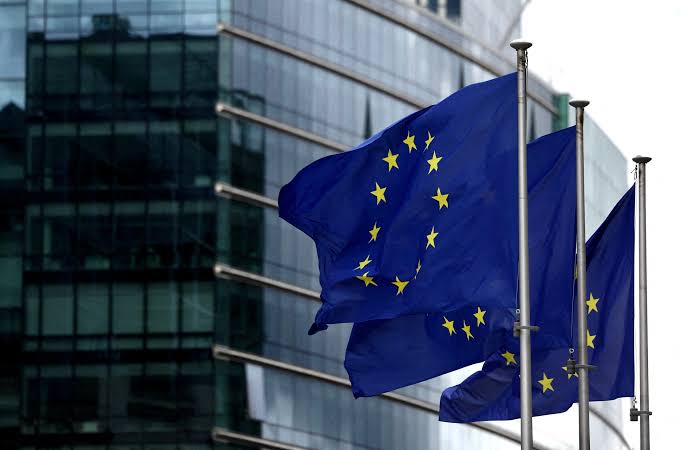
- The European Commission is preparing a separate ETS proposal that would increase free CO2 permit allocations for some heavy industries.
- Chemicals producers, refineries and other high-emitting sectors could receive additional free permits this year, with changes applying from 1 January 2026.
- The plan responds to pressure from Italy, Poland and the Czech Republic, but it risks weakening the EU’s carbon price incentive.
Brussels Moves to Ease Carbon Costs for Industry
Brussels is preparing to give heavy industry extra free CO2 permits this year, as EU leaders face growing pressure to protect domestic manufacturers from foreign competitors.
The plan, described by EU diplomats and reflected in draft conclusions for an EU leaders’ summit, would adjust part of the bloc’s Emissions Trading System. The ETS remains the EU’s central climate policy tool. It requires power plants, factories and other heavy emitters to buy permits for each tonne of CO2 they release.
That system has helped make carbon pollution a balance sheet issue. It has also raised costs for sectors exposed to global competition. Now, several member states want relief.
According to draft summit conclusions seen by Reuters, EU leaders would back a Commission plan to present “a separate proposal to address concerns expressed by some industrial sectors on ETS benchmarks”. The proposal would sit alongside a wider ETS revision expected in mid-July.
Free Permits Put Competitiveness Against Climate Discipline
The political pressure comes mainly from countries including Italy, Poland and the Czech Republic. Their governments have pushed for changes to the ETS, arguing that European companies face higher carbon costs than foreign rivals.
Under the ETS, companies must buy permits to emit CO2. However, the system also includes a pool of permits that firms receive for free. These free allocations aim to reduce the risk of carbon leakage, where production moves to countries with weaker climate rules.
The Commission now plans to increase that allocation for certain industrial activities. Diplomats told Reuters the summit language refers to quick changes to rules used to calculate free permits based on heat production and fuel use. These are known as “fall-back benchmarks”.
An EU document published on Monday confirmed that the Commission had agreed to put forward “a separate proposal aimed at increasing the free allocation determined on the basis of the fall-back benchmarks”.
For companies, the change could reduce near-term compliance costs. For climate policy, it creates a more difficult trade-off. More free permits can soften carbon price exposure. Yet they may also reduce the financial pressure to cut emissions.
RELATED ARTICLE: EU Backs Maritime Industrial Strategy to Strengthen Shipping, Security and Decarbonisation
Chemicals, Refineries and Other Emitters Could Benefit
The document said the deal would apply from 1 January 2026. That timing means chemicals producers, refineries and other CO2-intensive companies could receive extra free permits this year.
A Commission spokesperson confirmed the details in the public document and declined to comment further.
The change would come at a sensitive time for Europe’s industrial policy. Manufacturers face high energy costs, weak demand in some sectors and rising competition from the United States and China. At the same time, the EU is trying to preserve credibility in its climate framework.
The ETS is not only a climate instrument. It also shapes capital allocation. Carbon prices influence investment in electrification, hydrogen, efficiency upgrades, carbon capture and cleaner industrial processes. Any adjustment to free allowances therefore matters for investors assessing transition risk.
For executives, the message is mixed. Brussels appears willing to ease pressure on exposed industries. However, the broader direction of EU climate regulation remains intact. Companies that treat extra free permits as permanent relief may misread the policy cycle.
What Executives and Investors Should Watch
The immediate question is how far the Commission will go. A narrow technical change would offer targeted relief. A broader adjustment could reopen debate over the strength of the ETS itself.
Investors should watch whether the proposal alters carbon price expectations. They should also assess which sectors gain the most from additional free allocation. Chemicals, refining, cement, steel and other energy-intensive industries will remain central to the debate.
Governance risks will also rise. If the EU expands free permits while maintaining its climate targets, companies may face closer scrutiny over how they use the relief. Regulators, shareholders and civil society will want evidence that lower compliance costs support transition investment, not delayed decarbonisation.
The decision reflects a larger policy challenge across advanced economies. Governments want to cut emissions while retaining industrial capacity. The EU has tried to lead through carbon pricing. Now it must prove that competitiveness measures do not dilute the credibility of that model.
For global markets, the outcome will matter beyond Europe. The ETS is still the world’s most influential carbon pricing system. Any shift in its design will be read closely by policymakers, industrial companies and investors watching the balance between climate ambition and economic resilience.

The ESG News Editorial Team is comprised of veteran financial journalists and sustainability analysts dedicated to providing real-time, objective reporting on global ESG regulations, climate finance, and corporate governance. Our desk monitors daily developments from the SEC, IFRS, CSRD and international regulatory bodies to ensure our 1M+ readers receive accurate, data-driven insights into the evolving sustainable investment landscape. Follow the ESG News Editorial Team for expert reporting on global sustainability standards, ESG disclosures, and climate policy. Access over 10,000 investigative reports and real-time updates.