
EU Council Backs Expansion of CBAM Carbon Import Tax to Finished Goods
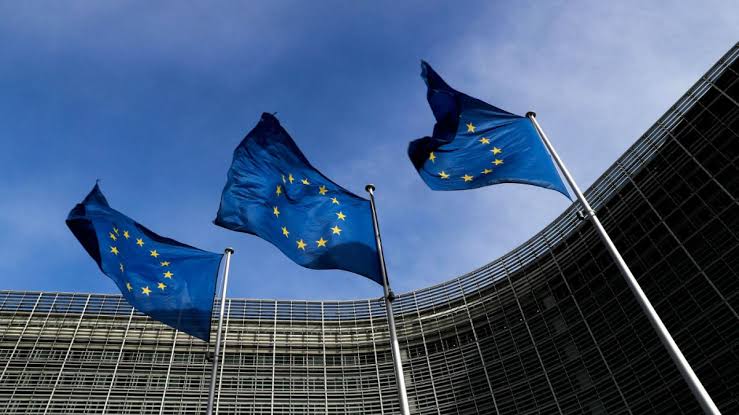
- The Council agreed its negotiating position to strengthen the EU Carbon Border Adjustment Mechanism ahead of talks with Parliament.
- The update would extend CBAM beyond raw materials to selected downstream products using carbon-intensive inputs.
- New anti-circumvention measures would bring pre-consumer metal scrap into scope and give the Commission stronger enforcement powers.
Brussels Tightens Its Carbon Border Rules
The Council of the European Union has agreed its position on strengthening the Carbon Border Adjustment Mechanism, setting the stage for negotiations with the European Parliament on one of the bloc’s most closely watched climate trade tools.
The proposed changes would expand CBAM’s scope to new products and close loopholes that could allow companies to avoid the system. The move comes as the EU seeks to protect its industrial base while maintaining pressure on trading partners to cut emissions.
“The EU remains committed to reducing climate emissions both within the Union and globally. Strengthening the CBAM and closing loopholes that can circumvent our rules is a key part in fulfilling that goal. The position agreed today is the first step in making the system more robust,” said Makis Keravnos, Minister of Finance of the Republic of Cyprus.

CBAM has been fully operational since 1 January 2026. It puts a carbon price on imports of goods from some of the most emissions-intensive sectors. These include iron and steel, cement, fertilisers, aluminium, electricity and hydrogen.
The mechanism was designed to prevent carbon leakage. That risk emerges when production shifts from the EU to jurisdictions with weaker climate policies. In practice, the EU is trying to ensure that climate rules do not become a competitive disadvantage for domestic producers.
Downstream Products Come Into Focus
The current CBAM framework mainly targets raw materials. That has created a policy gap for EU-made goods that use large volumes of CBAM-covered inputs, especially iron, steel and aluminium.
Without changes, those products could face competition from imported finished goods that contain carbon-intensive materials but avoid CBAM costs. The Council’s position seeks to close that gap by extending the mechanism to selected downstream products.
The Council has refined the list of new products that would fall under CBAM. It also wants the European Commission to conduct an annual review of additional downstream products that could be added later.
For companies, the direction is clear. CBAM is moving from a narrow border measure for basic materials toward a broader industrial policy tool. That matters for manufacturers, importers, supply-chain teams and investors exposed to carbon-intensive value chains.
It also raises compliance stakes. Companies selling into the EU will need stronger data on embedded emissions. They will also need clearer supplier visibility, especially where steel, aluminium or other covered inputs sit several steps back in the chain.
RELATED ARTICLE: EU Parliament Draft Tightens ESG Fund Labels Under SFDR Review
Anti-Circumvention Rules Gain Weight
The Council largely backed the Commission’s anti-circumvention proposals. These include bringing pre-consumer metal scrap into CBAM’s scope.
That detail is important. Metal scrap can be used in ways that alter the carbon profile or classification of products. By including pre-consumer scrap, EU policymakers want to limit routes that could weaken the mechanism.
The proposal also gives the Commission power to respond when deceptive practices are detected during reporting by high-risk companies. That creates a stronger enforcement framework around customs data, emissions reporting and product classification.
For boards and audit committees, this points to a wider governance issue. CBAM compliance will not sit only with sustainability teams. It will require coordination across procurement, legal, finance, customs and enterprise risk functions.
Investors will also watch how companies manage exposure. Weak reporting systems could create financial risk, operational delays or reputational pressure. Stronger CBAM rules may also influence capital allocation toward lower-carbon industrial suppliers.
Emergency Exemptions Face Clearer Limits
The Council position also addresses how CBAM should respond to serious and unforeseen circumstances. The Commission’s proposal included a process to temporarily exempt certain goods where severe harm to the internal market could occur.
The Council wants that process defined more precisely. It also wants clearer limits on the Commission’s exemption powers.
Any exemption should be based on clear and objective criteria, according to the Council. That includes EU exposure to severe price increases.
This balance matters politically. CBAM is a climate instrument, but it also affects inflation, trade flows and industrial competitiveness. The Council’s position reflects the need to protect the internal market without weakening the carbon price signal.
A Bigger Test for Climate Trade Policy
Negotiations with the European Parliament are expected to begin once Parliament adopts its own position. The Council aims to reach an agreement before the end of the year.
The outcome will carry weight beyond Europe. CBAM has become a reference point in global climate trade policy. It affects exporters in major industrial economies and emerging markets alike.
For C-suite leaders, the message is practical. Carbon data is becoming trade infrastructure. Product-level emissions, supplier traceability and customs documentation are now part of market access.
For investors, the revised CBAM framework will sharpen the divide between companies with credible transition plans and those exposed to carbon-intensive imports. For policymakers, it shows how climate policy is moving deeper into trade governance.
The EU’s next test is execution. A stronger CBAM could support decarbonisation and reduce leakage. But it must also remain administratively workable for companies that trade across borders. That balance will define its global credibility.

The ESG News Editorial Team is comprised of veteran financial journalists and sustainability analysts dedicated to providing real-time, objective reporting on global ESG regulations, climate finance, and corporate governance. Our desk monitors daily developments from the SEC, IFRS, CSRD and international regulatory bodies to ensure our 1M+ readers receive accurate, data-driven insights into the evolving sustainable investment landscape. Follow the ESG News Editorial Team for expert reporting on global sustainability standards, ESG disclosures, and climate policy. Access over 10,000 investigative reports and real-time updates.