
40 City Mayors Back Global Pact to Curb Data Centre Strain on Power, Water and Communities
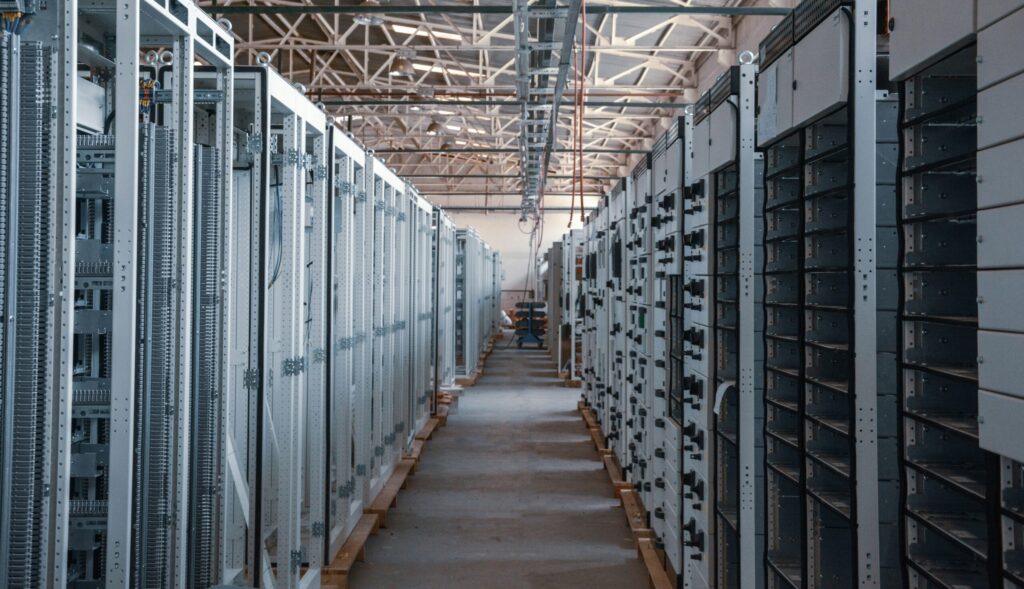
- Mayors from 40 cities, including London, Phoenix and Melbourne, are backing a new pact to manage data centre growth.
- Melbourne projects data centres could use up to 20% of local power demand by 2040 and 20 billion litres of water a year.
- The pact will guide permitting, planning and negotiations as AI-driven infrastructure reshapes city energy systems.
Cities Move to Rein In Data Centre Growth
London city leaders will launch a new global pact this week to manage the rising pressure from data centres on electricity grids, water systems and local communities.
Mayors from 40 cities have agreed to work together through the Global Urban Data Centres Pact. The group includes London, Phoenix, Melbourne, Barcelona, Chennai and Boise in Idaho. The pact is due to be launched on Tuesday at London Climate Action Week.
The move comes as demand for computing power surges worldwide. Much of that growth is tied to artificial intelligence. It is driving trillions of dollars into new data centre sites, while triggering protests in the United States, South Africa, Britain and other markets.
City leaders say the speed of expansion has outpaced regulation. The pact aims to set standards for cleaner energy use, better resource efficiency and stronger integration into urban planning.
The framework will be adapted to local conditions. Cooling needs in Iceland differ from those in Manila, for example. But mayors said the pact should help cities shape permitting, planning and negotiations with companies and national governments.
Grid Pressure Becomes a Governance Test
Melbourne Lord Mayor Nicholas Reece said the issue is now central to city governance. Melbourne already has around 50 major data centres. By 2030, they are projected to account for roughly 10% of local power demand. By 2040, that figure could reach 20% in a city of 5.5 million people.
“Data centres are the biggest thing to hit the energy grid since air conditioning in the 1950s… where the rollout of air conditioning took decades, this is happening in a few short years,” Reece said.

The water burden is also significant. Reece said the centres could use around 20 billion litres of water each year. That is equal to about 4% of Melbourne’s drinking supply.
For city governments, the challenge is no longer abstract. Data centres support economic growth, digital services and AI deployment. Yet they also compete for scarce power, water and land. Those pressures can collide with housing needs, climate targets and local infrastructure limits.
Reece said investment is moving at “breakneck speed”. He warned that cities risk a “race to the bottom” as governments compete to attract projects. In some cases, that competition can weaken environmental scrutiny.
Phoenix Faces AI-Driven Demand Shock
Phoenix Mayor Kate Gallego said “her city and surrounding region have 225 existing or planned data centres. Proposals now under review could double electricity demand. The demand for electricity… is unprecedented,” she said.

RELATED ARTICLE: Singapore Expands Jurong Island for Renewable Energy and Data Centre Development
Gallego said utilities that once saw steady growth over decades are now facing a sharp demand jump within only a few years. AI-related computing needs are a major driver.
That shift is already creating local disputes. Concerns include noise, land use, safety risks from battery storage and infrastructure being built near residential areas. These issues are moving data centres from the domain of tech policy into planning, energy and community governance.
For investors and operators, the message is clear. Social licence will matter more as projects scale. So will early engagement with cities, utilities and residents. Companies that treat permitting as a formality may face higher delays, costs and reputational risk.
C-Suite Takeaway: Growth Needs Local Consent
London Mayor Sadiq Khan said in a statement that AI and digital infrastructure will play “a major role in the future prosperity of cities around the world… residents are right to expect growth to be managed responsibly”.

That balance will define the next phase of data centre expansion. The sector is vital to digital economies. It also has a rising climate footprint. Data centres account for an estimated 2.5% to 3.7% of global greenhouse gas emissions, according to the World Economic Forum. That is more than aviation. Their electricity demand is also rising faster than overall power consumption.
The pact is being coordinated by C40 Cities, a network of nearly 100 major cities working on climate action. It gives mayors a shared platform as they face a sector often shaped by national policy, global capital and large technology companies.
For C-suite leaders, the governance risks are now visible. Data centre growth will be judged not only by capital spend or compute capacity. It will also be judged by grid impact, water use, community acceptance and alignment with climate goals.
The pact does not halt the expansion of digital infrastructure. Instead, it puts cities at the centre of the negotiation. As AI investment accelerates, local governments are asking a sharper question: who benefits from the growth, and who carries the burden?

The ESG News Editorial Team is comprised of veteran financial journalists and sustainability analysts dedicated to providing real-time, objective reporting on global ESG regulations, climate finance, and corporate governance. Our desk monitors daily developments from the SEC, IFRS, CSRD and international regulatory bodies to ensure our 1M+ readers receive accurate, data-driven insights into the evolving sustainable investment landscape. Follow the ESG News Editorial Team for expert reporting on global sustainability standards, ESG disclosures, and climate policy. Access over 10,000 investigative reports and real-time updates.