
re.green, Novo Nordisk Sign 20 Year Amazon Restoration Deal to Generate 87,000 Carbon Removal Credits

- re.green and Novo Nordisk will restore about 500 hectares of degraded Amazon land in Pará, Brazil.
- The 20-year agreement is expected to generate 87,000 carbon removal credits, with first issuance planned for November 2031.
- The project links carbon removals with biodiversity recovery, water security, rural landowner agreements, and local economic opportunities.
Amazon restoration moves into long-term corporate climate strategy
Brazilian ecological restoration company re.green and global healthcare group Novo Nordisk have signed a 20-year agreement to restore degraded land in the Amazon and generate carbon removal credits.
The project will cover about 500 hectares in Paragominas, a municipality in Pará state. The area sits in one of the world’s most important forest regions, where land-use pressure has long shaped climate, biodiversity, and water risks.
The agreement is expected to generate 87,000 carbon removal credits over the contract period. These credits come from projects that remove carbon dioxide from the atmosphere and store it over the long term. In this case, the storage will take place through restored native forest.
The deal places nature restoration inside a corporate climate strategy. It also reflects rising demand for carbon removals with stronger governance, clearer permanence rules, and measurable ecological benefits.
re.green is a Brazilian large-scale ecological restoration company. It was named winner of The Earthshot Prize 2025 in the Protect and Restore Nature category. Its model focuses on making restoration of the Amazon and Atlantic Forest financially viable.
Rural landowners and native species anchor the model
The project will be carried out through long-term partnerships with rural landowners. They will commit to maintaining restored areas beyond the financing period. Those commitments will sit within legally binding land-use agreements.
That structure is important for carbon markets. Buyers and investors want greater assurance that removals will not be reversed after credits are issued. Permanence has become a central test for nature-based carbon projects.
Restoration work will use native Amazon tree species. The approach will combine natural regeneration with active planting. It may also include sustainable management of native timber across up to 30% of the area.
The aim is wider than carbon storage. The project is designed to restore ecological functionality, support the return of native biodiversity, and help recover water resources.
Progress will be tracked through continuous environmental monitoring. The process will combine field data with remote sensing technologies. This will allow the partners to follow forest development and assess climate and ecological impacts over time.
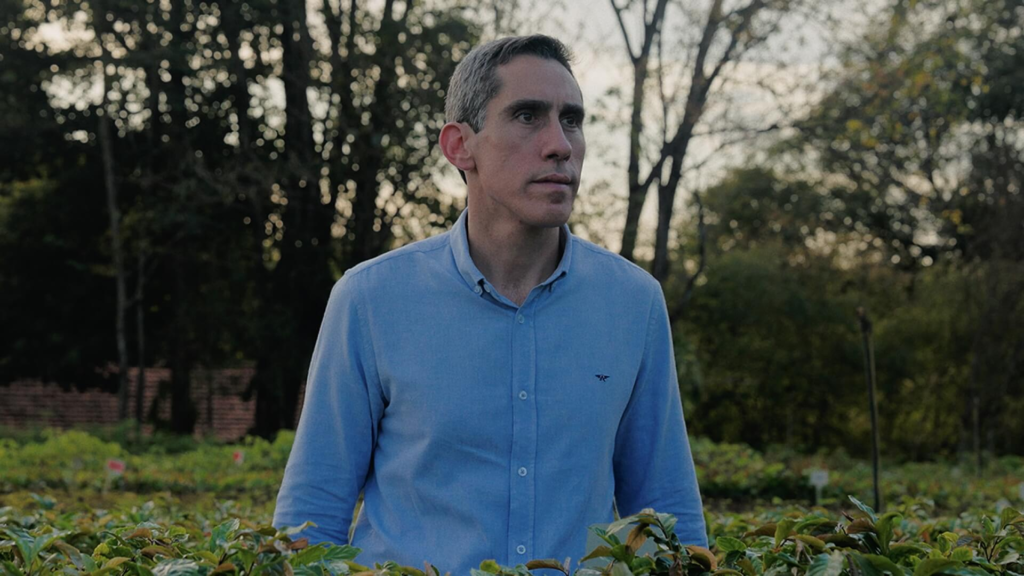
”Large-scale restoration of our tropical forests depends on collaboration among stakeholders committed to the climate agenda and on initiatives capable of transforming degraded areas into functional ecosystems. Our partnership with Novo Nordisk reinforces this movement and demonstrates how the private sector can make a tangible contribution to restoring landscapes in regions like the Amazon, one of the most important and threatened biomes in the world. This brings benefits not only to biodiversity and the planet, but also supports the development of surrounding communities”
Thiago Picolo, CEO of re.green.
RELATED ARTICLE: Novo Holdings Invests $290M in Glentra Capital’s Energy Transition Fund
Credits will follow global integrity guidelines
The project’s credits will be certified under global, science-based methodologies and guidelines developed by the Integrity Council for the Voluntary Carbon Market. The first issuance is expected in November 2031.
After that, periodic verifications are planned every three years through 2045. This schedule gives buyers a longer view of delivery, while also placing the project under repeated scrutiny.
For Novo Nordisk, the agreement adds a nature-based component to its environmental responsibility agenda. The healthcare company framed the project around climate, biodiversity, and Brazil’s strategic importance.
”As we grow to serve more patients, reducing our environmental impact remains a core priority for Novo Nordisk. Brazil is deeply important to us – not only for the patients we serve here, but because the country is home to ecosystems like the Amazon that are vital for climate stability, water security and biodiversity. This partnership reflects our ambition to address climate and nature impacts through credible, science-based solutions and long-term collaboration with trusted local partners”
Dorethe Nielsen, Associate Vice President, Environmental Responsibility at Novo Nordisk.
What executives and investors should watch
The agreement lands at a time when companies face tougher questions on carbon claims. Investors want credible pathways that reduce operational emissions first, then use removals for residual emissions. Regulators and standard setters are also increasing pressure on green claims.
For C-suite leaders, the project shows how carbon removal procurement is moving beyond short-term offset buying. It now increasingly includes land tenure, community outcomes, biodiversity, water, and long-term monitoring.
For investors, the structure points to the next phase of nature finance. Projects must show ecological value, credible carbon accounting, and durable local partnerships.
In Paragominas, the commercial logic is tied to a wider regional challenge. Restoring degraded Amazon land can support climate stability, protect biodiversity, and create economic opportunities around native seeds, seedlings, and forest management.
If the project delivers as planned, it will add another example of how corporate capital can support tropical forest restoration. The broader test will be whether this model can scale while preserving integrity, community benefits, and long-term ecological value across Brazil’s most threatened landscapes.

The ESG News Editorial Team is comprised of veteran financial journalists and sustainability analysts dedicated to providing real-time, objective reporting on global ESG regulations, climate finance, and corporate governance. Our desk monitors daily developments from the SEC, IFRS, CSRD and international regulatory bodies to ensure our 1M+ readers receive accurate, data-driven insights into the evolving sustainable investment landscape. Follow the ESG News Editorial Team for expert reporting on global sustainability standards, ESG disclosures, and climate policy. Access over 10,000 investigative reports and real-time updates.