China’s $3 Billion US Clean Tech Exit Warns Investors on Policy Risk
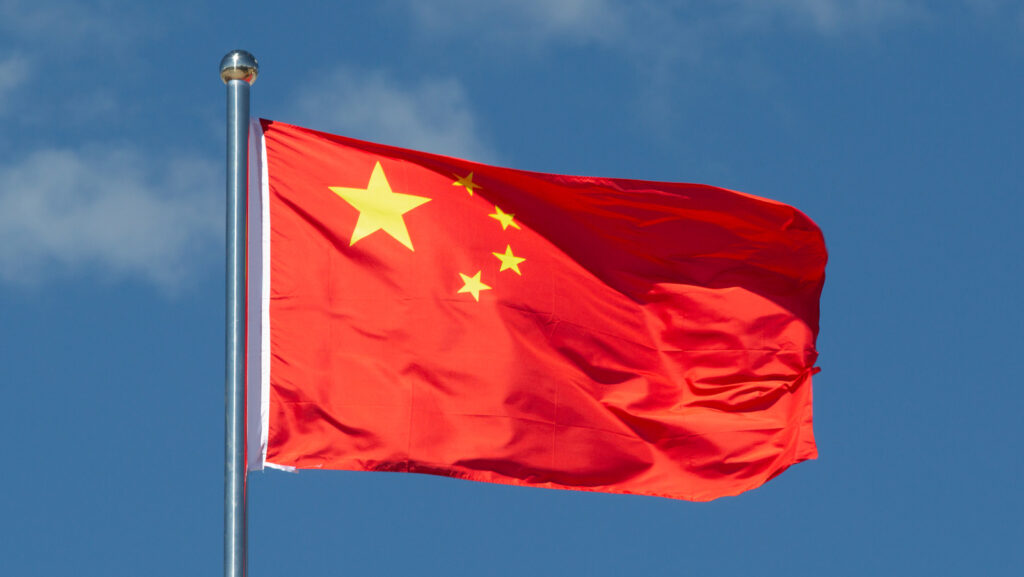
- China-based clean technology companies scrapped about $2.8 billion in planned US manufacturing projects in 2025, according to Rhodium Group.
- Jinko Solar’s sale of control in its Florida facility adds to a wider pullback by Chinese solar, battery and EV firms from US manufacturing.
- New foreign entity rules under President Donald Trump’s tax bill could limit access to manufacturing tax credits, reshaping clean tech investment decisions.
China’s clean technology manufacturers are pulling back from the United States as tax policy, geopolitics and compliance risk reshape the investment case for US factories.
According to Bloomberg, Jinko Solar Co.’s decision to sell control of its Florida solar panel facility extends a multi-billion dollar retreat by Chinese clean tech firms. The move comes as manufacturers face a more hostile policy environment and possible loss of Biden-era incentives.
China-based companies in the sector scrapped about $2.8 billion in planned US manufacturing projects in 2025, according to research by Rhodium Group. By the end of March, more than half of proposed Chinese clean tech investments in the US announced since 2022 had been canceled, paused or delayed, the group calculated.
That pullback forms part of a wider slowdown. Rhodium said overall clean technology investment in the US fell 17% last year.
Tax Credits Turn Into A Compliance Test
The reversal is sharp. Biden-era tax credits had drawn Chinese solar, battery and electric vehicle companies into the US market. In 2023 alone, those firms announced $5.6 billion of investments.
That calculation has changed under President Donald Trump. His administration has rolled back incentives. More importantly, last year’s tax bill introduced new barriers for manufacturers linked to so-called foreign entities of concern.
Those rules affect the core economics of factory investment. Manufacturing tax credits can determine whether a project competes with domestic rivals or struggles with higher costs. For China-linked companies, ownership structures and supply chain exposure now carry direct financial consequences.
“Jinko’s decision underscores the enormous challenges facing Chinese clean-tech firms operating in the US,” said Li Shuo, director of the China Climate Hub at the Asia Society Policy Institute. The company’s move should be seen as “a chilling message to anyone that wishes to come and build factories in the US,” he said.

Jinko Moves To Reduce US Exposure
Shanghai-based Jinko agreed Friday to sell about a 75% stake in its Florida solar panel facility to FH Capital, a private equity fund.
The main purpose of selling the stake is “to optimize its overseas asset allocation, ensure its long-term strategic layout in the US, enhance flexibility and compliance, and facilitate its long-term development,” a Jinko spokesperson said in a written response to Bloomberg questions.
RELATED ARTICLE: China Drives $80 Billion in Overseas Clean Technology Expansion
In a corporate filing, Jinko said the decision was prompted by a need to comply with “US domestic manufacturing regulations” and to “minimize operational risks.” The company did not cite specific regulations.
Jinko is not alone. Trina Solar Co. sold a majority stake in its Texas assembly facility in 2024. Last year, Corning Inc. acquired a JA Solar Technology Co. plant in Arizona.
The exit trend widened again this week. Shanghai-listed Ningbo Boway Alloy Material Co. said Wednesday it will sell solar manufacturing assets in the US to India’s INOXGFL Group. The company cited tighter foreign entity requirements under Trump’s tax bill.
Domestic Rivals Gain A Policy Edge
The policy shift may strengthen US-owned clean tech manufacturers. It may also make the US market less attractive for foreign capital tied to Chinese supply chains.
Policy changes under Trump’s One Big Beautiful Bill Act have made it harder, and possibly impossible, for factories controlled by Chinese companies to qualify for lucrative manufacturing credits. The same risk applies to companies heavily reliant on China-dominated supply chains.
Losing those credits puts Chinese-owned factories at a “huge disadvantage” compared with domestic rivals, said Rob Barnett, a senior analyst at Bloomberg Intelligence. Arizona-based First Solar Inc., the largest US solar producer, told investors in February that it expects to receive more than $2 billion in credits this year.
Treasury Department guidance on specific ownership thresholds is expected later this year. Even so, analysts expect the conditions to be difficult for China-linked firms to meet.
“The policy environment is getting more restrictive,” said Margaret Jackson, a senior associate at the Center for Strategic and International Studies and previously a senior counselor for policy at US Department of Commerce during Biden’s tenure.
What Executives And Investors Should Take Away
For executives, the message is clear. Clean tech investment strategy can no longer rely only on demand, production costs or access to customers. Governance risk now sits at the center of capital allocation.
For investors, the Jinko sale highlights a growing policy premium in US clean manufacturing. Tax credits remain powerful, but they now come with tighter rules on ownership, supply chains and geopolitical exposure.
The shift could support domestic industrial policy goals. However, it may also slow factory buildout if foreign capital exits faster than local firms can replace it.
Trump’s meeting this week with President Xi Jinping in Beijing is therefore unlikely to unlock a new wave of Chinese green technology investment. The politics have moved beyond rhetoric. In the US clean tech market, eligibility, compliance and national security now shape the flow of capital.

The ESG News Editorial Team is comprised of veteran financial journalists and sustainability analysts dedicated to providing real-time, objective reporting on global ESG regulations, climate finance, and corporate governance. Our desk monitors daily developments from the SEC, IFRS, CSRD and international regulatory bodies to ensure our 1M+ readers receive accurate, data-driven insights into the evolving sustainable investment landscape. Follow the ESG News Editorial Team for expert reporting on global sustainability standards, ESG disclosures, and climate policy. Access over 10,000 investigative reports and real-time updates.