Microsoft Builds First Wood Datacenters, Cutting Carbon Emissions by 35%
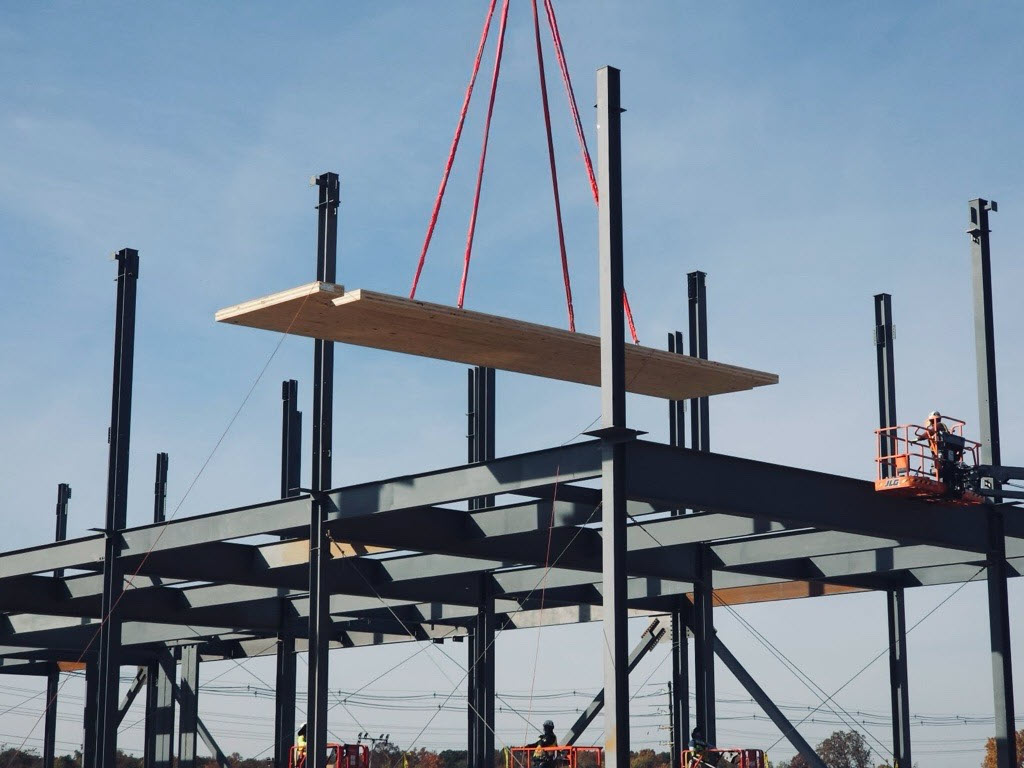
- Eco-Friendly Construction: Microsoft’s new datacenters use cross-laminated timber (CLT), reducing embodied carbon by 35% compared to steel and 65% compared to concrete.
- Decarbonization Goals: The initiative supports Microsoft’s target to be carbon negative by 2030 and eliminate historical emissions by 2050.
- Investments in Green Innovation: Microsoft’s $1 billion Climate Innovation Fund backs technologies to scale low-carbon materials and renewable energy solutions.
Microsoft is pioneering wood-based construction in its datacenters in Northern Virginia, substituting steel and concrete with cross-laminated timber (CLT). The move cuts embodied carbon emissions by up to 65% compared to traditional building methods.
Why It Matters:
This construction model aligns with Microsoft’s commitment to being carbon negative by 2030. The company aims to lead in sustainable building practices, demonstrating how low-carbon materials can be used in high-demand data facilities.
“It’s an all-hands-on-deck task,” says Jim Hanna, leader of sustainability for Microsoft’s datacenters engineering team.

Related Article: Microsoft Partners with Ebb Carbon for Up to 350,000 Tonnes of CO2 Removal
How It Works:
CLT, a fire-resistant, layered wood, offers a stable, low-carbon alternative to concrete. It chars instead of burning, providing natural insulation and reducing reliance on high-emission materials. CLT is sourced sustainably, supporting eco-friendly production goals. For added resilience, Microsoft applies a thin concrete layer to ensure waterproofing and stability.
“We’re constantly trying to validate the suitability of these novel materials for use in a datacenters environment,” explains David Swanson, a structural engineer on Microsoft’s datacenter team.

Investment in Climate Innovation:
Microsoft’s Climate Innovation Fund, launched with a $1 billion pledge, supports advancements in low-carbon building materials and clean energy. To date, $761 million has been committed to transformational technologies like hydrogen-powered steel, which reduces steel emissions by up to 95%.
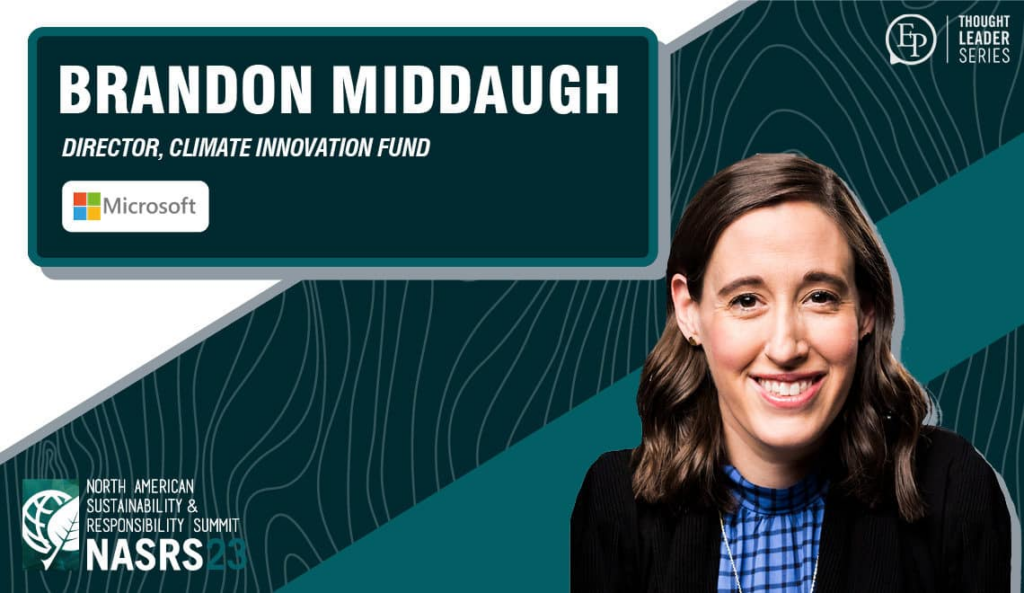
“What’s not so common is to see an investor like Microsoft…provide capital and also sign a contract to buy the output,” says Brandon Middaugh, manager of the Climate Innovation Fund.
Looking Ahead:
Microsoft’s actions are creating market momentum, pushing suppliers to adopt sustainable practices. The company’s scale allows it to test innovative materials, like CLT, at a commercial level. While green construction remains costly, Microsoft’s early adoption could drive broader industry acceptance, helping achieve net-zero emissions.
“We have to be system thinkers across the entire value chain of these materials,” notes Hanna, emphasizing the scope of Microsoft’s climate-focused strategy.

The ESG News Editorial Team is comprised of veteran financial journalists and sustainability analysts dedicated to providing real-time, objective reporting on global ESG regulations, climate finance, and corporate governance. Our desk monitors daily developments from the SEC, IFRS, CSRD and international regulatory bodies to ensure our 1M+ readers receive accurate, data-driven insights into the evolving sustainable investment landscape. Follow the ESG News Editorial Team for expert reporting on global sustainability standards, ESG disclosures, and climate policy. Access over 10,000 investigative reports and real-time updates.