Singapore Commits $15 Million To Expand Article 6 Carbon Markets
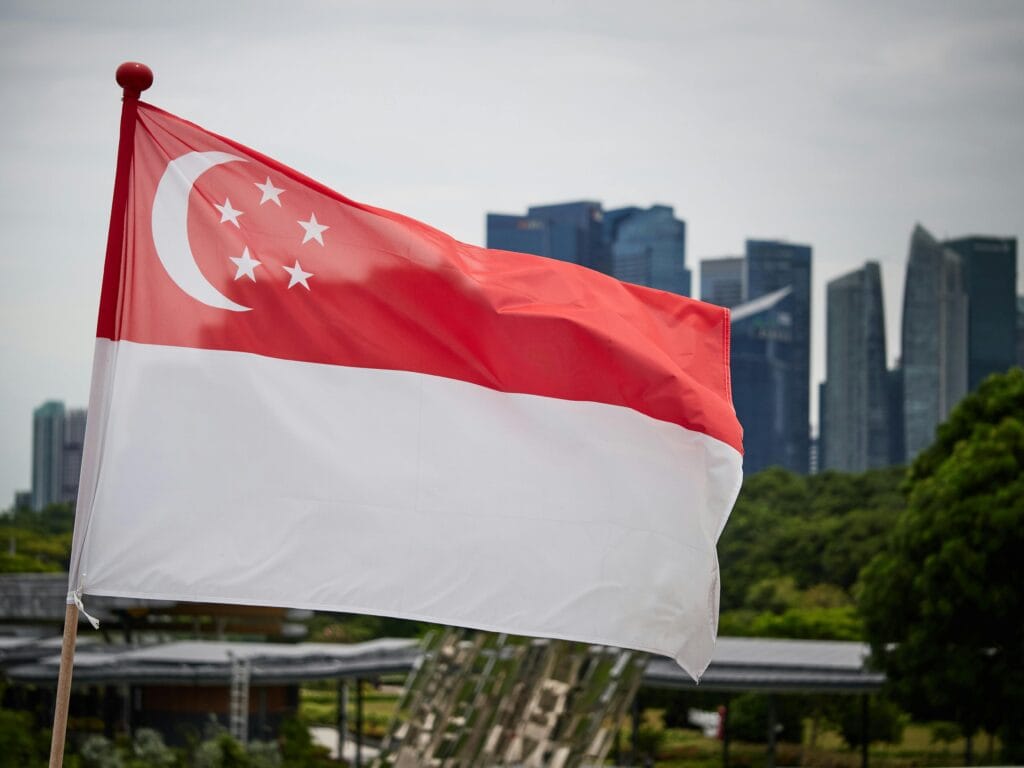
- Singapore will contribute $15 million to GGGI’s Carbon Transaction Facility, becoming its first Asian contributor.
- $5 million will support Article 6 readiness in member and partner countries, while $10 million will finance Singapore-linked carbon credit projects.
- The move targets major market barriers, including high transaction costs, weak host-country capacity, and limited project development funding.
Singapore Moves To Strengthen Article 6 Market Infrastructure
Singapore has committed $15 million to the Global Green Growth Institute’s Carbon Transaction Facility, placing itself deeper into the architecture of international carbon trading under Article 6 of the Paris Agreement.
The funding makes Singapore the first Asian contributor to the facility. It joins the UK, New Zealand, Norway, and Sweden as governments seek to build credible cross-border carbon markets that can support national climate targets.
Minister of State for Trade and Industry Alvin Tan announced the contribution at the GenZero Climate Summit 2026. The move gives Singapore a larger role in shaping how carbon credit projects are developed, financed, and governed across emerging markets.
For policymakers and corporate buyers, the decision lands at a critical point. Article 6 has long been seen as a tool to channel finance into emissions reduction projects. Yet progress has been slowed by uneven regulation, weak institutional capacity, and concerns over credit quality.
Funding Split Between Readiness And Project Finance
Singapore’s contribution will be divided across two facilities, according to the Ministry of Trade and Industry.
The first allocation, worth $5 million, will go toward an Article 6 Readiness Facility. That funding will help GGGI member and partner countries build the technical and institutional systems needed to participate in carbon markets.
Those systems matter. Host countries need clear approval processes, carbon accounting rules, registry infrastructure, and governance controls before they can issue credits under Article 6. Without that foundation, project developers face delays and buyers face uncertainty.
The remaining $10 million will establish the Singapore Article 6 Carbon Facility. This vehicle will finance carbon credit projects that can contribute toward Singapore’s climate targets.
The structure reflects a two-track strategy. First, help countries become ready to participate. Then, direct capital into projects that can generate high-integrity credits.
Tackling Barriers In Carbon Market Development
The Singapore government said the contribution is aimed at barriers that have constrained Article 6 market growth. These include high transaction costs, limited institutional capacity in host countries, and a lack of early-stage funding for project development.
Those challenges have direct implications for investors and corporates. Carbon markets cannot scale on demand alone. They need credible supply, legal certainty, and transparent accounting between buyer and host countries.
RELATED ARTICLE: Singapore and Chile Sign Carbon Credit Agreement Under Paris Agreement Article 6
The Carbon Transaction Facility was launched by GGGI in October 2024 to support that process. It provides readiness support and dedicated funding for high-integrity carbon credit projects.
“Through the CTF, we work closely with governments to put in place the systems, policies, and partnerships that move countries from readiness to results,” Sang-Hyup Kim, Executive Director, GGGI, said.
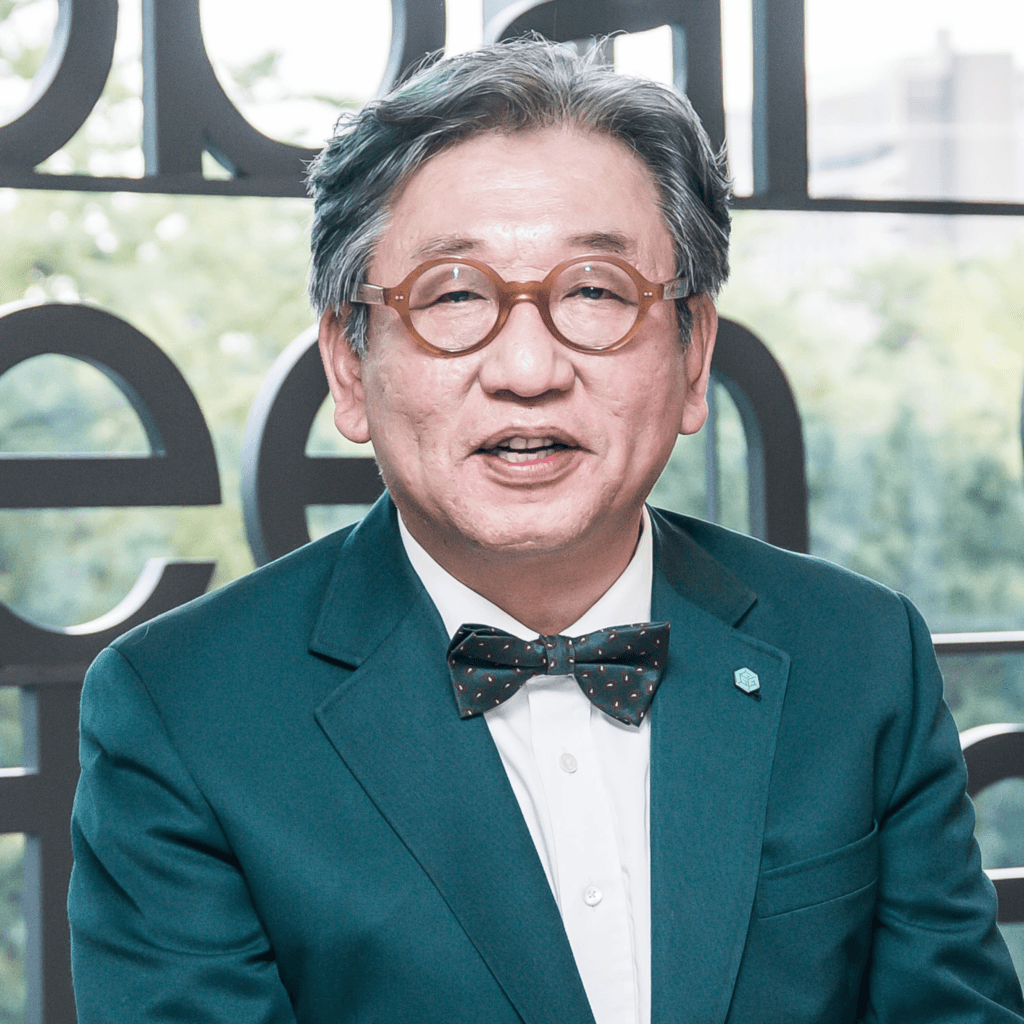
His comment points to the core challenge facing Article 6. Countries do not only need projects. They need policy systems that can convert climate ambition into bankable transactions.
What Executives And Investors Should Watch
For C-suite leaders, the development adds another layer to the evolving carbon market landscape. Singapore is positioning itself as both a buyer and a market builder, with a focus on governance, project finance, and regional cooperation.
That matters for companies using carbon credits as part of broader decarbonisation strategies. As Article 6 frameworks mature, buyers will face greater scrutiny over credit quality, host-country authorisation, and how credits align with national climate accounting.
For investors, Singapore’s funding may help reduce early-stage market friction. Readiness support can lower policy risk in host countries. Dedicated project finance can also help bring more credible supply into the market.
However, execution will be decisive. Article 6 markets still require strong rules, transparent reporting, and safeguards against double counting. Without those controls, capital could struggle to move at scale.
Singapore’s contribution is modest in size, but strategic in placement. It gives the country a seat in one of the key global efforts to make Article 6 operational. It also extends Asian participation in a facility previously backed by European and Pacific contributors.
As governments look for ways to finance climate action beyond public budgets, Article 6 is becoming a test of trust. Singapore’s investment shows how smaller economies can use targeted funding to shape global carbon market rules, support regional project pipelines, and advance national climate goals within the Paris framework.

The ESG News Editorial Team is comprised of veteran financial journalists and sustainability analysts dedicated to providing real-time, objective reporting on global ESG regulations, climate finance, and corporate governance. Our desk monitors daily developments from the SEC, IFRS, CSRD and international regulatory bodies to ensure our 1M+ readers receive accurate, data-driven insights into the evolving sustainable investment landscape. Follow the ESG News Editorial Team for expert reporting on global sustainability standards, ESG disclosures, and climate policy. Access over 10,000 investigative reports and real-time updates.