CDL Secures $300 Million DBS Loan Tied to Nature, Climate Resilience Targets
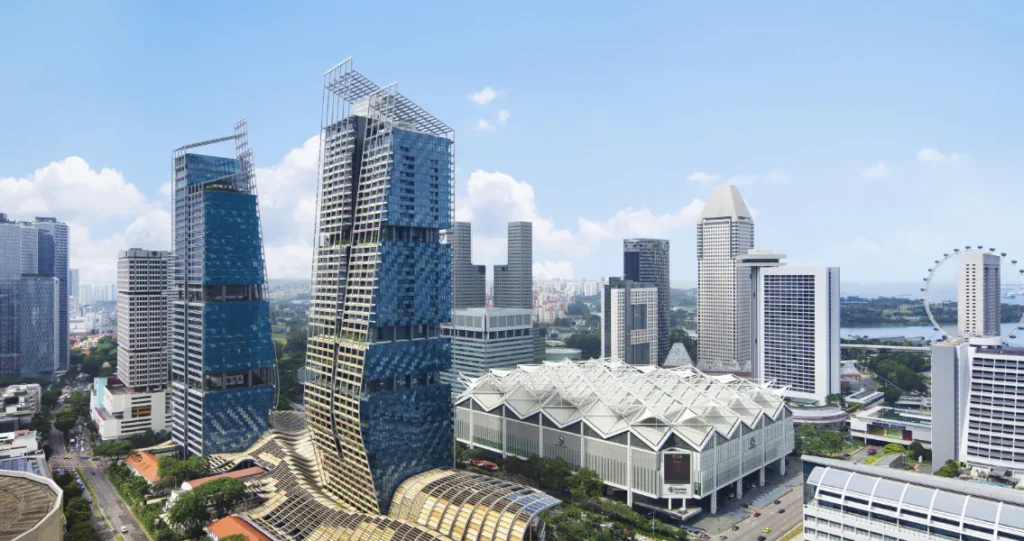
- CDL secured a $300 million multi-currency sustainability-linked loan from DBS Bank, expanding its sustainable finance programme.
- The facility links financing to measurable nature-based targets, including urban farming, microforests, circular materials and water efficiency.
- The loan supports Singapore’s Green Plan 2030 and its broader “City in Nature” agenda, placing biodiversity and urban resilience closer to real estate finance.
Singapore-listed City Developments Limited has secured a $300 million multi-currency sustainability-linked loan from DBS Bank. The deal links corporate finance more directly to nature, climate resilience and sustainable urban development.
The facility builds on CDL’s Taskforce on Nature-related Financial Disclosures targets, launched in 2024. It aims to accelerate the use of nature-based urban solutions in Singapore. At the same time, policymakers are advancing the country’s “City in Nature” vision.
For real estate investors and sustainability executives, the transaction points to a broader shift in green finance. Climate targets are no longer the only benchmark. Nature, biodiversity, circular materials and water efficiency are moving into the financing terms of major property groups.
Loan Builds on Singapore’s Green Plan 2030
The loan follows sustainability-linked loan principles. It introduces a set of sustainability performance targets focused on climate and nature resilience in urban environments.
Those targets include scaling urban farming initiatives, establishing or expanding microforests with predominantly native species, and strengthening stakeholder engagement on climate and nature issues. They also include increasing the use of circular materials in CDL’s developments and improving water efficiency.
The framework aligns with Singapore’s Green Plan 2030, which places sustainable living, energy reset, green economy development and climate resilience at the centre of national planning.
For developers, that policy direction is increasingly material. Buildings sit at the intersection of land use, resource demand, biodiversity pressure and urban heat risk. As a result, lenders are placing greater attention on how real estate companies manage both carbon and nature-related exposure.
CDL Expands Sustainable Finance Strategy
CDL said the facility extends a sustainable finance track record that has grown significantly since 2017.
“Since 2017, we have secured over $11 billion in sustainable financing that supports our net-zero ambitions while delivering long-term value through sustainable development,” says Yiong Yim Ming, group CFO of CDL.

She adds that the latest SLL marks “the next evolution of our sustainability journey”, embedding measurable nature-based targets into CDL’s financing framework and aligning its financial strategy more closely with environmental outcomes.
RELATED ARTICLE: GRI and TNFD Launch Mapping Tool for Enhanced Biodiversity Reporting
The comments reflect a growing expectation among lenders and investors that sustainability-linked finance should move beyond broad ESG commitments. Facilities are increasingly assessed on the quality, measurability and credibility of their performance indicators.
For CDL, the nature-linked structure also supports its wider positioning as a listed property group seeking to integrate environmental performance into capital strategy. That matters in a sector facing rising scrutiny over emissions, resource use, construction materials and exposure to climate-related physical risks.
Real Estate Faces Rising Nature and Climate Scrutiny
“Real estate developers play an important role in advancing climate action and shaping greener, more resilient and more liveable urban environments,” she says.
That role is becoming more complex. Developers must respond to tightening climate disclosure expectations, growing investor focus on biodiversity risk and increased demand for assets that can withstand heat, flooding and resource constraints.
The latest facility follows CDL’s $400 million sustainability-linked loan from DBS in 2024. That earlier loan was tied to nature conservation and sustainable development targets, guided by CDL’s adoption of TNFD recommendations.
CDL was also the first Singapore company to publish TNFD-aligned disclosures in its Integrated Sustainability Report 2024. The latest loan extends that reporting work into financing, linking disclosure, strategy and capital allocation.
For C-suite leaders, the takeaway is clear. Nature-related finance is becoming more practical, more measurable and more closely tied to corporate borrowing costs. In Asia’s urban markets, where density, biodiversity and climate exposure often overlap, real estate companies may face growing pressure to prove that development models can support both growth and ecological resilience.
For Singapore, the transaction adds another private-sector layer to national sustainability goals. For global markets, it shows how TNFD-aligned targets can move from reporting frameworks into bank lending structures, shaping the next phase of sustainable real estate finance.

The ESG News Editorial Team is comprised of veteran financial journalists and sustainability analysts dedicated to providing real-time, objective reporting on global ESG regulations, climate finance, and corporate governance. Our desk monitors daily developments from the SEC, IFRS, CSRD and international regulatory bodies to ensure our 1M+ readers receive accurate, data-driven insights into the evolving sustainable investment landscape. Follow the ESG News Editorial Team for expert reporting on global sustainability standards, ESG disclosures, and climate policy. Access over 10,000 investigative reports and real-time updates.