
Germany Warns EU Methane Rules Could Disrupt Jet Fuel and LNG Imports

- Germany says EU methane import rules could restrict LNG and petroleum product imports from 2027, including kerosene used in aviation.
- Twelve EU governments are calling for a three-year delay, raising pressure on Brussels to soften a key climate regulation.
- The dispute links methane governance to energy security as jet fuel markets face disruption from the Iran war and Strait of Hormuz closure.
Germany Adds Weight to Pushback Against EU Methane Rules
Germany has joined a growing group of European Union governments pushing back against the bloc’s planned methane emissions rules for imported oil and gas.
The intervention comes at a sensitive moment for Europe’s energy system. Jet fuel markets are already under pressure after the Iran war disrupted shipping through the Strait of Hormuz, a key route for global oil flows.
Germany, Europe’s largest gas market, warned Friday that the EU regulation could affect more than liquefied natural gas. Berlin said the rules may also restrict petroleum product imports, including kerosene used by airlines.
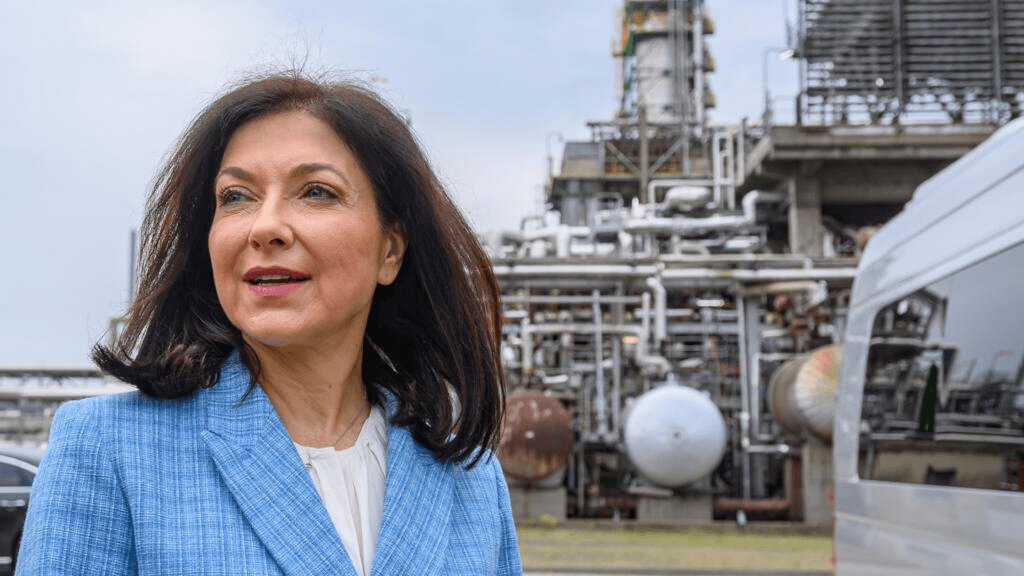
“As it stands, the methane regulation would prevent not only gas imports into Germany – LNG – but also petroleum products from being imported from 2027 onwards,” German Economy Minister Katherina Reiche said ahead of an EU meeting of ministers on Friday.
From next year, the EU will require monitoring and verification of methane emissions linked to fuel deliveries into the bloc. The regulation aims to reduce methane leaks across global oil and gas supply chains.
Methane is the second-biggest contributor to global warming after carbon dioxide. It has become a core focus for climate policy because near-term cuts can deliver rapid climate benefits.
Energy Security Concerns Rise as Fuel Markets Tighten
Germany’s warning brings energy security directly into the debate over climate governance. Reiche said Berlin needs more time before the rules take effect.
“We need at least a postponement or a suspension of the methane regulation so that the Federal Republic of Germany can reliably secure its supply of gas imports, as well as petroleum products such as kerosene,” Reiche said.
EU ministers are set to discuss a call by 12 other governments to delay the rules by three years. The group includes Italy, the Czech Republic and the Netherlands.
The timing has increased the political stakes. Jet fuel prices have surged after the closure of the Strait of Hormuz. Airlines have responded by cutting uneconomic routes as fuel costs rise.
Imports from the Middle East typically cover about 20% of Europe’s jet fuel demand. That exposure has made supply resilience a priority for carriers, refiners and national governments.
Even so, the EU has so far avoided major kerosene shortages. Local refineries have increased output, while additional supplies from the United States and Nigeria have helped fill gaps.
RELATED ARTICLE: Germany Launches $7B Industrial Decarbonization Program Integrating CCS
Brussels Resists Rewriting a Climate Rule
The European Commission is trying to hold its climate line while easing implementation concerns. In response to member-state pressure, Brussels has drafted plans to waive penalties for companies that breach the rules.
EU energy commissioner Dan Jorgensen said Friday that the Commission was willing to make implementation easier. However, he said the law was already flexible enough and would not be rewritten.
That position places Brussels between two priorities. The EU wants to maintain credibility on methane reductions. At the same time, it must manage supply risk in a market shaped by war, shipping disruption and tight refining margins.
The regulation has also drawn opposition from fuel suppliers outside Europe. The United States warned this week that the law could hamper gas deliveries to the EU.
Industry groups and some governments argue that compliance systems are not ready. They say exporters may struggle to provide the data required under the regulation, especially for complex petroleum product supply chains.
Environmental groups and some energy analysts disagree. They argue that compliant supplies are available and that the regulation should not be delayed.
What Executives and Investors Should Watch
For energy buyers, airlines and infrastructure investors, the dispute highlights a growing risk in ESG regulation. Climate rules are moving deeper into traded fuel markets. Compliance will depend on data, verification systems and supplier readiness.
For C-suite leaders, the lesson is practical. Methane performance is becoming a market access issue, not only a climate metric. Companies that can document lower emissions may gain an advantage in European supply chains.
For policymakers, the challenge is sharper. Europe wants to cut methane from imported fuels without creating new supply shocks. The outcome will shape how the EU balances climate credibility with energy security.
The debate also matters beyond Europe. If the EU holds firm, it could push methane reporting standards into global oil and gas trade. If it delays, other regions may question how fast climate rules can advance when energy markets tighten.

The ESG News Editorial Team is comprised of veteran financial journalists and sustainability analysts dedicated to providing real-time, objective reporting on global ESG regulations, climate finance, and corporate governance. Our desk monitors daily developments from the SEC, IFRS, CSRD and international regulatory bodies to ensure our 1M+ readers receive accurate, data-driven insights into the evolving sustainable investment landscape. Follow the ESG News Editorial Team for expert reporting on global sustainability standards, ESG disclosures, and climate policy. Access over 10,000 investigative reports and real-time updates.